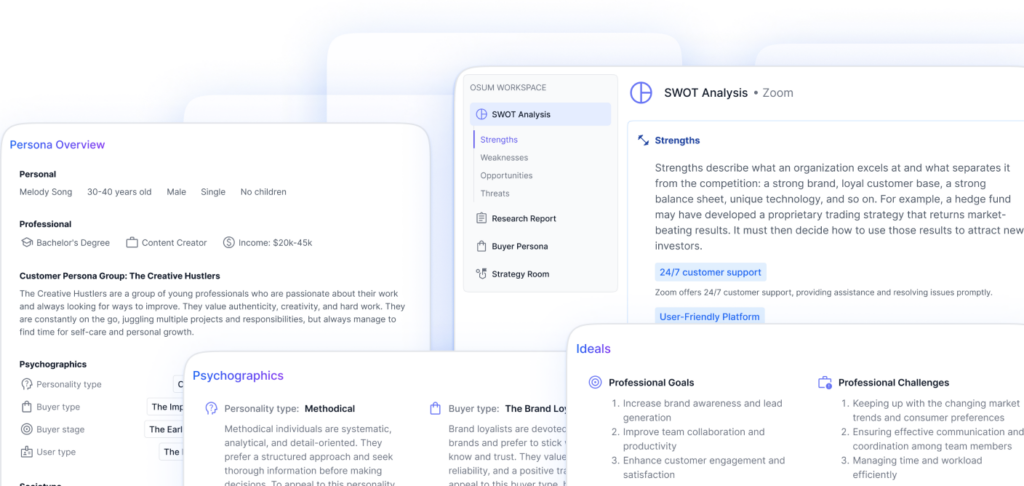

Archies: SWOT Analysis
Conducting a SWOT analysis allows us to gain insight into the strengths, weaknesses, opportunities, and threats facing Archies in the retail industry.
Strengths of Archies
Archies possesses several strengths that contribute to its success in the retail market. These strengths include:
- Strong brand recognition and reputation in the industry.
- Wide range of product offerings, catering to diverse customer preferences.
- Established distribution network and presence in multiple locations.
- Strong customer loyalty and repeat business.
- Effective marketing strategies, including online and offline channels.
- Well-trained and knowledgeable sales staff.
For a more detailed analysis of Archies’ strengths, refer to our article on Archies strengths.
Weaknesses of Archies
Despite its strengths, Archies also faces certain weaknesses that can hinder its performance. These weaknesses include:
- Reliance on seasonal sales, which can lead to fluctuations in revenue.
- Limited online presence compared to competitors.
- Inconsistent product quality control in some instances.
- Higher prices compared to some competitors.
- Limited customer engagement and interaction through social media platforms.
For a more detailed analysis of Archies’ weaknesses, refer to our article on Archies weaknesses.
Opportunities for Archies
Identifying and capitalizing on opportunities is crucial for Archies’ growth and success. Some opportunities for Archies include:
- Market expansion into the lucrative segment of customized mugs, as they are highly profitable and relatively simple to produce (Quizlet).
- Utilizing existing equipment to quickly enter the market for customized mugs and increase revenues (Quizlet).
- Leveraging its strong brand and customer loyalty to expand into new markets and reach a wider audience.
- Enhancing its online presence and e-commerce capabilities to tap into the growing trend of online shopping.
- Collaborating with local artists and designers to offer unique and exclusive products.
For a more detailed analysis of Archies’ opportunities, refer to our article on Archies opportunities.
Threats to Archies
Archies faces certain threats that can impact its market position and profitability. These threats include:
- Intense competition from both brick-and-mortar retailers and online marketplaces.
- Changing customer preferences and trends in the retail industry.
- Economic fluctuations and consumer spending patterns.
- Counterfeit products and intellectual property infringements.
- Increased costs of raw materials and production.
For a more detailed analysis of the threats facing Archies, refer to our article on Archies threats.
By examining Archies’ strengths, weaknesses, opportunities, and threats, the company can develop strategies to capitalize on its strengths, address its weaknesses, seize opportunities, and mitigate potential threats. This analysis serves as a valuable tool in guiding Archies’ decision-making and strategic planning processes.
Exploring Archies’ Opportunities
As part of the SWOT analysis for Archies, it is important to identify and explore the various opportunities available to the company. One potential opportunity for Archies is to expand its market presence into the realm of customized mugs. This market segment offers several benefits and has the potential to drive significant revenue growth for the company.
Market Expansion into Customized Mugs
Archies has expressed interest in entering the lucrative market of customized mugs (Quizlet). This market segment presents an opportunity for Archies to tap into a highly profitable product line that is relatively simple to produce. With the necessary equipment already in place, Archies is well-positioned to quickly enter and establish a presence in the customized mugs market (Quizlet).
Benefits of Customized Mugs for Archies
By venturing into the market of customized mugs, Archies can reap numerous benefits. First and foremost, customized mugs are known to be highly profitable. The demand for personalized products has been on the rise, and customized mugs provide an excellent opportunity for Archies to capitalize on this trend. Additionally, producing customized mugs aligns well with Archies’ existing resources and expertise, enabling the company to leverage its strengths and enhance its competitive position in the market.
Customized mugs also offer Archies the chance to diversify its product portfolio. By expanding into this new market segment, Archies can attract a broader customer base and cater to the preferences of individuals seeking personalized gifts or unique items for themselves. This diversification can help Archies create additional revenue streams and reduce its reliance on any single product category.
Potential Revenue Growth
Entering the market for customized mugs has the potential to drive significant revenue growth for Archies. The market for customized products, including mugs, has shown consistent growth and a strong customer demand. By offering personalized mugs, Archies can tap into this demand and generate additional sales.
Moreover, the relatively low production costs associated with customized mugs, combined with Archies’ existing equipment, positions the company for cost-effective operations and increased profit margins. This potential for higher profitability can contribute to overall revenue growth and strengthen Archies’ financial position.
By exploring new opportunities in the market for customized mugs, Archies can not only expand its product offerings but also boost its revenue potential. With the ability to leverage existing resources and expertise, Archies can enter this profitable market segment and enhance its competitive advantage in the retail industry.
Archies: A Co-working CRM Software
In addition to its retail operations, Archies also offers a comprehensive co-working CRM software designed specifically for the unique needs of coworking spaces. This software provides a range of features and benefits that enable coworking spaces to optimize their sales processes, improve member engagement, and drive revenue growth.
Features of Archies’ Co-working CRM
Archies’ co-working CRM software offers a variety of features that cater to the specific requirements of coworking spaces. These features include:
-
Contact and Lead Management: The software allows coworking spaces to efficiently manage their contacts and leads. It provides a centralized database where workspace managers can store and organize vital information about potential and existing members.
-
Automated Sales Processes: Archies’ software enables coworking spaces to streamline their sales processes by automating various tasks and workflows. This includes automated lead generation through website forms, email engagement, and task assignment for team members.
-
Integration with Other Tools: The co-working CRM software integrates seamlessly with other popular tools such as Slack, Microsoft 365, and Google Workspace. This integration allows for efficient collaboration and enables coworking spaces to leverage the power of multiple platforms in one centralized system.
-
Analytics and Reporting: Archies’ CRM software provides detailed analytics and reporting capabilities. Workspace managers can track sales performance, user activity, and other key metrics to gain valuable insights and make data-driven decisions for their coworking spaces.
Benefits for Coworking Spaces
Implementing Archies’ co-working CRM software offers several benefits for coworking spaces. These include:
-
Optimized Sales Processes: By leveraging the software’s features, coworking spaces can optimize their sales processes and improve overall efficiency. The automation of tasks, customizable sales pipelines, and lead management capabilities enable workspace managers to effectively track and convert leads into memberships.
-
Improved Member Engagement: The software facilitates enhanced member engagement by automating email campaigns, setting reminders for follow-ups, and providing customized workflows. These features help coworking spaces stay connected with their members, ensuring a positive experience and fostering member satisfaction.
-
Data-Driven Decision Making: Archies’ CRM software provides valuable analytics and reporting functionalities. Workspace managers can access real-time data on sales performance, member activity, and other important metrics. This data empowers them to make informed decisions, identify areas for improvement, and implement strategies to drive growth.
Optimizing Sales Processes with Archies
With Archies’ co-working CRM software, coworking spaces can optimize their sales processes to drive revenue growth. The software’s features, such as automated lead generation, customizable workflows, and integration with other tools, enable workspace managers to streamline their operations and focus on converting leads into memberships.
Moreover, the analytics and reporting capabilities of Archies’ CRM software allow workspace managers to track the effectiveness of their sales efforts, identify trends, and make data-driven decisions. By leveraging these insights, coworking spaces can refine their sales strategies, improve member engagement, and ultimately increase their revenue.
By adopting Archies’ co-working CRM software, coworking spaces can unlock the potential for efficient sales management, enhanced member experiences, and sustained growth.
Archies Cares: Reinventing Archie Messersmith-Bunting
Archie Messersmith-Bunting, the founder of Archies, has had a transformative journey that led him to establish “Archie Cares,” a speaking and consulting business centered around reframing perceptions around addiction and mental illness. Before venturing into this new chapter, Archie had a diverse background that included teaching at a high school, performing in New York City, and working in event planning, project management, and higher education roles, including the Vice President of Health & Safety at the North American Interfraternity Conference (Medium – Authority Magazine).
Archie Messersmith-Bunting’s Journey
Archie Messersmith-Bunting’s reinvention began with his desire to share his story and facilitate honest conversations through authentic storytelling. Drawing from his background in education and the performing arts, Archie developed the skills and passion necessary to effectively communicate challenging topics. With humor, bluntness, and transparency as his superpowers, Archie believes in the power of humor for survival, the importance of being blunt to foster trust, and the value of transparency to establish genuine connections and create learning opportunities (Medium – Authority Magazine).
The pivotal moment in Archie’s journey came when he realized that sharing his survival story openly and forgiving himself could help others. Overcoming initial fears, he embraced the positive impact his story could have on others, propelling him forward in his mission to make a difference (Medium – Authority Magazine).
The Power of Authentic Storytelling
Authentic storytelling lies at the heart of Archie Cares. By sharing his own experiences, challenges, and triumphs, Archie aims to break down stigmas surrounding addiction and mental illness. His ability to communicate these topics with humor, bluntness, and transparency allows for genuine connections with his audiences. Through this approach, Archie encourages individuals to embrace vulnerability and engage in open conversations, fostering understanding and empathy.
Impact of Archie Cares
Archie Messersmith-Bunting’s reinvention through Archie Cares has had a profound impact on individuals and communities. By reframing perceptions around addiction and mental illness, Archie has created a space for dialogue and education. Through his speaking engagements and consulting work, he has empowered others to share their own stories, leading to greater awareness and understanding of these important topics.
Archie Cares serves as an inspiration, reminding us of the transformative power of storytelling and the impact that one person can have on the lives of many. Archie’s journey reinforces the importance of embracing personal growth, reinvention, and the pursuit of meaningful endeavors.
By sharing his authentic story and facilitating conversations, Archie Messersmith-Bunting and Archie Cares have become catalysts for change, promoting empathy, understanding, and compassion in our society.
The Evolution of Working-Class Sitcoms
Working-class sitcoms have played a significant role in television history, reflecting the societal changes and shifting dynamics of class representation. Exploring the historical context, groundbreaking sitcoms, and the evolving focus on class politics provides valuable insights into the evolution of this genre.
Historical Context of Working-Class Sitcoms
In the 1970s, American sitcoms experienced a notable shift in their portrayal of working-class families. This shift was influenced by economic changes and social movements such as civil rights and women’s liberation. The decade was marked by economic instability, sluggish growth, record inflation, high oil prices, deindustrialization, and foreign competition, which led to a decline in the standard of living for many white Americans (Smithsonian Magazine).
Groundbreaking Sitcoms and Representation
One of the groundbreaking sitcoms that emerged during this period was “All in the Family,” which aired from 1971 to 1979. Inspired by the British sitcom “Till Death Do Us Part,” “All in the Family” challenged the perception of white Americans as a homogeneously middle-class demographic. The show depicted the generation gap between a reactionary patriarch, Archie Bunker, and his more liberal offspring. It introduced topical and controversial themes like race relations, homosexuality, and feminism to television comedy, reaching a wide audience and sparking conversations about class and social issues (Smithsonian Magazine).
Another groundbreaking sitcom that revolutionized the representation of working-class families was “Roseanne.” Premiering in 1988, “Roseanne” focused on two working parents raising their children and portrayed the struggles of the working class through the character of Roseanne Conner. The show tackled topics such as blue-collar jobs, financial hardships, and gender norms, offering a realistic portrayal of the working class and challenging traditional family sitcom conventions. “Roseanne” resonated with audiences and became one of the most popular TV programs of its time (Smithsonian Magazine).
Shifting Focus and Class Politics
In the 1990s, working-class sitcoms continued to thrive, showcasing the average American family in more realistic and often dysfunctional ways. Sitcoms such as “Grace Under Fire,” “The Nanny,” “Married With Children,” “The Simpsons,” and “King of the Hill” explored the lives of working women and used humor to satirize normative blue-collar masculinity. This period marked the heyday of working-class sitcoms, providing a platform to challenge traditional family dynamics and societal expectations (Smithsonian Magazine).
However, in recent years, the focus on class representation in sitcoms has diminished, giving way to identity politics. Television comedy has expanded its concept of “family” to include diverse narratives and representations. While this shift allows historically underrepresented groups to share their stories, it has led to a decreased exploration of class politics. Nevertheless, amidst growing income inequality and labor strikes, there is a resurgence in the conversation around class representation in sitcoms. This resurgence suggests a potential return to exploring the complexities of class politics within the genre, acknowledging the ongoing relevance of this topic.
By understanding the historical context, groundbreaking sitcoms, and the shifting focus on class politics, we can recognize the impact of working-class sitcoms on television and society. These shows have not only entertained audiences but also challenged stereotypes, sparked conversations, and provided a platform for underrepresented voices.
The Resurgence of Class Representation
In the realm of sitcoms, the representation of class has undergone various shifts over the years. While the focus on class has diminished in favor of identity politics in recent times, there is a resurgence in the conversation around class representation. This resurgence reflects the growing recognition of the complexities surrounding class politics in society.
Current Landscape of Sitcoms
Television comedy has evolved significantly, with sitcoms exploring a wider range of narratives and expanding the concept of “family” to include non-traditional structures. However, the focus on class has taken a backseat in recent years, giving way to narratives centered around identity politics. This shift can be attributed to the increasing opportunities for historically underrepresented groups to share their stories and the demand for more inclusive representation in the industry.
Identity Politics vs. Class Politics
The shift towards identity politics in sitcoms has been driven by the need for diverse representation and the exploration of marginalized experiences. This has resulted in sitcoms that tackle issues related to race, gender, sexuality, and other aspects of identity. While this focus on identity is important and has led to groundbreaking shows, it has somewhat overshadowed the exploration of class dynamics and the experiences of working-class individuals.
The Return to Class Representation
Despite the shift towards identity politics, there is a growing recognition of the need to address class representation in sitcoms. This resurgence is driven by the increasing income inequality and labor issues prevalent in society today. As economic disparities continue to widen, there is a renewed interest in exploring the challenges faced by working-class individuals and families.
By delving into the complexities of class politics, sitcoms have the potential to shed light on the struggles, aspirations, and triumphs of working-class characters. This can provide a more comprehensive and nuanced portrayal of society, highlighting the diverse experiences and perspectives within different social classes.
As the landscape of sitcoms continues to evolve, it is essential to strike a balance between identity politics and class politics. By incorporating both perspectives, sitcoms can create narratives that resonate with a broader range of audiences and contribute to a more inclusive and representative portrayal of society.
The resurgence of class representation in sitcoms suggests a promising future for the exploration of class dynamics in the genre. As the industry continues to evolve, it is important to recognize and prioritize the stories and experiences of working-class individuals, offering a more comprehensive and authentic reflection of society as a whole.