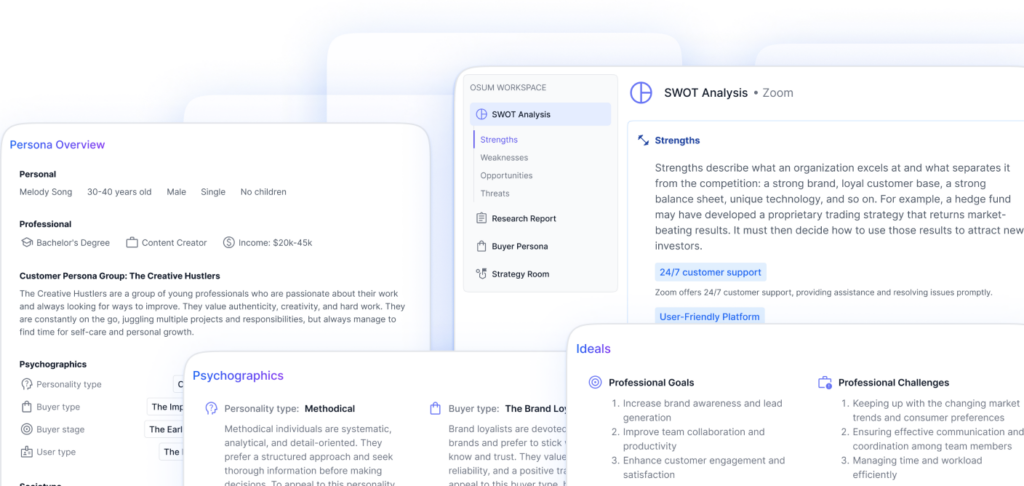

SWOT Analysis in Housing Development
When it comes to housing development, conducting a SWOT analysis can provide valuable insights into the project’s strengths, weaknesses, opportunities, and threats. By evaluating these factors, developers can make informed decisions and develop effective strategies to maximize the project’s potential. In this section, we will explore what a SWOT analysis entails and the benefits it offers in housing development.
What is a SWOT Analysis?
A SWOT analysis is a strategic planning tool used to assess the internal and external factors that can impact the success of a project. It involves identifying the project’s strengths, weaknesses, opportunities, and threats. The analysis provides a comprehensive overview of the project’s current state and helps in understanding the competitive landscape and market conditions.
In the context of housing development, a SWOT analysis helps evaluate factors such as location, market demand, financing options, competition, and regulatory environment. By understanding these factors, developers can make informed decisions and develop strategies to address potential challenges and capitalize on opportunities.
Benefits of SWOT Analysis in Housing Development
A SWOT analysis offers several benefits when applied to housing development projects. Some of the key advantages include:
-
Identifying Strengths and Weaknesses: By assessing the project’s strengths, such as a desirable location or innovative design, developers can leverage these advantages to differentiate their development from competitors. Similarly, identifying weaknesses, such as a lack of funding or inexperience, allows developers to proactively address these issues and find appropriate solutions.
-
Identifying Opportunities: A SWOT analysis helps identify opportunities that can drive the success of a housing development project. These opportunities may include growing demand for affordable housing, technological advancements, changes in zoning laws, or emerging housing trends. By recognizing these opportunities, developers can tailor their strategies to capitalize on them and gain a competitive edge.
-
Assessing Threats: Understanding the threats faced by a housing development project is crucial for risk mitigation. Threats can arise from economic factors, regulatory changes, or community opposition, among others. By identifying and evaluating these threats, developers can develop contingency plans to minimize their impact or find alternative approaches to ensure project success.
-
Informing Decision-Making: A SWOT analysis provides comprehensive insights and data that inform decision-making throughout the housing development process. It helps developers make informed choices about project location, design, financing options, marketing strategies, and risk management. By basing decisions on a thorough analysis of the project’s internal and external factors, developers can improve the chances of success.
In summary, a SWOT analysis serves as a valuable tool in housing development, enabling developers to assess the project’s strengths, weaknesses, opportunities, and threats. By leveraging the insights gained from the analysis, developers can make informed decisions, develop effective strategies, and increase the likelihood of a successful housing development project.
Strengths in Housing Development
When conducting a SWOT analysis for housing development, it is essential to identify the strengths that contribute to the success of a project. In this section, we will explore two key strengths: desirable location and innovative design.
Desirable Location
The location of a housing development plays a significant role in its success and potential for long-term value appreciation. Proximity to amenities such as schools, shopping centers, entertainment, and public transportation can greatly influence the desirability of a property. Homes in desirable locations experience lower vacancy rates and tend to be stable long-term investments.
Developing properties in a desirable area or neighborhood can add significant value. As the community grows over time, there is a rise in property values and overall desirability in the area. This can lead to greater returns over time through price appreciation. Additionally, building multiple properties in a housing development project can provide economies of scale, allowing developers to order materials in bulk, spread expenses across sites, and achieve greater returns on each home. Appreciation from a growing community and nearby developments can further enhance the return on investment (RCN Capital).
Innovative Design
Innovative design is another strength that sets housing developments apart. Incorporating unique and thoughtful design elements can attract potential buyers or renters, creating a competitive advantage in the market. Innovative designs can range from sustainable features to smart home technology, creating modern and appealing living spaces.
Developers who prioritize innovative design can address the evolving needs and preferences of residents. This can include energy-efficient appliances, green building materials, and efficient floor plans that maximize space utilization. By staying up-to-date with housing development trends and incorporating innovative design elements, developers can cater to the demands of the market and attract a wider range of potential buyers or renters.
By leveraging a desirable location and embracing innovative design, housing developers can capitalize on their strengths to create successful projects. However, it is important to consider and address any weaknesses, opportunities, and threats identified in the SWOT analysis to ensure a comprehensive understanding of the housing development landscape.
Weaknesses in Housing Development
When conducting a SWOT analysis for housing development, it’s essential to identify the weaknesses that may pose challenges to the success of a project. In this section, we will explore two common weaknesses in housing development: lack of funding and inexperience.
Lack of Funding
Securing adequate funding is a significant challenge in housing development, particularly for affordable housing projects. The high costs of construction, limited funding sources, and complexities of tax credit programs make it difficult to obtain the necessary financial resources (Ramaker).
Developers often face difficulties in obtaining loans or attracting investors due to the perceived risks associated with housing development projects. The lack of available funding can lead to delays, compromise the quality of construction, or even halt the project altogether.
To mitigate this weakness, developers must explore various financing options, such as public-private partnerships, government grants, or tax incentives. Collaborating with financial institutions experienced in housing development can also provide valuable expertise and support in securing funding.
Inexperience
Inexperience is another weakness that can hinder the success of a housing development project. For developers new to the industry or those venturing into unfamiliar markets, navigating the complex landscape of regulations, approvals, and construction processes can be challenging (Ramaker).
Lack of experience may lead to delays, cost overruns, and potential errors in project management. Inadequate knowledge of local building codes and regulations can result in non-compliance issues, further impeding progress.
To address this weakness, developers should seek partnerships or collaborations with experienced professionals in the field. Working with architects, contractors, and consultants who have a proven track record in housing development can provide valuable guidance and help mitigate risks associated with inexperience.
By acknowledging and addressing these weaknesses, developers can implement strategies and seek appropriate support to overcome the challenges they may encounter during the housing development process. It is crucial to conduct thorough research, seek expert advice, and develop a comprehensive plan to mitigate these weaknesses and maximize the potential for successful housing development projects.
Opportunities in Housing Development
In the realm of housing development, there are a number of opportunities that can be leveraged to create successful and impactful projects. Two key opportunities in housing development include the growing demand for affordable housing and advancements in technology.
Growing Demand for Affordable Housing
One of the significant opportunities in housing development lies in meeting the growing demand for affordable housing. The need for affordable housing options has become more prominent, with many individuals and families struggling to find housing that fits within their budget. Meeting this demand not only addresses a pressing social issue but also presents a viable market for developers.
To tap into this opportunity, developers can focus on designing and constructing affordable housing units that cater to different income levels. By providing housing options that are accessible to a wider range of individuals and families, developers can contribute to inclusive communities and foster social and economic stability.
It is important to note that affordable housing development comes with its own challenges. Factors such as land costs and zoning restrictions can impact the feasibility of projects. Additionally, developers may face community opposition due to concerns about property values, density, and neighborhood character (Ramaker). However, by addressing these challenges and working closely with stakeholders and community members, developers can seize the opportunity to create much-needed affordable housing options.
Technological Advancements
Technological advancements present another opportunity in housing development. The integration of technology can enhance various aspects of the development process, leading to more efficient operations, improved energy efficiency, and enhanced living experiences for residents.
Incorporating smart home technologies, such as automated lighting, temperature control, and security systems, can provide residents with convenience and control over their living spaces. Additionally, energy-efficient systems and sustainable building practices can help reduce operational costs and minimize the environmental impact of housing developments.
Developers can also leverage technology to streamline the construction process, improve project management, and enhance communication among stakeholders. Construction technologies, such as building information modeling (BIM) and prefabrication, can improve efficiency, accuracy, and cost-effectiveness in the construction phase.
By staying up-to-date with technological advancements and embracing innovative solutions, developers can unlock new possibilities in housing development. However, it is essential to carefully assess the feasibility and viability of implementing new technologies to ensure they align with the project goals and meet the needs of future residents.
As the demand for affordable housing continues to rise and technology evolves, developers who seize these opportunities can play a vital role in shaping the future of housing and creating sustainable communities. By addressing the challenges and leveraging these opportunities, housing developers can contribute to meeting the housing needs of diverse populations and fostering vibrant and inclusive neighborhoods.
Threats in Housing Development
When conducting a SWOT analysis for housing development, it’s crucial to identify the potential threats that could impact the success of a project. Two significant threats in the housing development industry that developers need to consider are economic factors and regulatory changes.
Economic Factors
Economic factors play a crucial role in the housing development industry. Fluctuations in interest rates, inflation, and overall market stability can pose significant threats to real estate projects. Developers must carefully assess and adapt to changing economic conditions to ensure the success and profitability of their projects.
For example, rising interest rates can increase borrowing costs, making it more expensive for potential homebuyers to obtain mortgages. This can lead to a decrease in demand for housing, which may result in slower sales and longer project timelines. Conversely, a sudden drop in market stability can also impact the willingness of buyers to invest in the housing market, causing a decline in demand.
To mitigate the impact of economic threats, developers should closely monitor market trends and consult with financial experts. By staying informed about economic indicators and adjusting their strategies accordingly, developers can better navigate potential challenges and make informed decisions.
Regulatory Changes
Regulatory changes can pose significant threats in the housing development industry. Changes in zoning laws, building codes, or other regulations can impact the feasibility and profitability of projects. Developers must stay aware of any potential regulatory changes that may affect their plans and adjust their strategies accordingly.
For example, a sudden change in zoning laws may restrict the type or density of housing that can be built in a particular area. This can limit the potential for development or require developers to modify their plans to comply with new regulations. Similarly, changes in building codes may require additional investments in construction materials, impacting the overall cost and timeline of a project.
To mitigate the risks associated with regulatory changes, developers should stay informed about local, regional, and national regulations pertaining to housing development. Engaging with local authorities and seeking legal counsel can help developers navigate potential challenges and ensure compliance with evolving regulations.
By recognizing and addressing economic factors and regulatory changes, developers can proactively mitigate threats in the housing development industry. This allows them to adapt their strategies, manage risks effectively, and maximize the potential for success in their projects.
Mitigating Risks in Housing Development
When it comes to housing development, mitigating risks is crucial for the success and sustainability of projects. Two key areas that developers should focus on are implementing policies for climate change resilience and employing strategies for success in real estate development.
Policies for Climate Change Resilience
Climate change poses significant risks to housing development projects. By 2050, the number of homes exposed to climate change risks is projected to reach 22 trillion, with a value of $17.7 trillion, affecting housing markets worldwide (Fortune). Coastal areas, in particular, face threats from flooding, wildfires, hurricanes, and other climate-related risks (Fortune).
To mitigate these risks, policymakers and housing developers should consider implementing various policies. Mandatory property level risk disclosure can ensure that potential buyers and investors are aware of the climate-related risks associated with a property. Prudent land use planning is essential to avoid constructing homes in high-risk areas. Enhanced building codes can ensure that new constructions are designed to withstand climate-related challenges. Additionally, insurance incentives can encourage homeowners to adopt measures that enhance the resilience of their properties (Fortune).
By incorporating these policies, housing developers can minimize the potential impacts of climate change on their projects and enhance the long-term sustainability of their developments.
Strategies for Success in Real Estate Development
Real estate development is a complex and competitive field, requiring strategic planning and execution. Implementing effective strategies can help developers navigate challenges and maximize the potential for success.
One of the strengths identified in the SWOT analysis of housing development is the ability to create wealth through property appreciation, rental income, and various tax benefits. Developers can capitalize on these financial advantages to enhance their returns on investment.
However, it is crucial to address weaknesses identified in the SWOT analysis, such as the lack of funding and inexperience. Developers should explore various financing options, including partnerships, loans, and investment opportunities, to secure the necessary funding for their projects. Additionally, seeking guidance from experienced professionals and building a knowledgeable team can help mitigate the risks associated with inexperience.
To seize opportunities in the housing development market, developers should keep an eye on trends and changing market dynamics. For instance, there is a growing demand for affordable housing, presenting an opportunity to cater to this market segment. Furthermore, technological advancements offer innovative solutions in construction, energy efficiency, and smart home technologies, which can enhance the attractiveness and competitiveness of housing developments.
Developers should also remain vigilant about potential threats in the market. Economic factors, such as recessions or fluctuations in interest rates, can impact the demand for housing and the financial viability of projects. Regulatory changes, including zoning regulations or environmental policies, can also present challenges to housing development.
By implementing effective strategies, developers can leverage their strengths, seize opportunities, and mitigate weaknesses and threats. A strategic approach is crucial for navigating the complex landscape of real estate development and increasing the chances of success in housing development projects. For more insights on the impact of supply and demand in the housing market, as well as climate change risks, refer to our sections on housing development trends and climate change risks in housing development.
Challenges in Affordable Housing Development
Developing affordable housing comes with its own set of challenges that can impact the feasibility and success of projects. Two key challenges often faced in affordable housing development are land costs and zoning restrictions, as well as community opposition.
Land Costs and Zoning Restrictions
One significant challenge in affordable housing development is the cost of land. Limited availability of land zoned for residential use can hinder the development of affordable housing projects, leading to increased costs and limiting the number of potential projects. The high cost of land can make it financially challenging for developers to create affordable housing options that meet the needs of low-income individuals and families.
Additionally, zoning restrictions can further complicate affordable housing development. Zoning regulations often dictate the type of housing that can be built in a specific area. Restrictions on density, building heights, and unit sizes can impact the feasibility and affordability of housing projects. Developers must navigate these regulations to ensure compliance and create affordable housing options that meet the needs of the community while adhering to zoning requirements.
Community Opposition
Affordable housing projects are sometimes met with resistance from the community. Concerns about property values, neighborhood character, and potential strain on existing infrastructure can lead to opposition from residents. Community members may express concerns about increased density, changes in the neighborhood’s visual appeal, or perceived negative impacts on local schools and services.
Addressing community opposition requires effective communication and engagement with local stakeholders. Developers must proactively engage with community members, address concerns, and emphasize the benefits of affordable housing for the community as a whole. Transparency and collaboration can help mitigate opposition and foster support for affordable housing initiatives.
Overcoming these challenges in affordable housing development requires careful planning, collaboration with local stakeholders, and innovative strategies. Developers and policymakers must work together to find solutions that balance the needs of the community, adhere to zoning regulations, and create affordable housing options that are financially viable and sustainable.
To learn more about affordable housing development opportunities, trends, and strategies, visit our articles on housing development trends and sustainable housing development strategies. Conducting a comprehensive housing development feasibility study can also provide valuable insights into the potential challenges and opportunities of affordable housing projects.
Conducting a SWOT Analysis for Housing Development
When embarking on a housing development project, conducting a thorough SWOT analysis is crucial for evaluating the project’s feasibility and identifying potential risks and opportunities. A SWOT analysis involves assessing the project’s strengths, weaknesses, opportunities, and threats. By carefully considering these factors, developers can make informed decisions and develop effective strategies to maximize project success.
Factors to Consider
Conducting a comprehensive SWOT analysis for housing development involves considering a range of internal and external factors that can impact the project. Here are some key factors to consider:
- Strengths: In a housing development SWOT analysis, strengths refer to internal factors that give the project a competitive advantage. Some strengths to consider include:
- Desirable Location: A prime location with access to amenities, transportation, and desirable neighborhoods can attract potential buyers or tenants.
- Innovative Design: Unique and innovative architectural designs can set the project apart from the competition and appeal to the target market.
- Weaknesses: Weaknesses are internal factors that may hinder the success of the housing development project. Some common weaknesses to assess include:
- Lack of Funding: Insufficient financing or limited access to capital can impact the project’s ability to proceed or meet budget requirements.
- Inexperience: A development team with limited experience in housing development may face challenges in managing the project effectively.
- Opportunities: Opportunities are external factors that can be leveraged to enhance the project’s viability and profitability. Consider the following opportunities:
- Growing Demand for Affordable Housing: A rising demand for affordable housing presents an opportunity to cater to an underserved market segment.
- Technological Advancements: Embracing technological advancements, such as smart home features or sustainable building practices, can attract environmentally conscious buyers.
- Threats: Threats are external factors that could pose risks or challenges to the housing development project. Identify potential threats such as:
- Economic Factors: Economic downturns or fluctuations in the real estate market can impact demand, pricing, and financing options.
- Regulatory Changes: Changes in zoning regulations, building codes, or environmental regulations may require adjustments to the project plans and add complexity.
Assessing Feasibility and Viability
The purpose of a SWOT analysis in housing development is to assess the feasibility and viability of the project. By analyzing the internal and external factors, developers can gain insights into the project’s strengths, weaknesses, opportunities, and threats.
To conduct a SWOT analysis effectively, developers should gather data, consult industry experts, and consider market trends and projections. This analysis can provide valuable information for decision-making, risk mitigation, and the development of strategies to capitalize on opportunities.
By understanding the project’s strengths and weaknesses, developers can identify areas that need improvement and allocate resources accordingly. Additionally, recognizing opportunities and threats allows developers to proactively address challenges and adapt to changing market conditions.
Remember, conducting a SWOT analysis is an ongoing process that should be revisited periodically throughout the housing development project’s lifecycle. Regularly reassessing the analysis helps developers stay informed, adapt to market dynamics, and make informed decisions to maximize project success.
For more insights on housing development trends and strategies, explore our articles on sustainable housing development strategies and affordable housing development opportunities.
The Impact of Supply and Demand in the Housing Market
Understanding the dynamics of supply and demand is crucial when analyzing the housing market. Various factors, including climate change risks, housing market trends, and projections, play a significant role in shaping the industry. Let’s delve into these aspects in more detail.
Climate Change Risks in Housing Development
Climate change poses significant risks to housing development. By 2050, it is projected that around 22 trillion homes, with a value of $17.7 trillion, will be exposed to climate-related risks worldwide (Fortune). Coastal areas face the threat of flooding, while others are susceptible to wildfires, hurricanes, and other climate-related hazards (Fortune). These risks can significantly impact housing investments and affect market stability.
To mitigate climate change risks in housing development, implementing policies is essential. Measures such as mandatory property-level risk disclosure, prudent land use planning, enhanced building codes, and insurance incentives can help enhance the resilience of housing developments. By adopting proactive strategies, developers can adapt to changing environmental conditions and protect both their investments and the future occupants of these properties.
Housing Market Trends and Projections
The housing market experiences cyclical fluctuations influenced by various factors, including supply and demand. Over the years, the market has faced challenges, such as the oversupply of homes during the 2007 subprime mortgage crisis, which led to a surplus of houses on the market (Vanguard). On the other hand, a lack of homeowners willing to sell due to rising mortgage rates has contributed to a tight supply of homes.
Despite challenges, new construction starts have been increasing in recent years. However, limited available land, a shortage of workers, and higher prices for building materials have hindered the rapid rebuilding of supply in the housing market. This undersupply of homes is expected to impact the market, potentially preventing significant decreases in home prices. Consequently, the market may experience a maximum decline of around 5% year-over-year in prices, encouraging more housing starts.
The tight supply of homes is forecasted to keep home prices from dropping significantly, even with elevated mortgage rates. This scenario could lead to a positive contribution to GDP, potentially reversing negative trends in the housing market.
By closely monitoring housing market trends and projections, developers can make informed decisions and adapt their strategies to match the ever-changing dynamics of the market.
Understanding the impact of supply and demand, along with climate change risks and housing market trends, is essential for navigating the housing market successfully. By staying informed about these factors, developers can identify opportunities, mitigate risks, and make informed decisions to thrive in the industry.