
The Courier Service Industry: An Overview
The courier service industry has experienced significant growth in recent years, largely driven by the rise of e-commerce and the increasing demand for fast and reliable shipping options. This growth is expected to continue as online shopping becomes even more popular. The impact of e-commerce on courier services cannot be understated, as it has transformed the way goods are delivered to consumers.
Growth of the Courier Service Industry
The courier service industry has witnessed remarkable growth due to the surge in e-commerce activities. In 2020, the industry’s revenue reached a staggering $107.4 billion, a testament to the increasing demand for efficient delivery services. With more people shopping online, courier companies have had to adapt and expand their operations to meet the growing expectations of consumers.
Impact of E-commerce on Courier Services
E-commerce has had a profound impact on the courier service industry, shaping its evolution and driving the need for innovative solutions. The rise of online shopping has created a demand for fast and reliable delivery services. Customers now expect timely and efficient shipping options, with the ability to track their packages every step of the way.
To keep up with these changing demands, courier companies have embraced technology and introduced new services. Same-day delivery services have become increasingly popular, allowing customers to receive their orders within hours of purchase. This trend reflects the desire for instant gratification and convenience in today’s fast-paced world.
Another significant impact of e-commerce on courier services is the focus on last-mile delivery solutions. The last-mile, or the final leg of the delivery process, is often the most critical and challenging stage. Courier companies have invested in optimizing last-mile operations by utilizing advanced routing algorithms, crowdshipping, and local pickup points. These innovations aim to improve delivery efficiency and enhance the overall customer experience.
As the courier service industry continues to evolve, it is essential for companies to stay abreast of the latest trends and adapt to the changing landscape. Embracing technology, implementing sustainable practices, and meeting customer expectations will be key factors in the success of courier services in the future.
In the following sections, we will explore the SWOT analysis of the courier service industry, examine the latest trends, discuss the importance of customer expectations, delve into the role of technology, and explore the impact of courier services on e-commerce businesses.
SWOT Analysis of the Courier Service Industry
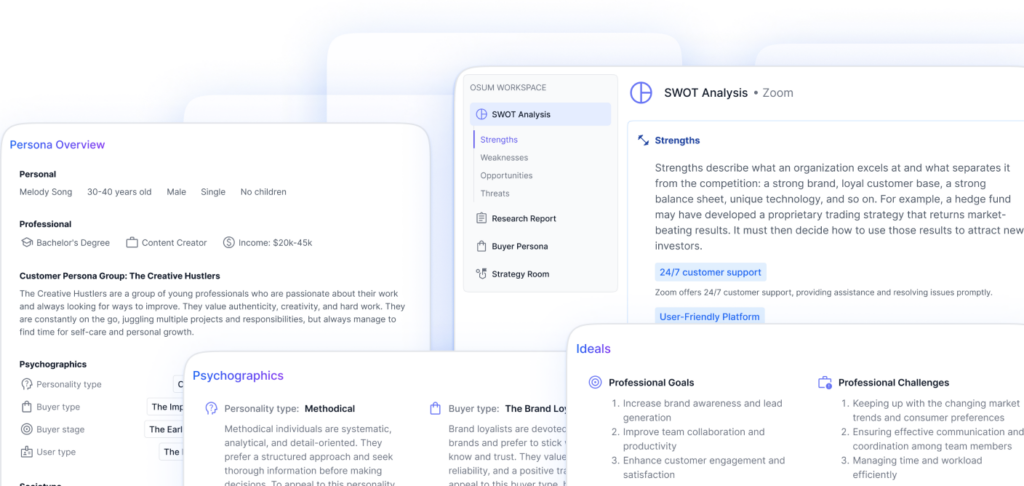
To gain a comprehensive understanding of the courier service industry, it is essential to conduct a SWOT analysis, considering its strengths, weaknesses, opportunities, and threats.
Strengths of the Courier Service Industry
The courier service industry boasts several strengths that contribute to its growth and success. These include:
-
Rapid Growth: The industry has experienced significant growth in recent years, driven by the rise of e-commerce and the increasing demand for fast and reliable delivery services. In 2020, the global revenue of the courier service industry reached $107.4 billion.
-
Global Reach: Courier companies have established extensive networks and partnerships, allowing them to offer worldwide delivery services. This global reach enables businesses to expand their customer base and cater to international markets.
-
Technological Advancements: The industry has embraced technological advancements, leveraging digital platforms, tracking technologies, and data analytics. These innovations have improved operational efficiency, enhanced customer experience, and enabled real-time visibility of shipments.
-
Last-Mile Expertise: Courier companies excel in providing efficient last-mile delivery solutions, ensuring that packages reach their final destinations promptly and reliably. Their expertise in navigating complex urban areas allows for seamless delivery experiences.
Weaknesses of the Courier Service Industry
While the courier service industry possesses strengths, it also faces certain weaknesses that require attention and improvement. These weaknesses include:
-
Environmental Impact: The industry contributes to environmental concerns, accounting for approximately 10% of global CO2 emissions (Zoom2u). Companies need to adopt sustainable practices, such as using electric vehicles and eco-friendly packaging materials, to minimize their carbon footprint.
-
Delivery Challenges: The industry encounters challenges in urban and rural areas, including traffic congestion, complex navigation, and limited access to remote locations. Overcoming these challenges to ensure efficient and timely deliveries is crucial.
-
Delivery Area Surcharges: Delivery area surcharges can be a drawback, particularly for customers in remote or less accessible areas. These surcharges may increase the cost of deliveries and affect the affordability and accessibility of courier services.
Opportunities in the Courier Service Industry
The courier service industry presents several opportunities for growth and innovation. These opportunities include:
-
E-commerce Expansion: The continued growth of e-commerce presents immense opportunities for courier companies. As online shopping becomes increasingly popular, courier services that can meet the demands of fast, reliable, and flexible deliveries will have a competitive edge.
-
Sustainable Practices: The industry has the opportunity to embrace sustainability and eco-friendly practices. Customers are showing a preference for green courier services, driving companies to adopt electric vehicles, green packaging materials, and carbon-neutral delivery options (The Courier Guy). Incorporating sustainable practices can attract environmentally conscious consumers and align with global efforts to reduce carbon emissions.
-
Technological Advancements: Further advancements in technology, such as the integration of autonomous vehicles and drones, offer opportunities to enhance delivery efficiency and reduce costs. Embracing these technological advancements can lead to improved operational processes and increased customer satisfaction.
Threats to the Courier Service Industry
Despite the opportunities, the courier service industry also faces certain threats that could impact its operations and growth. These threats include:
-
Competition: The industry is highly competitive, with numerous courier companies vying for market share. Competitors offering similar services and innovative delivery solutions can pose a threat to existing businesses.
-
Regulatory Challenges: Changing regulations and compliance requirements in different regions can create challenges for courier companies, particularly when operating internationally. Adapting to evolving regulations while maintaining efficient operations can be a concern.
-
Disruptive Technologies: The emergence of disruptive technologies and new delivery models, such as peer-to-peer delivery platforms, could potentially disrupt traditional courier services. Staying ahead of these technological advancements and adapting to changing customer preferences is crucial for long-term success.
By analyzing the strengths, weaknesses, opportunities, and threats within the courier service industry, businesses can develop strategies to capitalize on strengths, mitigate weaknesses, seize opportunities, and navigate potential threats. This analysis serves as a valuable tool for understanding the industry landscape and making informed decisions that drive growth and success.
Trends in the Courier Service Industry
The courier service industry is an ever-evolving sector, driven by changing customer expectations and advancements in technology. In order to stay competitive and meet the demands of the market, courier services need to adapt to the latest industry trends. Let’s explore some of the key trends shaping the courier service industry today.
Rise of Same-Day Delivery Services
With the increasing demand for instant gratification, same-day delivery services have gained significant popularity. Customers now expect faster and more efficient shipping options, pushing courier services to offer expedited delivery options. The rise of e-commerce and the need for quick order fulfillment have contributed to this trend, with companies striving to deliver packages within the same day they are ordered. This trend not only enhances customer satisfaction but also enables businesses to gain a competitive advantage in the market.
Technological Advancements in Courier Services
Technological advancements have revolutionized the courier service industry, enabling companies to streamline operations and improve efficiency. The integration of automation, drones, and autonomous vehicles has enhanced the speed and accuracy of deliveries. Advanced tracking capabilities allow customers to monitor package location and delivery status in real-time, providing greater transparency and peace of mind. Additionally, digital transformation has facilitated the integration of various platforms, enabling seamless communication and collaboration between couriers, customers, and businesses.
Focus on Sustainability and Eco-Friendly Practices
Environmental sustainability has become a major concern for businesses and consumers alike. In response, courier services are increasingly focusing on implementing eco-friendly practices and reducing their carbon footprint. This includes adopting greener logistics solutions, optimizing delivery routes to minimize fuel consumption, and exploring alternative energy sources. By prioritizing sustainability, courier services not only contribute to environmental conservation but also appeal to eco-conscious customers who prefer companies that align with their values.
Last-Mile Delivery Solutions
The last mile of the delivery process, from the distribution center to the customer’s doorstep, is often the most challenging and crucial phase. Courier services are investing in innovative last-mile delivery solutions to optimize this final leg of the journey. This includes utilizing smart lockers, partnering with local pickup locations, and leveraging crowdsourced delivery networks. By enhancing last-mile operations, courier services can improve delivery speed, reduce costs, and enhance customer satisfaction.
By staying abreast of these trends and incorporating them into their operations, courier services can remain competitive and deliver exceptional service to their customers. The evolving landscape of the courier service industry presents both challenges and opportunities, and companies that adapt and embrace these trends will be well-positioned for success.
The Importance of Customer Expectations in Courier Services
In the fast-paced world of courier services, meeting and exceeding customer expectations is crucial for success. As delivery expectations continue to evolve, courier service providers need to adapt and stay ahead of the game. In this section, we will explore the evolving delivery expectations, the importance of fast shipping as a competitive advantage, and the preference for home deliveries.
Evolving Delivery Expectations
Over the years, consumer delivery expectations have undergone significant changes. Gone are the days when customers were willing to wait up to 10 days for their orders. Nowadays, customers expect quicker turnaround times and faster deliveries. According to Eurosender, the trend has progressed from 3-4 day delivery expectations to customers increasingly expecting 1-day, same-day, or even deliveries within a few hours.
To keep up with these evolving delivery expectations, courier service providers must strive to provide faster and more efficient delivery services. Offering expedited shipping options and optimizing delivery routes can help meet the demand for quicker shipments.
Fast Shipping as a Competitive Advantage
Fast shipping has become more than just a preference; it is now an expectation among consumers, regardless of their location. In a market that emphasizes consumer convenience, companies must understand and meet their customers’ expectations for shipping speed to differentiate themselves from competitors. According to Eurosender, companies that want to succeed should aim to provide 2-day delivery by 2024.
To achieve fast shipping as a competitive advantage, courier service providers can invest in additional resources to speed up deliveries. They can also leverage technology-powered solutions that automate the delivery process, such as order allocation and route optimization. By streamlining operations, companies can improve efficiency and meet their customers’ need for timely deliveries.
Preference for Home Deliveries
Another aspect of customer expectations in courier services is the preference for home deliveries. Customers appreciate the convenience of receiving their packages directly at their doorstep. This preference has become particularly prevalent in recent times, as more people opt for online shopping.
To cater to this preference, courier service providers should focus on ensuring seamless and reliable home deliveries. Providing real-time updates and tracking information allows customers to have complete control over the delivery process. By implementing advanced last-mile delivery management solutions, logistics service providers can offer a superior customer experience, keeping customers informed about their orders every step of the way.
Understanding and meeting customer expectations is essential for courier service providers to thrive in a competitive market. By staying abreast of evolving delivery expectations, offering fast shipping options, and prioritizing home deliveries, courier service providers can deliver exceptional customer experiences and build long-lasting relationships with their customers.
The Role of Technology in the Courier Service Industry
In today’s fast-paced world, technology plays a vital role in the courier service industry. It has revolutionized the way companies operate, enabling them to provide efficient and customer-centric services. In this section, we will explore the digital transformation in courier services, the impact of technology on courier operations, and the importance of advanced tracking and customer experience.
Digital Transformation in Courier Services
The courier service industry has undergone a significant digital transformation. Companies are increasingly utilizing digital platforms for various aspects of their operations, including order management, dispatching, and communication. This shift towards technology-driven solutions has resulted in improved efficiency and customer satisfaction within the industry (The Courier Guy).
Digital platforms enable seamless integration between customers, couriers, and businesses. Online portals and mobile applications allow customers to easily place orders, track their shipments in real-time, and communicate with the courier company. These platforms also facilitate automated processes, such as label generation, route optimization, and electronic proof of delivery.
The Impact of Technology on Courier Operations
Technology has had a profound impact on various aspects of courier operations. Companies are leveraging data analytics and artificial intelligence to optimize delivery routes, enhance parcel security, and provide real-time updates to customers. These technological advancements have led to cost reductions and operational improvements for courier companies.
One key area where technology has made a significant difference is in route optimization. Advanced algorithms analyze various factors such as traffic conditions, delivery addresses, and package sizes to determine the most efficient routes for couriers. This not only saves time but also reduces fuel consumption and lowers carbon emissions.
Additionally, technology has enabled courier companies to enhance the security of parcels. GPS tracking systems, barcode scanning, and tamper-evident packaging ensure that shipments are monitored and protected throughout the delivery process. Real-time updates and notifications keep customers informed about the status of their packages, increasing transparency and trust.
Advanced Tracking and Customer Experience
Advanced tracking systems have become a cornerstone of the courier service industry. Companies are investing in tracking technologies and data analytics to optimize their delivery processes, enhance efficiency, and provide customers with real-time visibility on the status of their shipments (Zoom2u).
Parcel tracking allows customers to monitor their shipments at every stage, from pickup to final delivery. They can access this information through online tracking portals or mobile applications. Real-time updates on package location, estimated delivery times, and any exceptions or delays provide customers with peace of mind and enable them to plan accordingly.
Furthermore, technology has empowered courier companies to enhance the overall customer experience. Features like real-time package tracking, payment integration with services like Apple Pay and Google Wallet, and delivery notifications have become standard. These advancements provide consumers with a seamless and convenient experience when ordering and receiving items (Advisory Excellence).
As technology continues to evolve, the courier service industry will undoubtedly witness further advancements. Courier companies will embrace emerging technologies such as artificial intelligence, robotics, and automation to further streamline operations and enhance customer experiences. By staying at the forefront of technological innovations, courier service providers can meet the evolving demands of customers and provide efficient and reliable delivery services.
Historical and Future Developments in the Courier Service Industry
Understanding the historical and future developments in the courier service industry provides valuable insights into its evolution and the trends that shape its future.
Evolution of the Courier Service Industry
The courier service industry has experienced significant growth in recent years, primarily driven by the rise of e-commerce and the increased demand for fast and reliable shipping options (GitHub). The industry has witnessed a transformation in response to changing consumer preferences and technological advancements.
In the 1980s and 1990s, the industry underwent consolidation through mergers and acquisitions, leading to increased competition and market consolidation. The growth of e-commerce played a pivotal role in shaping the courier service industry, as the demand for shipping services and efficient last-mile delivery solutions increased (Diva Portal).
Future Outlook and Trends
The future of the courier service industry looks promising, with several trends and developments set to shape its trajectory:
-
Technology-driven Solutions: Technology has revolutionized the courier service industry, and its influence is expected to grow. Digital transformation has become a key focus, enabling companies to streamline operations, enhance tracking capabilities, and improve customer experience (Advisory Excellence).
-
Contactless and Remote Services: The COVID-19 pandemic has accelerated the adoption of contactless delivery options and remote services within the courier industry. This shift is likely to continue as companies adapt to changing consumer expectations and prioritize health and safety measures (The Courier Guy).
-
Sustainability and Environmental Considerations: The courier service industry is under increasing pressure to adopt sustainable practices and reduce its carbon footprint. Companies are investing in eco-friendly initiatives, such as the adoption of electric vehicles and the implementation of tracking technologies and data analytics to optimize delivery processes (Zoom2u).
-
Last-Mile Delivery Optimization: The focus on last-mile delivery solutions continues to grow, with advancements in technology and logistics playing a crucial role. Companies are exploring innovative approaches, such as the integration of autonomous vehicles and drones, to enhance delivery efficiency and customer satisfaction.
-
Global Expansion Opportunities: The growth of e-commerce has opened up global expansion opportunities for courier service providers. With the increasing demand for cross-border shipping, companies are expanding their reach and developing strategic partnerships to cater to the evolving needs of businesses and customers (GitHub).
As the courier service industry continues to adapt and innovate, it is essential for companies to stay ahead of these trends, embrace technological advancements, and prioritize customer satisfaction. By doing so, they can position themselves for success in a dynamic and competitive marketplace.
The Impact of Courier Services on E-commerce Businesses
The role of courier services in the e-commerce industry cannot be overstated. They have a significant impact on the success of e-commerce businesses by enhancing delivery services, providing global expansion opportunities, offering flexibility and convenience, enabling order tracking and transparency, and streamlining returns and reverse logistics.
Enhancing Delivery Services for E-commerce
Courier services play a crucial role in ensuring prompt and dependable deliveries for e-commerce businesses. They help products reach customers safely and on time, ultimately leading to customer satisfaction and positive reviews (Acquisition International). By partnering with reliable courier services, e-commerce businesses can enhance their delivery capabilities and meet the expectations of their customers.
Global Expansion Opportunities
Through the assistance of courier services, e-commerce businesses have the opportunity to expand globally. By leveraging strong shipping systems and international delivery options, businesses can reach a wider customer base and grow in the international marketplace (Acquisition International). Couriers with extensive networks and expertise in international shipping can facilitate smooth cross-border transactions, helping e-commerce businesses tap into new markets and increase their global presence.
Flexibility and Convenience for Businesses and Customers
Courier services provide businesses and customers with flexibility and convenience. They offer a wide range of shipping choices, allowing businesses to align delivery plans with customer preferences and enhance customer satisfaction. Direct delivery to customers’ doorsteps saves time and increases convenience for shoppers, making the overall shopping experience more enjoyable and hassle-free (Acquisition International).
Order Tracking and Transparency
Order tracking and transparency provided by courier services in the e-commerce sector have become an essential aspect of the customer experience. By monitoring package movement in real-time and sharing tracking information with customers, courier services enhance trust and confidence among customers. This transparency improves the overall shopping experience and allows customers to stay informed about the status of their orders (Acquisition International).
Streamlined Returns and Reverse Logistics
Effective management of returns and reverse logistics is crucial in e-commerce operations, and courier services play a vital role in facilitating streamlined returns procedures. They assist in generating labels, arranging pick-ups, and processing returns efficiently. By providing a seamless returns experience, couriers enhance customer satisfaction, maintain positive brand reputation, and foster customer loyalty (Acquisition International).
In conclusion, courier services have a significant impact on e-commerce businesses. They enhance delivery services, offer global expansion opportunities, provide flexibility and convenience, enable order tracking and transparency, and streamline returns and reverse logistics. By leveraging the services of reliable courier partners, e-commerce businesses can optimize their operations and deliver exceptional customer experiences.
The Future of Last-Mile Delivery
As the courier service industry continues to evolve, the future of last-mile delivery is filled with exciting possibilities and trends. In this section, we will explore the growth and trends in last-mile delivery, the role of technology in enhancing efficiency, the emergence of Fourth-Party Logistics (4PL) and Fifth-Party Logistics (5PL), the integration of autonomous vehicles and drones, and the rise of customized solutions from Third-Party Logistics (3PL) providers.
Growth and Trends in Last-Mile Delivery
The last-mile delivery market is projected to experience significant growth in the coming years. According to Dropoff, the market is estimated to expand by approximately USD 60.82 billion, with a compound annual growth rate (CAGR) of 5.12% between 2023 and 2028. This growth can be attributed to factors such as the global rise of e-commerce, increased demand for premium delivery services, and the establishment of more warehouses to cater to the growing consumer demands.
Technology and Efficiency in Last-Mile Delivery
Technology plays a crucial role in enhancing the efficiency and effectiveness of last-mile delivery. In the future, advancements in technology will continue to drive innovation in this sector. Businesses are increasingly leveraging technology to optimize their logistics operations, improve delivery tracking, and enhance the overall customer experience. Clean technologies are also being adopted to reduce the carbon footprint associated with last-mile delivery, while ensuring the safety and security of deliveries remain a top priority, especially in the current global climate.
Fourth-Party Logistics (4PL) and Fifth-Party Logistics (5PL)
Traditional Third-Party Logistics (3PL) providers are being complemented by the emergence of Fourth-Party Logistics (4PL) and Fifth-Party Logistics (5PL). These advanced logistics models go beyond traditional approaches by offering more comprehensive solutions. 4PL and 5PL providers manage the entire logistics function and provide strategic guidance, enabling efficient supply chains and greater customer satisfaction. By leveraging their expertise and resources, these providers can optimize last-mile delivery operations to meet the evolving needs of businesses and consumers.
Integration of Autonomous Vehicles and Drones
To keep up with the changing landscape of last-mile delivery, businesses are increasingly incorporating autonomous vehicles, drones, and other delivery vehicles into their operations. By utilizing these innovative technologies, retailers can enhance the speed and efficiency of deliveries. The integration of autonomous vehicles and drones allows for more precise and reliable deliveries, while also reducing costs and improving overall logistics operations. This hybrid delivery model, which includes third-party providers and crowdsourced delivery options, offers better control and adaptability in meeting customer demands.
Customized Solutions from Third-Party Logistics (3PL) Providers
In the future, businesses will demand tailored solutions from Third-Party Logistics (3PL) providers. One-size-fits-all approaches are being replaced by customized services that align with the unique needs, challenges, goals, and industry requirements of businesses. By partnering with 3PL providers that can offer customized solutions, businesses can optimize their logistics operations and achieve greater efficiency and customer satisfaction.
The future of last-mile delivery is driven by growth, technology, innovation, and customer-centric solutions. As businesses adapt to changing consumer demands and technological advancements, the courier service industry will continue to evolve, providing efficient and effective last-mile delivery solutions for businesses and consumers alike.
Environmental Sustainability in the Courier Service Industry
As the courier industry continues to expand, there is a growing recognition of the impact it has on the environment. The need for sustainable practices within the industry is becoming increasingly important. Let’s explore the environmental sustainability initiatives in the courier service industry.
Impact of Courier Industry on the Environment
The courier industry plays a significant role in global carbon emissions, accounting for approximately 10% of CO2 emissions worldwide. This environmental impact is primarily due to the transportation vehicles used for deliveries. The increasing volume of deliveries and the associated carbon emissions have raised concerns about the industry’s contribution to climate change (Zoom2u).
Preference for Eco-Friendly Courier Services
Driven by consumer demand and environmental consciousness, there is a growing preference for eco-friendly courier services. Customers are increasingly seeking out courier companies that prioritize sustainability in their operations. This has led to a shift within the industry, with companies adopting greener practices to meet customer expectations (Zoom2u).
Adoption of Electric Vehicles
One of the key initiatives in promoting environmental sustainability in the courier service industry is the adoption of electric vehicles. Courier companies are increasingly investing in electric vans and bikes to reduce their carbon emissions. This shift is further supported by government initiatives, such as the UK’s plan to phase out diesel delivery vehicles in urban areas by 2030. The widespread adoption of electric vehicles in the courier industry is an important step in reducing the industry’s environmental impact (Zoom2u).
Tracking Technologies and Data Analytics for Efficiency
To enhance efficiency and reduce environmental impact, courier service companies are leveraging tracking technologies and data analytics. These technologies enable companies to optimize their delivery processes, minimize fuel consumption, and reduce unnecessary mileage. By closely monitoring and analyzing delivery routes and patterns, companies can make data-driven decisions to streamline operations and minimize their carbon footprint.
In summary, the courier service industry recognizes the need for environmental sustainability and is actively adopting measures to reduce its impact on the environment. From the preference for eco-friendly courier services to the adoption of electric vehicles and the use of tracking technologies and data analytics, the industry is striving to improve its sustainability practices. As society continues to prioritize environmental concerns, these initiatives will play a crucial role in shaping the future of the courier service industry.
Challenges and Considerations in Courier Deliveries
As the courier service industry continues to evolve, there are various challenges and considerations that need to be addressed in order to ensure efficient and effective delivery operations. Some of the key challenges faced by courier services include urban delivery challenges, rural delivery challenges, delivery area surcharges, and the transition to sustainable vehicles.
Urban Delivery Challenges
Urban areas present unique challenges for courier services. The dense population, heavy traffic, and limited parking spaces can significantly impact delivery efficiency. For instance, in 2019, FedEx paid $9.8 million for 146,019 parking violations in New York City, while UPS paid $23 million for 348,890 parking violations. These figures highlight the limitations and difficulties couriers face when navigating urban environments (Position Imaging).
To overcome these challenges, courier services need to adopt innovative strategies such as optimized routing, real-time traffic monitoring, and employing alternative delivery methods like bike couriers or electric scooters. Additionally, collaboration with local authorities and the implementation of designated loading and unloading zones can help streamline urban deliveries.
Rural Delivery Challenges
Rural areas pose a different set of challenges for courier services. The spread-out nature of rural locations, with fewer access points and longer distances between delivery destinations, can make deliveries more time-consuming and logistically complex. In 2019, approximately 29.8 million people moved to suburban or rural areas instead of cities, further emphasizing the impact of rural deliveries.
To address these challenges, courier services need to optimize their routes and leverage advanced tracking technologies to ensure timely and accurate deliveries. Partnering with local delivery agents or establishing pickup points in rural areas can also help improve delivery efficiency in these regions.
Delivery Area Surcharges
Delivery Area Surcharges (DAS) can significantly impact the cost of courier deliveries, particularly for suburban and rural areas. The average DAS has been steadily increasing, with a 5% year-over-year increase from 2019 to 2021 for FedEx and UPS. These surcharges reflect the additional costs associated with delivering to areas outside of major urban centers (Position Imaging).
To mitigate the impact of DAS, courier services can explore strategies such as consolidating deliveries to reduce the number of individual stops, optimizing routes to minimize distance traveled, and implementing dynamic pricing models that account for the specific challenges of different delivery areas.
Transition to Sustainable Vehicles
The courier service industry is increasingly recognizing the need to transition to more sustainable vehicles to reduce greenhouse gas emissions and minimize environmental impact. However, the transition to sustainable vehicles presents its own set of challenges. For example, in March 2022, senior U.S. Postal Service officials faced questioning regarding the purchase of gas-guzzling mail delivery trucks despite directives to transition to electric vehicles. This highlights the need for courier services to proactively replace gas-powered vehicles with more efficient and sustainable options (Position Imaging).
To address this challenge, courier services can explore partnerships with electric vehicle manufacturers, invest in charging infrastructure, and provide incentives for their delivery personnel to switch to electric vehicles. Moreover, exploring alternative fuel options, such as hydrogen or biofuels, can further contribute to sustainability efforts in the industry.
By understanding and addressing these challenges, courier services can enhance their delivery operations, improve customer satisfaction, and contribute to a more sustainable and efficient courier service industry.
Innovative Approaches in Courier Services
Amazon’s Last-Mile Delivery Model
When it comes to innovative approaches in the courier service industry, Amazon’s last-mile delivery model stands out as a prime example. As one of the world’s largest e-commerce companies, Amazon has been at the forefront of revolutionizing the delivery experience for customers.
Amazon has been recruiting small businesses in rural America to conduct last-mile deliveries for Amazon orders within a 10-mile radius. These businesses are paid $2.50 to $3.00 per package, providing them with an opportunity to participate in the delivery ecosystem and generate additional revenue (Position Imaging).
The unique aspect of Amazon’s last-mile delivery model is the utilization of local businesses to fulfill deliveries. By leveraging existing resources in local communities, Amazon aims to achieve faster and more efficient delivery times. This approach helps to address the challenges of reaching rural areas and ensures that customers in these regions receive their orders in a timely manner.
However, it’s important to note that while this model showcases innovative ways to meet consumer demands, most of these businesses transport packages via gas-powered vehicles, which can contradict sustainability efforts. As the industry continues to evolve, it will be crucial for companies to explore sustainable delivery options, such as electric vehicles, to minimize the environmental impact of their operations.
Amazon’s last-mile delivery model demonstrates the importance of exploring new approaches to meet the growing expectations of customers. By partnering with local businesses and utilizing their infrastructure, companies can enhance delivery capabilities and improve customer satisfaction. This approach also highlights the need for continuous innovation and adaptation to keep pace with the changing landscape of the courier service industry.
As the industry moves forward, it is likely that more companies will adopt innovative approaches to meet the evolving demands of customers. By embracing technology, exploring alternative delivery methods, and prioritizing sustainability, courier service providers can stay ahead of the curve and deliver exceptional service in an increasingly competitive market.
Trends in the Courier Service Industry
The courier service industry is constantly evolving to meet the changing needs and expectations of customers. In this section, we will explore some of the key trends shaping the industry.
Rise of Same-Day Delivery Services
With the rise of e-commerce and the growing demand for fast and convenient deliveries, same-day delivery services have become increasingly popular in the courier service industry. Customers now expect quick turnaround times, and companies are striving to meet these expectations by offering expedited shipping options. This trend has led to advancements in logistics and last-mile delivery solutions, allowing customers to receive their packages within hours of placing an order.
Technological Advancements in Courier Services
Technology has played a significant role in transforming the courier service industry. Companies are leveraging digital platforms, data analytics, and artificial intelligence to optimize delivery routes, enhance parcel security, and provide real-time updates to customers. These technological advancements have led to increased efficiency and improved customer satisfaction within the industry. To stay competitive, courier companies are investing in tracking technologies and automation to streamline their operations.
Focus on Sustainability and Eco-Friendly Practices
Environmental sustainability has become a crucial focus in the courier service industry as companies recognize their impact on the environment. The industry accounts for 10% of global CO2 emissions, necessitating a shift towards greener practices. Courier companies are adopting eco-friendly measures such as utilizing electric vehicles, green packaging materials, and carbon-neutral delivery options to reduce their carbon footprint. Customers are increasingly showing a preference for eco-friendly courier services, driving companies to incorporate sustainable practices into their operations.
Last-Mile Delivery Solutions
Last-mile delivery, the final leg of the delivery process from the distribution center to the customer’s doorstep, has become a focal point for courier service companies. The challenge of efficiently navigating urban areas and remote locations has led to innovative solutions such as crowd-sourced deliveries, locker systems, and partnerships with local businesses. By optimizing last-mile delivery, companies can ensure faster and more reliable service, meeting customer expectations for timely and convenient deliveries.
As the courier service industry continues to evolve, it is essential for companies to stay abreast of these trends and adapt their strategies accordingly. Technological advancements, sustainability practices, and expedited delivery options are reshaping the industry, providing opportunities for growth and improved customer experiences. By embracing these trends, courier service providers can thrive in the ever-changing landscape of the industry.