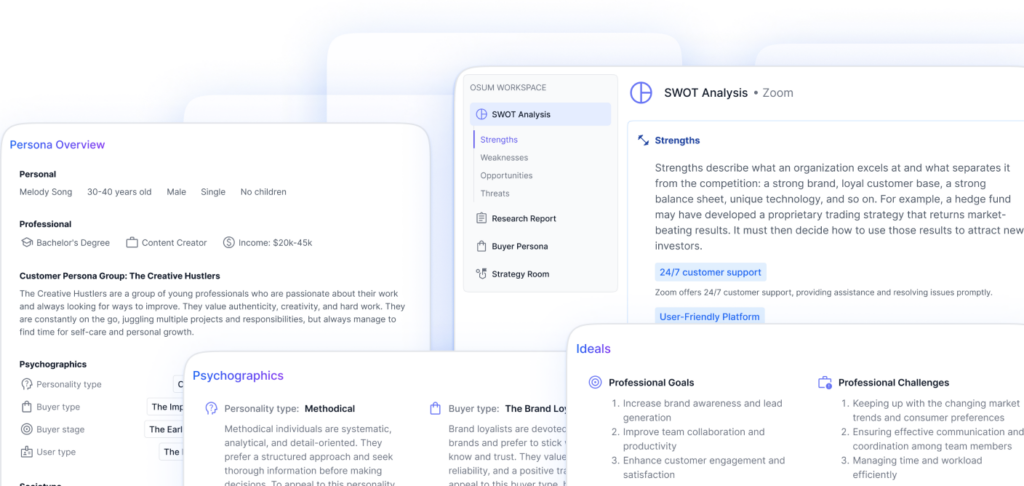

Understanding Salon Business SWOT Analysis
In the competitive landscape of the salon industry, conducting a SWOT analysis is an essential tool for salon owners to gain a comprehensive understanding of their business’s internal strengths, weaknesses, as well as external opportunities and threats. By analyzing these factors, salon businesses can make informed decisions, prioritize efforts, and formulate effective strategies to thrive amidst adversity.
What is SWOT Analysis?
A SWOT analysis is a strategic planning technique that stands for Strengths, Weaknesses, Opportunities, and Threats. It involves examining the internal and external factors that impact a business. Salon owners typically undertake a SWOT analysis when starting a new salon, contemplating a significant change, or addressing business hurdles. By conducting a SWOT analysis, salon owners can identify and evaluate the various aspects of their business in a structured and comprehensive manner, allowing them to view the overall business landscape effectively (Dojo Business).
Importance of SWOT Analysis for Salon Businesses
A SWOT analysis for a salon business is crucial for several reasons. First, it helps pinpoint the unique strengths of the salon, such as exceptional customer service, highly skilled staff, and unique service offerings (salon business strengths). Identifying these strengths allows salon owners to capitalize on them and differentiate their business from competitors.
Second, a SWOT analysis helps identify areas that require improvement, such as high operational costs, staff turnover and retention, and reputation management challenges (salon business weaknesses). Recognizing these weaknesses enables salon owners to allocate resources effectively and implement strategies to address them.
Additionally, a SWOT analysis helps salon owners identify external opportunities, such as emerging beauty trends, leveraging technology and innovation, and inclusivity and diversity in the beauty industry (salon business opportunities). By identifying these opportunities, salon owners can align their business strategies to capitalize on market trends and stay ahead of the competition.
Lastly, a SWOT analysis helps salon owners identify potential threats to their business, such as the rise of DIY beauty treatments, competition from e-commerce platforms, and changing consumer preferences and trends (salon business threats). Understanding these threats allows salon owners to develop strategies to mitigate risks and adapt to the evolving landscape.
Conducting a SWOT analysis empowers salon owners to make informed decisions, prioritize efforts, and formulate effective strategies that leverage strengths and mitigate weaknesses (Dojo Business). While a SWOT analysis does not guarantee success, it significantly enhances the likelihood of success by providing clear insight and guidance in the dynamic and ever-changing salon industry.
Strengths of Salon Businesses
Salon businesses possess several key strengths that contribute to their success in the industry. These strengths include exceptional customer service, highly skilled staff, and unique service offerings.
Exceptional Customer Service
One of the major strengths of salon businesses is their commitment to providing exceptional customer service. Salon professionals understand the importance of creating a positive and memorable experience for their clients. They prioritize customer satisfaction by listening to their needs, offering personalized recommendations, and ensuring a comfortable and welcoming environment.
By delivering exceptional customer service, salon businesses not only build strong relationships with their clients but also generate positive word-of-mouth referrals. Satisfied clients are more likely to become loyal customers and recommend the salon to their friends and family. This can significantly contribute to the growth and success of the business.
Highly Skilled Staff
The expertise and skills of salon staff are instrumental in the success of salon businesses. Salon professionals undergo extensive training and education to stay updated with the latest trends, techniques, and technologies in the industry. Their knowledge and proficiency allow them to provide high-quality services and deliver outstanding results.
Highly skilled staff members are capable of understanding and addressing the unique needs of each client. Whether it’s a haircut, color treatment, or styling, their expertise ensures that clients leave the salon feeling satisfied and confident in their new look. This level of skill and professionalism sets salon businesses apart from their competitors and contributes to their reputation as trusted beauty destinations.
Unique Service Offerings
Salon businesses can differentiate themselves by offering unique and specialized services. By providing innovative and distinct treatments, such as specialized hair treatments, spa services, or cutting-edge styling techniques, salons can attract and retain customers who are seeking something beyond the ordinary.
Unique service offerings create a competitive advantage for salon businesses, as they cater to specific needs and preferences of their target market. These offerings allow salons to stand out in a crowded market and position themselves as leaders in the industry. They also provide opportunities to upsell and cross-sell services, increasing revenue and customer loyalty.
To capitalize on these strengths, salon businesses should continue to prioritize exceptional customer service, invest in ongoing training and education for their staff, and regularly assess and update their service offerings to stay ahead of industry trends. By leveraging these strengths, salons can thrive amidst adversity and maintain a strong position in the competitive landscape of the beauty industry.
Weaknesses of Salon Businesses
While salon businesses have their strengths, it’s essential to address the weaknesses that can pose challenges to their success. In this section, we’ll explore three common weaknesses that salon businesses may face: high operational costs, staff turnover and retention, and reputation management challenges.
High Operational Costs
Salon businesses often encounter high operational costs that can significantly impact their profitability, especially for new or struggling salons. These costs include rent, utilities, inventory, and wages. Renting a suitable space in a desirable location can be expensive, and utility bills can add up quickly. Additionally, maintaining an inventory of quality haircare products and salon equipment can be costly.
To address these challenges, salon owners should carefully manage their expenses by negotiating favorable terms for their lease, seeking energy-efficient alternatives to reduce utility costs, and optimizing inventory management practices to minimize waste. Exploring partnerships with suppliers that offer competitive pricing and bulk discounts can also help reduce operational costs.
Staff Turnover and Retention
Retaining skilled and experienced staff can be an ongoing challenge in the salon industry. High turnover rates can disrupt the quality of service and the overall customer experience offered by the salon. Salon owners invest time and resources in training their staff, making it crucial to retain talented individuals to maintain consistency and build long-term relationships with clients.
To mitigate staff turnover, salon owners can focus on creating a positive work environment that fosters employee satisfaction and engagement. This can include offering competitive salaries and benefits, providing ongoing training and professional development opportunities, and implementing recognition and reward programs. Regular communication and feedback channels can also help address any concerns or issues that employees may have.
Reputation Management Challenges
In today’s digital age, reputation management is crucial for salon businesses. Negative reviews and customer experiences shared on social media platforms can quickly spread and severely impact the salon’s image and future success. Maintaining a positive reputation requires consistent delivery of high-quality services and exceptional customer experiences.
To effectively manage reputation challenges, salon businesses should actively monitor and respond to customer reviews and feedback on platforms like Google, Yelp, and social media. Promptly addressing any negative experiences and taking steps to resolve them can help mitigate the impact on the salon’s reputation. Additionally, actively engaging with customers and encouraging positive reviews can help build a strong online presence and enhance the salon’s reputation.
By addressing these weaknesses head-on, salon businesses can develop strategies to overcome these challenges and thrive in a competitive industry. It’s important for salon owners to continually assess and adapt their operations to ensure they are effectively managing costs, retaining skilled staff, and proactively managing their reputation. By doing so, they can position themselves for long-term success in the salon business.
Opportunities for Salon Businesses
In the ever-evolving beauty industry, salon businesses have numerous opportunities to thrive and stay ahead of the competition. By capitalizing on emerging beauty trends, leveraging technology and innovation, and promoting inclusivity and diversity, salons can attract and retain a loyal customer base.
Emerging Beauty Trends
Staying up-to-date with emerging beauty trends is crucial for salon businesses to meet the evolving demands of their customers. One significant trend is the growing preference for clean beauty and sustainability. Consumers are increasingly seeking products with natural, eco-friendly ingredients that are produced in an environmentally responsible manner. It’s essential for salon businesses to align themselves with this preference by offering clean and sustainable beauty products and incorporating eco-friendly practices into their operations.
Another trend that salon businesses should embrace is inclusivity and diversity. Consumers are demanding products and services that cater to various skin tones, body types, genders, and identities. Salon businesses can ensure inclusivity and diversity by offering a wide range of products that meet the needs of diverse customers. Moreover, reflecting inclusivity and diversity in their marketing, culture, and hiring practices can help create an inclusive and welcoming environment for all clients.
Leveraging Technology and Innovation
Technology and innovation play a significant role in the beauty industry, and salon businesses can leverage these advancements to enhance their offerings and customer experiences. Consumers now expect personalized experiences, innovative solutions, and seamless interactions. Salon businesses can integrate data analytics, augmented reality (AR), and virtual reality (VR) technologies to provide personalized consultations, virtual hairstyling previews, or even virtual reality experiences that simulate salon visits.
Additionally, salon businesses can embrace online booking systems and mobile apps to facilitate easy appointment scheduling and provide convenience for customers. Social media platforms can be utilized to showcase hairstyles, share tutorials, and engage with the community, enabling salons to reach a wider audience and build a strong online presence.
Inclusivity and Diversity in the Beauty Industry
Inclusivity and diversity have become increasingly important in the beauty industry. Consumers are seeking brands and businesses that embrace and celebrate diversity in all its forms. Salon businesses can contribute to this movement by offering a wide range of services and products that cater to diverse hair types, styles, and textures. By ensuring that their staff receives training in working with diverse hair types and providing an inclusive and welcoming environment, salons can attract a broader customer base.
To promote inclusivity and diversity, salon businesses can also collaborate with influencers and community organizations that advocate for these values. By supporting initiatives that celebrate diversity and partnering with influencers who champion inclusivity, salons can build authentic connections with their target audience and foster a sense of community.
By capitalizing on emerging beauty trends, leveraging technology and innovation, and promoting inclusivity and diversity, salon businesses can position themselves at the forefront of the industry. Embracing these opportunities will not only attract new customers but also retain existing ones, ensuring long-term success in the competitive salon business landscape.
Threats to Salon Businesses
Salon businesses face various threats in today’s dynamic beauty industry. Understanding and addressing these threats is crucial for the success and sustainability of salon businesses. Here are three significant threats that salon businesses need to navigate:
Rise of DIY Beauty Treatments
The rise of do-it-yourself (DIY) beauty treatments poses a threat to salon businesses, as consumers are increasingly turning to these convenient and cost-effective options. With the availability of at-home beauty products and services, customers can now perform tasks like hair coloring, nail care, and skincare in the comfort of their own homes. This trend reduces the frequency of salon visits, impacting the revenue of salon businesses (Toptal). To counter this threat, salon businesses can focus on offering specialized services that cannot be easily replicated at home. By providing unique expertise, personalized consultations, and professional-grade products, salons can position themselves as the go-to choice for customers seeking exceptional results and a pampering experience.
Competition from E-commerce Platforms
The increasing competition from e-commerce platforms offering beauty products directly to consumers poses a significant challenge to salon businesses. With the convenience of online shopping, more people are purchasing beauty products online instead of visiting salons. This shift in consumer behavior impacts revenue streams for salon businesses (Toptal). To mitigate this threat, salons can consider expanding their online presence by offering their own e-commerce platforms or partnering with existing online retailers. By providing exclusive products, personalized recommendations, and online consultations, salons can maintain customer engagement and tap into the growing online beauty market.
Changing Consumer Preferences and Trends
Consumer preferences and trends in the beauty industry are constantly evolving, posing challenges for salon businesses. Younger generations, in particular, are gravitating towards natural beauty products, non-toxic treatments, and sustainable practices. This shift in preferences has led to a decrease in demand for traditional salon services (Toptal). To adapt to changing consumer needs, salon businesses can explore eco-friendly and organic product lines, incorporate sustainable practices into their operations, and offer customized services that align with the evolving preferences of their target audience. Staying up to date with the latest salon business trends and actively seeking feedback from customers can help salons anticipate and meet the changing demands of their clientele.
By acknowledging and proactively addressing these threats, salon businesses can position themselves for long-term success. It is essential for salon owners and managers to continuously assess market conditions, invest in innovation, and adapt their strategies to navigate the evolving landscape of the beauty industry.
Adapting to Overcome Threats
In an ever-evolving business landscape, salon businesses must adapt to overcome the various threats they face. By embracing strategic approaches, salon owners can navigate challenges and continue to thrive. Here are three key strategies for adapting to and overcoming threats in the salon industry.
Differentiation and Unique Value Proposition
One effective way for salon businesses to combat threats is by focusing on differentiation and establishing a unique value proposition. By offering something distinct and valuable, salons can set themselves apart from competitors and attract a loyal customer base.
Salons can differentiate themselves by specializing in specific services, catering to a niche market, or providing unique experiences. For example, offering specialized treatments like organic skincare or eco-friendly hair services can appeal to consumers who prioritize natural and sustainable practices. By identifying and capitalizing on trends and consumer preferences, salons can stay ahead of the competition.
Embracing Digital Technologies
The rapid advancement of digital technologies has revolutionized the beauty industry, and salon businesses must embrace these innovations to stay relevant. Leveraging digital technologies helps salons streamline operations, enhance customer experiences, and reach a wider audience.
Online booking systems, mobile apps, and social media platforms are essential tools for salon businesses. These technologies make it easier for customers to schedule appointments, discover new services, and engage with the salon. Additionally, investing in digital marketing strategies, such as search engine optimization (SEO) and social media advertising, can help salons expand their online presence and attract new clients.
Enhancing Customer Experiences
The salon experience is not limited to the services provided but also encompasses the overall customer journey. To overcome threats, salon businesses must prioritize enhancing customer experiences by providing exceptional service and creating a welcoming environment.
Salons can achieve this by training their staff to deliver personalized and attentive service, ensuring that clients feel valued and cared for during their visit. Additionally, creating a comfortable and aesthetically pleasing atmosphere can contribute to a positive experience for customers.
To further enhance customer experiences, salons can offer additional services or amenities, such as complimentary refreshments, relaxing music, or loyalty programs. By going above and beyond to exceed customer expectations, salons can build customer loyalty and encourage clients to return.
By implementing strategies that focus on differentiation, embracing digital technologies, and enhancing customer experiences, salon businesses can adapt to and overcome threats in the industry. By staying proactive and continuously evolving, salons can thrive amidst adversity and sustain long-term success.
The Impact of COVID-19 on Salon Businesses
The COVID-19 pandemic has had a profound effect on the salon industry, presenting unprecedented challenges and threats to the financial stability and operations of many salons worldwide. In this section, we will explore the specific impacts of the pandemic on salon businesses, including closures, reduced foot traffic, safety and hygiene regulations, as well as the recovery and future outlook for the industry.
Closures and Reduced Foot Traffic
As a result of the pandemic, many salons were forced to temporarily close their doors to comply with government regulations and ensure the safety of their staff and clients. These closures had a significant impact on the financial viability of salon businesses, leading to revenue losses and reduced foot traffic.
The beauty services industry experienced a substantial decline during the pandemic, with an estimated 20% of salons permanently closing their doors (Typeset). The closures disrupted the regular flow of clients and revenue streams, creating financial hardships for salon owners and professionals.
Safety and Hygiene Regulations
To mitigate the spread of the virus, salons have had to implement strict safety and hygiene protocols in line with government guidelines. These regulations include enhanced sanitation practices, social distancing measures, and mandatory mask-wearing for both staff and clients.
Salons have had to invest in additional cleaning supplies, personal protective equipment (PPE), and other safety measures to ensure a safe environment for their clients and staff. Adapting to these regulations has required significant adjustments to salon operations, including reduced capacity and longer appointment times to accommodate cleaning and sanitization procedures.
Recovery and Future Outlook
While the impact of the pandemic on the salon industry has been severe, there are signs of recovery as restrictions ease and vaccination rates increase. Sales in 2021 rebounded to approximately 70% of pre-pandemic levels, with an estimated market value of $57 billion (McKinsey). However, it is predicted that it may take around six years for sales to fully return to pre-pandemic levels, even with a projected compound annual growth rate (CAGR) of 7% (McKinsey).
The recovery and future outlook for salon businesses are contingent upon various factors, including the duration and severity of the pandemic, vaccination rates, and consumer confidence. It is crucial for salon owners to adapt and embrace changes in consumer behavior and preferences to stay resilient in the face of ongoing challenges.
Salon businesses must remain agile and responsive to emerging trends, leveraging technology and innovation to enhance the customer experience and streamline operations. Additionally, building authentic connections with clients and fostering a sense of community can help salons establish loyalty and attract new customers.
As the world gradually recovers from the pandemic, salon businesses will need to navigate the changing beauty landscape by embracing flexibility, creativity, and resilience. By staying informed, adapting to evolving consumer preferences, and implementing effective strategies, salon businesses can overcome the threats posed by the pandemic and thrive in the post-pandemic era.
For more insights on trends and opportunities in the salon industry, visit our article on salon business opportunities.
Conducting a SWOT Analysis for Salon Businesses
To navigate the challenges and opportunities in the salon industry, salon owners often undertake a SWOT analysis. This analysis allows them to identify and evaluate the internal strengths and weaknesses of their salon business, as well as the external opportunities and threats it faces. By conducting a SWOT analysis, salon owners can gain valuable insights that inform their strategic decision-making process.
Steps to Perform a SWOT Analysis
Conducting a SWOT analysis for a salon business involves several key steps:
-
Gather information: Collect relevant data and information about your salon business. This includes understanding your target market, assessing customer feedback, and evaluating your competition. This step lays the foundation for a comprehensive analysis.
-
Identify strengths: Begin by identifying the internal strengths of your salon business. These are the attributes, resources, and capabilities that set your salon apart from others in the industry. Consider areas such as exceptional customer service, highly skilled staff, unique service offerings, and any other factors that give your salon a competitive edge. For a more detailed examination of strengths, refer to the section on salon business strengths.
-
Recognize weaknesses: Assess the internal weaknesses or challenges that your salon business faces. These are areas where improvements or adjustments may be necessary to enhance the overall performance and competitiveness of your salon. Some common weaknesses in the salon industry include high operational costs, staff turnover and retention issues, and reputation management challenges. For a deeper understanding of weaknesses, refer to the section on salon business weaknesses.
-
Explore opportunities: Evaluate the external opportunities that can positively impact your salon business. This involves identifying emerging beauty trends, leveraging technology and innovation, and embracing inclusivity and diversity in the beauty industry. Recognizing these opportunities allows you to capitalize on them and stay ahead in the market. For more insights on opportunities, refer to the section on salon business opportunities.
-
Assess threats: Analyze the external threats that pose challenges to your salon business. These threats may include the rise of DIY beauty treatments, competition from e-commerce platforms, and changing consumer preferences and trends. Understanding these threats helps you develop strategies to mitigate their impact and adapt to the evolving landscape. For a deeper understanding of threats, refer to the section on salon business threats.
Identifying Internal Strengths and Weaknesses
During the SWOT analysis, it is essential to identify the internal strengths and weaknesses of your salon business. This step involves assessing the factors that are within your control and influence the overall performance of your salon.
Strengths may include exceptional customer service, highly skilled staff, unique service offerings, a loyal customer base, convenient location, or a strong brand reputation. These strengths differentiate your salon from competitors and contribute to its success.
On the other hand, weaknesses may include high operational costs, staff turnover and retention issues, limited marketing budget, outdated salon equipment, or a lack of advanced technology. Identifying weaknesses allows you to address them and turn them into opportunities for improvement.
Evaluating External Opportunities and Threats
In addition to internal factors, conducting a SWOT analysis requires evaluating the external opportunities and threats that affect your salon business.
Opportunities are external factors that can be leveraged to your advantage. This may involve capitalizing on emerging beauty trends, adopting innovative technologies to enhance customer experiences, or embracing inclusivity and diversity in the beauty industry to attract a broader customer base.
Threats, on the other hand, are external factors that pose challenges to your salon business. These may include the rise of DIY beauty treatments, increased competition from e-commerce platforms, or changing consumer preferences and trends. By evaluating these threats, you can develop strategies to adapt and stay competitive in the market.
Conducting a comprehensive SWOT analysis provides salon owners with a holistic view of their business, helping them make informed decisions, prioritize efforts, and formulate effective strategies. By leveraging strengths, addressing weaknesses, capitalizing on opportunities, and mitigating threats, salon businesses can thrive amidst adversity and position themselves for long-term success.
Strategies for Success in the Salon Business
Running a successful salon business requires careful planning and effective strategies. By implementing the right approaches, salon owners can overcome challenges and position their businesses for long-term success. Here are three key strategies for achieving success in the salon business:
Strategic Vision and Planning
Crafting a strategic vision and developing a comprehensive plan are essential for salon owners to navigate the competitive landscape and achieve their business goals. Having a clear vision helps in setting a direction for the salon and aligning all efforts towards a common purpose.
When developing a strategic plan, salon owners should consider factors such as market trends, customer preferences, and salon business opportunities. Conducting a SWOT analysis, as explained in the earlier sections of this article, can provide valuable insights into the internal strengths and weaknesses of the salon, as well as external opportunities and threats. This analysis helps in identifying areas of improvement and determining the best course of action.
By defining clear objectives, setting measurable targets, and outlining actionable steps, salon owners can create a roadmap for success. Regularly reviewing and adjusting the strategic plan as needed ensures the salon remains agile and adaptable to changes in the industry.
Staff Recruitment and Training
The success of a salon business heavily relies on the skills and expertise of its staff. Hiring and retaining talented professionals is crucial for delivering exceptional service and building a loyal customer base. However, recruiting expert staff can be challenging, as mentioned by Queueme.
To overcome this challenge, salon owners can research standard salary rates, outsource recruitment, and maintain a list of potential candidates for future vacancies. By offering competitive compensation packages and providing opportunities for growth and development, salon owners can attract and retain top talent. Ongoing staff training is also essential to keep up with evolving trends and provide high-quality service. Though training costs can be high, budgeting for these expenses, negotiating lower rates with consultancy firms, and assessing the impact of training can help salon owners manage this challenge (Queueme).
Product Selection and Inventory Management
Offering a wide range of high-quality products is essential for meeting customer demands and generating additional revenue. However, selecting the right products and managing inventory can be challenging for salon owners.
To tackle this challenge, salon owners should study customer behavior, stay updated on salon business trends, and carefully curate their product selection. Understanding the preferences and needs of the target market enables salon owners to stock products that align with customer expectations.
Effective inventory management is also crucial to ensure optimal stock levels and minimize wastage. By implementing inventory tracking systems, setting reorder points, and establishing relationships with trusted suppliers, salon owners can streamline their inventory management processes.
Strategic vision and planning, staff recruitment and training, and product selection and inventory management are key strategies that can contribute to the success of a salon business. By adopting these approaches and continuously adapting to the changing needs of customers, salon owners can thrive amidst adversity and build a thriving salon business.
Navigating the Changing Beauty Landscape
As the beauty landscape continues to evolve, salon businesses must adapt to meet the changing preferences of consumers. By understanding and addressing these shifts, salon owners can stay ahead of the curve and thrive in the industry. Here are three key strategies for navigating the changing beauty landscape:
Adapting to Evolving Consumer Preferences
Consumer preferences in the beauty industry are constantly evolving, and salon businesses must keep pace with these changes. One significant shift is the increasing emphasis on clean and sustainable beauty. Consumers prioritize products with natural, eco-friendly ingredients produced in an environmentally responsible manner. To adapt, salon businesses should align their product offerings and practices with these preferences. Incorporating organic and sustainable products into salon services can attract eco-conscious clients and demonstrate a commitment to environmental responsibility (LinkedIn).
Another aspect of evolving consumer preferences is the desire for personalized experiences. Technology and innovation play a significant role in meeting this expectation. Salon businesses should leverage data analytics, augmented reality (AR), virtual reality (VR), and other emerging technologies to provide customized and immersive experiences. Personalized consultations, virtual makeovers, and interactive tools can enhance customer satisfaction and loyalty by offering unique and tailored beauty experiences (LinkedIn).
Leveraging Technology and Innovation
In today’s digital age, technology and innovation are paramount in the beauty industry. Salon businesses can harness the power of technology to streamline operations, enhance customer experiences, and drive growth. Investing in salon management software can help automate appointment scheduling, inventory management, and customer relationship management. This not only improves efficiency but also enables salon owners to focus on delivering exceptional services.
Furthermore, embracing beauty tech devices and apps can provide salon businesses with new avenues to engage with customers. Virtual consultations, online booking platforms, and digital marketing strategies can expand reach and attract a broader audience. By staying abreast of the latest technological advancements and incorporating them into their operations, salon businesses can remain competitive in the rapidly evolving beauty landscape (TechTarget).
Building Authentic Connections and Communities
Authenticity and community-building are becoming increasingly important in the beauty industry. Consumers seek genuine connections with brands and fellow beauty enthusiasts. Salon businesses can foster these connections by building authentic brand stories, engaging with customers through social media, and collaborating with influencers or local communities. By creating a sense of belonging and shared values, salon businesses can cultivate a loyal customer base and differentiate themselves from competitors.
Investing in e-commerce capabilities and online communities can also strengthen the salon’s presence in the digital space. Offering online retail options for beauty products and providing educational content can deepen customer engagement and generate additional revenue streams. By establishing a strong online presence and nurturing genuine connections with customers, salon businesses can thrive in the changing beauty landscape (LinkedIn).
By adapting to evolving consumer preferences, leveraging technology and innovation, and building authentic connections and communities, salon businesses can navigate the changing beauty landscape with confidence. Staying responsive to industry trends and continuously seeking ways to enhance the salon experience will position businesses for long-term success in an ever-evolving industry.