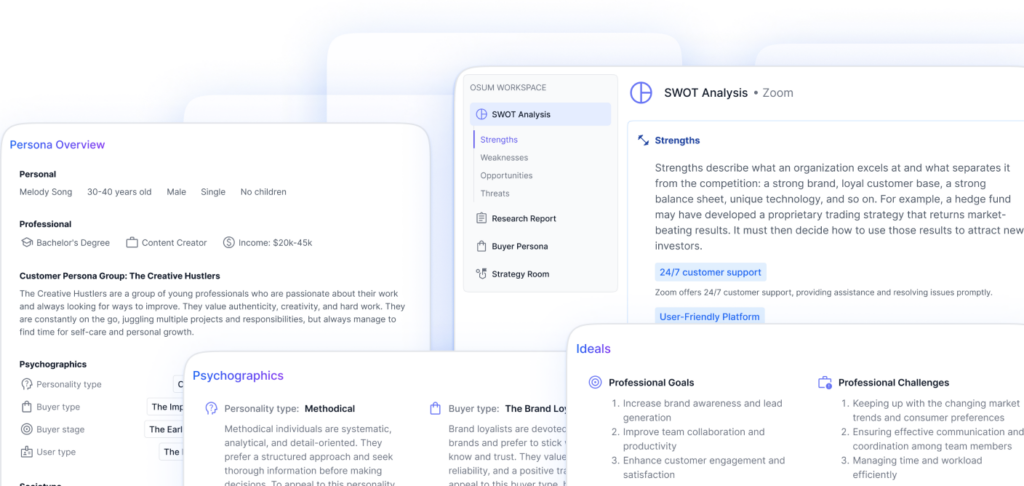

SWOT Analysis of the Banking Industry
The banking industry plays a crucial role in the economy, contributing significantly to the GDP of a country. With total assets amounting to $166.38 trillion globally as of June 2021, the banking sector’s immense size and impact on the economy cannot be overlooked (Mike Vestil). Conducting a SWOT analysis helps us understand the strengths, weaknesses, opportunities, and threats that shape the industry.
Strengths of the Banking Sector
One of the key strengths of the banking sector lies in its ability to provide essential financial services to individuals and businesses. Banks offer services such as loans, mortgages, and investment opportunities, fostering economic growth and development. By facilitating financial transactions, banks contribute to the stability and profitability of the sector. They act as intermediaries, connecting savers and borrowers, and supporting the efficient allocation of capital.
Moreover, the banking sector plays a vital role in improving economic stability. By providing financial services such as loans, credit, and investment management, it contributes significantly to the growth of the economy as a whole (OSUM). Banks ensure the availability of funds for businesses and individuals, enabling them to pursue entrepreneurial activities, invest in assets, and drive economic progress.
Weaknesses of the Banking Sector
Despite its strengths, the banking sector also faces certain weaknesses that need to be addressed. One notable weakness is its susceptibility to cyber-attacks and data breaches. As the reliance on technology for transactions and data management grows, the risk of cyber threats increases. Protecting data security, financial stability, and customer trust becomes a significant challenge for banks. Implementing robust cybersecurity measures and staying updated with evolving threats are essential to mitigate this risk.
Additionally, the banking sector faces increased competition from non-traditional financial institutions such as fintech companies. These innovative players leverage technology to offer alternative financial services, disrupting the traditional banking landscape. Banks need to adapt to changing customer preferences and market trends to stay competitive in this evolving landscape. Embracing digital transformation, enhancing customer experiences, and leveraging technology advancements are key steps to address this weakness.
Understanding the strengths and weaknesses of the banking sector is crucial for navigating the challenges and opportunities that arise. By capitalizing on its strengths and addressing weaknesses, the industry can continue to play a pivotal role in driving economic growth and meeting the evolving needs of customers. To explore more about the banking industry, including its trends and challenges, visit our articles on banking industry trends and banking industry challenges.
Opportunities in the Banking Industry
The banking industry is constantly evolving, presenting numerous opportunities for growth and innovation. In this section, we will explore three key opportunities that the banking sector can capitalize on: digital transformation and fintech adoption, regulatory compliance and policy changes, and technological advancements.
Digital Transformation and Fintech Adoption
One significant opportunity for the banking sector lies in leveraging digital transformation and adopting advanced technologies to enhance customer experience, streamline operations, and remain competitive in the market. Embracing digitalization can help banks reach a broader customer base and improve efficiency. The adoption of financial technology (Fintech) solutions also presents an opportunity to provide innovative financial products and services, further improving efficiency and competitiveness in the sector (Hitachi Solutions).
By harnessing digital transformation, banks can offer convenient and personalized banking experiences through online and mobile channels. This includes features such as mobile banking apps, digital wallets, and real-time payment systems. Additionally, embracing Fintech solutions enables banks to leverage advanced technologies like artificial intelligence, blockchain, and big data analytics to automate processes, enhance risk management, and provide personalized financial advice.
Regulatory Compliance and Policy Changes
Regulatory compliance and policy changes also present opportunities for the banking industry. As regulatory frameworks evolve, banks can proactively adapt and comply with new rules and regulations. This can help build trust with customers and stakeholders, ensuring the stability and integrity of the financial system.
Furthermore, policy changes can create opportunities for banks to expand their product and service offerings. For example, the introduction of open banking regulations in some jurisdictions allows banks to collaborate with third-party providers and offer innovative financial solutions. By embracing these policy changes, banks can foster innovation, improve customer experience, and drive new revenue streams.
Technological Advancements
Technological advancements present both opportunities and challenges to the banking sector. While innovations like artificial intelligence, blockchain, and big data analytics can improve operational efficiency and customer experience, they also pose challenges in terms of implementation costs, cybersecurity risks, and adaptability to changing technologies (Hitachi Solutions).
By embracing technological advancements, banks can enhance their internal processes, such as automating routine tasks, implementing robust cybersecurity measures, and utilizing data analytics for better decision-making. Externally, banks can leverage technology to offer innovative services such as robo-advisory platforms, digital lending solutions, and personalized financial management tools.
To capitalize on these opportunities, banks must prioritize investments in technology infrastructure, talent acquisition, and partnerships with technology companies. By staying at the forefront of technological advancements, banks can position themselves as leaders in the industry and meet the evolving needs of their customers.
In this dynamic and competitive landscape, banks that embrace digital transformation, adapt to regulatory changes, and leverage technological advancements will be well-positioned to seize the opportunities available in the banking industry. By staying agile and continuously innovating, banks can drive growth, enhance customer satisfaction, and maintain a competitive edge in the market.
Threats to the Banking Sector
As the banking industry evolves, it faces various threats that can impact its stability and future growth. In this section, we will explore three significant threats to the banking sector: competition from non-traditional financial institutions, cybersecurity risks and data breaches, and changing customer preferences and market trends.
Competition from Non-Traditional Financial Institutions
The banking sector is experiencing increasing competition from non-traditional financial institutions and fintech companies. These competitors leverage technology to offer innovative and convenient financial solutions, posing a significant threat to the traditional banking model. Global tech giants like Google and Tencent are using their platforms to seamlessly offer banking services to millions of customers, further intensifying the competition for traditional banks. In addition, around 200 digital banks have been launched since 2015, along with new financial services providers like brokerages, wealth-advisory services, and payment platforms.
To mitigate this threat, traditional banks must adapt and innovate. Embracing digital transformation and adopting advanced technologies can help banks enhance customer experience, streamline operations, and remain competitive in the market. By leveraging technology and offering tailored services, traditional banks can differentiate themselves from non-traditional competitors and retain their customer base.
Cybersecurity Risks and Data Breaches
With the increasing reliance on technology and digital platforms, the banking sector faces significant cybersecurity risks and data breaches. Cybercriminals are constantly developing sophisticated techniques to exploit vulnerabilities in bank systems, putting customer information and financial assets at risk. A single data breach can have severe consequences, damaging a bank’s reputation and eroding customer trust.
To combat these threats, banks must invest in robust cybersecurity measures. This includes implementing advanced security protocols, encryption technologies, and regular vulnerability assessments. Additionally, banks should prioritize employee training and awareness programs to educate staff about potential threats and promote best practices in data security. Collaborating with industry experts and regulatory bodies can also provide valuable insights and guidance in strengthening cybersecurity defenses.
Changing Customer Preferences and Market Trends
Customer preferences in the banking sector are continually evolving, driven by advancements in technology and changing market dynamics. Increasingly, customers are turning to online and mobile banking services, demanding convenience, speed, and personalized experiences (EveryBitMatters). This shift in customer behavior poses a challenge for traditional banks that rely heavily on physical branches and traditional banking methods.
To address this threat, banks must embrace digital transformation and develop omnichannel strategies. Investing in user-friendly mobile applications, intuitive online banking platforms, and seamless customer experiences across touchpoints can help banks meet the demands of tech-savvy customers. By adapting to changing market trends and customer preferences, banks can remain relevant and competitive in an increasingly digital landscape.
Understanding and addressing these threats is essential for the banking sector to navigate the dynamic and evolving industry landscape. By proactively addressing competition from non-traditional financial institutions, prioritizing cybersecurity measures, and adapting to changing customer preferences and market trends, banks can position themselves for long-term success.