
Introduction to Tech Startups
In today’s ever-evolving technological landscape, tech startups play a significant role in shaping the way we live and work. These innovative ventures have the potential to disrupt industries, introduce groundbreaking technologies, and transform our daily lives. In this section, we will explore the impact of tech startups and discuss key characteristics that contribute to their success.
The Impact of Tech Startups
Some of the best tech startups have revolutionized various industries and left an indelible mark on society. Companies like Uber, Airbnb, and Stripe have transformed transportation, accommodation, and online payments, respectively, becoming household names along the way (CNET). They have challenged traditional business models, leveraging technology to offer innovative services that have changed the way we live and work.
For example, Spotify has revolutionized the music industry by introducing streaming services, replacing CDs and digital downloads as the primary means of music consumption (CNET). Palantir Technologies has enabled data-driven decision-making through its advanced analytics tools, empowering governments and businesses to leverage vast amounts of information for insights. SpaceX has made space travel more accessible and affordable by advancing space transportation through reusable rockets, disrupting the aerospace industry (CNET). Zoom has facilitated remote communication, especially evident during the COVID-19 pandemic when virtual meetings and remote work became the norm (CNET).
Key Characteristics of Successful Tech Startups
While each tech startup has its unique journey, successful ones share common characteristics that contribute to their achievements. These key traits set them apart and help them navigate the challenges and uncertainties of the startup ecosystem.
-
Vision and Innovation: Successful tech startups have a clear vision for the future and are driven by innovation. They identify opportunities for disruption, challenge the status quo, and introduce novel solutions to meet evolving customer needs.
-
Agility and Adaptability: Tech startups must be agile and adaptable to thrive in a rapidly changing market. They embrace change, iterate quickly, and pivot when necessary to stay ahead of the curve.
-
Talented and Diverse Teams: Startups with diverse and talented teams have a competitive advantage. Research shows that startups with co-founders outperform solo-founded startups, with teams of four founders having around 70% higher odds of success compared to solo founders (Forbes). Companies with at least one female founder tend to perform better, and leadership diversity is vital for innovation and revenue growth.
-
Customer-Centric Approach: Successful tech startups prioritize the needs of their customers. They gather feedback, iterate based on user input, and continuously improve their products or services to deliver exceptional customer experiences.
-
Effective Leadership: The role of effective leadership cannot be overstated in the success of a tech startup. Strong leaders build cohesive teams, cultivate a positive culture, and navigate the challenges of scaling a business. They inspire and motivate their teams, while also making informed decisions that drive the company’s growth.
These key characteristics provide the foundation for successful tech startups to thrive in a competitive landscape. By embodying these traits, startups can navigate the complexities of the industry and make a lasting impact on society.
Top Tech Startups of All Time
In the dynamic world of technology, certain startups have made a lasting impact, transforming industries and revolutionizing the way we live and work. Here are some of the top tech startups of all time:
Uber: Transforming Transportation
Uber, one of the most influential startups, has transformed the transportation industry. By leveraging technology and the power of mobile apps, Uber disrupted traditional taxi services by offering a convenient and efficient ride-hailing platform. With a vast network of drivers and seamless user experience, Uber has changed the way people commute in cities around the world.
Airbnb: Disrupting the Accommodation Industry
Airbnb has revolutionized the accommodation industry by providing a platform for individuals to rent out their homes, apartments, or rooms to travelers. This innovative startup has disrupted the traditional hotel industry, offering unique and affordable lodging options to millions of travelers worldwide. With its user-friendly platform and emphasis on shared experiences, Airbnb has transformed the way people travel and explore new destinations.
Stripe: Revolutionizing Online Payments
Stripe is a tech startup that has revolutionized online payments. By offering a seamless and secure payment processing platform, Stripe has simplified e-commerce transactions for businesses of all sizes. With its robust infrastructure and developer-friendly tools, Stripe has become a go-to choice for online businesses, enabling them to accept payments efficiently and securely.
Spotify: Changing the Music Industry
Spotify has had a profound impact on how we consume music. As a leading streaming service, Spotify has replaced CDs and digital downloads as the primary means of music consumption. By offering a vast library of songs, personalized playlists, and discovery features, Spotify has changed the way we discover, listen to, and share music.
Palantir Technologies: Enabling Data-Driven Decision-Making
Palantir Technologies has redefined how organizations make data-driven decisions. Through its data analytics tools, Palantir enables governments and businesses to analyze vast amounts of information, uncover insights, and make informed decisions. By leveraging advanced algorithms and data visualization, Palantir has empowered organizations to harness the power of data for various purposes, including intelligence analysis, fraud detection, and supply chain optimization.
SpaceX: Advancing Space Transportation
SpaceX, founded by Elon Musk, has made significant advancements in space transportation. With its reusable rockets, SpaceX has disrupted the aerospace industry, making space travel more accessible and affordable. By successfully landing and reusing rocket boosters, SpaceX has significantly reduced the cost of launching payloads into space, opening up new possibilities for exploration and commercial space ventures.
Zoom: Facilitating Remote Communication
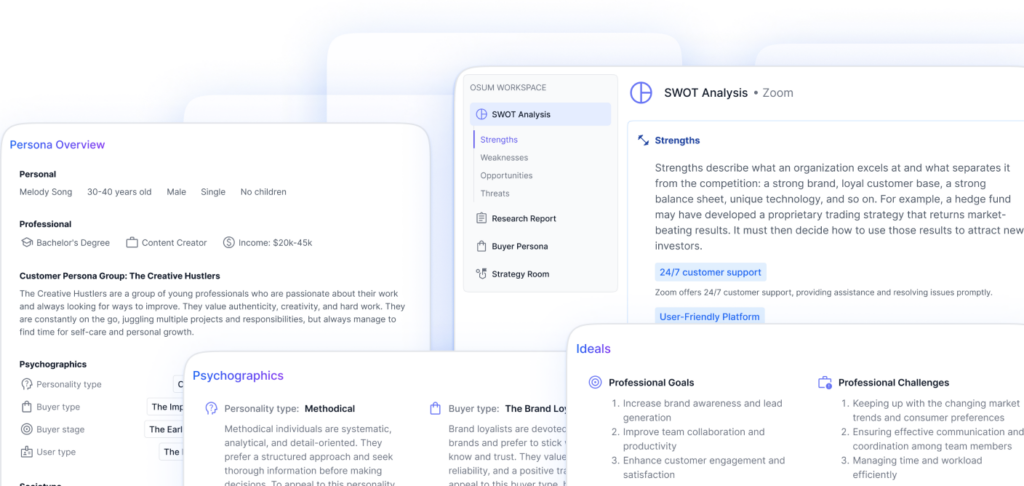
Zoom has become a household name, especially during the COVID-19 pandemic when remote work and virtual meetings became the norm. As a reliable video conferencing platform, Zoom has facilitated seamless communication and collaboration, connecting people around the world. With its user-friendly interface and high-quality video and audio capabilities, Zoom has played a crucial role in keeping businesses, schools, and individuals connected.
These tech startups have made a lasting impact on their respective industries, pushing boundaries, and reshaping the way we live, work, and interact with technology. Their innovative approaches and disruptive technologies have paved the way for new possibilities and continue to inspire the next generation of entrepreneurs and startups.
Factors for Tech Startup Success
When it comes to the success of tech startups, several key factors come into play. In this section, we will explore the power of co-founders, the importance of diversity in founding teams, the role of effective leadership, and the benefits of leadership diversity.
The Power of Co-Founders
Research has shown that successful tech startups are often founded by teams rather than solo entrepreneurs. Startups with co-founders have been found to outperform solo-founded startups significantly. In fact, the odds of success increase with the number of co-founders, with startups having four founders having around 70% higher odds of success compared to a solo founder. The power of co-founders lies in their collective skills, expertise, and ability to share the workload, making it easier to navigate the challenges of building a successful startup.
The Importance of Diversity in Founding Teams
Diversity in founding teams is a crucial factor in the success of tech startups. Startups with at least one female founder tend to perform better than all-male founded ones. Additionally, companies with at least one immigrant founder have higher chances of experiencing high growth (Forbes). A diverse founding team brings a variety of perspectives, experiences, and ideas to the table, enhancing innovation and problem-solving capabilities. Embracing diversity in all its forms, including gender, ethnicity, and background, can lead to more creative solutions and ultimately drive the success of a tech startup.
The Role of Effective Leadership
Effective leadership is a fundamental factor in the success of any tech startup. The CEO plays a crucial role in building a strong team around them. Companies that perform best typically have CEOs who can construct a team with complementary skills and expertise (Forbes). A strong leader can provide guidance, inspire the team, make strategic decisions, and navigate the challenges and uncertainties of the startup journey. Effective leadership sets the tone for the entire organization and plays a pivotal role in achieving the startup’s goals and objectives.
The Benefits of Leadership Diversity
Leadership diversity is not only important for social and ethical reasons, but it also contributes to the success of tech startups. A study conducted by Boston Consulting Group found that companies with more diverse management teams have 19% higher revenues due to innovation. Having a diverse leadership team brings together different perspectives, experiences, and problem-solving approaches. It fosters innovation and creativity, enabling the startup to adapt to changing market dynamics and seize new opportunities. Companies that support and promote gender and leadership diversity have been proven to outperform their competitors, making it a crucial factor in the success of tech startups.
By recognizing the power of co-founders, the importance of diversity in founding teams, the role of effective leadership, and the benefits of leadership diversity, tech startups can set themselves up for success. These factors contribute to the overall strength, resilience, and innovation capabilities of startups, positioning them for growth and long-term viability in the competitive tech landscape.
Global Tech Startup Landscape
The tech startup landscape is dynamic and ever-evolving, with different regions around the world making significant contributions to innovation and entrepreneurship. In this section, we will explore three key aspects of the global tech startup landscape: the dominance of the United States, the rise of China and India, and emerging tech hubs around the world.
The Dominance of the United States
When it comes to tech startups, the United States stands out as a global leader. It is home to the highest number of tech startups valued at $1 billion or more, commonly known as unicorns. As of June 2018, the United States boasted a total of 109 unicorns, demonstrating its strong position in the tech industry.
The United States has long been a hub for technological innovation and entrepreneurial activity. Silicon Valley, located in the San Francisco Bay Area, has become synonymous with tech startups and has been instrumental in shaping the industry. The concentration of venture capital firms, top-tier universities, and a culture that encourages risk-taking has contributed to the dominance of the United States in the tech startup ecosystem.
The Rise of China and India
While the United States has traditionally held the top spot in the tech startup landscape, China and India have emerged as formidable players in recent years. China, in particular, has experienced tremendous growth in its tech sector. As of November 2021, China had 120 unicorn companies, making it the second-largest country in terms of unicorn count.
India has also witnessed a rise in tech startups, with 29 unicorn companies as of November 2021. These startups have made significant contributions to sectors such as e-commerce, fintech, and software development. The entrepreneurial spirit and a large pool of technical talent have fueled the growth of India’s tech startup ecosystem (Crunchbase).
Emerging Tech Hubs Around the World
Beyond the United States, China, and India, emerging tech hubs are springing up around the world. These locations offer favorable conditions for tech startups to thrive, attracting both local and international entrepreneurs. Some notable emerging tech hubs include:
-
London, United Kingdom: London has established itself as a leading tech hub in Europe. The city’s vibrant startup ecosystem, access to capital, and supportive government initiatives have contributed to its growth.
-
Berlin, Germany: Berlin has become a hotbed for tech startups, known for its creative and innovative atmosphere. The city’s relatively low cost of living and a strong network of investors have attracted entrepreneurs from various industries.
-
Tel Aviv, Israel: Tel Aviv, often referred to as “Silicon Wadi,” has seen a surge in tech startup activity. Israel’s strong focus on research and development, coupled with government support and a robust venture capital ecosystem, has fostered an environment conducive to innovation.
-
Bangalore, India: Known as the “Silicon Valley of India,” Bangalore has emerged as a prominent tech hub in the country. The city’s abundance of engineering talent and a supportive startup ecosystem have made it a preferred destination for tech entrepreneurs.
These emerging tech hubs, along with established players like the United States, China, and India, contribute to the global tech startup landscape. As the industry continues to evolve, it’s likely that we will see new hubs emerging and existing ones further solidifying their positions as innovation centers.
The global tech startup landscape is diverse and full of opportunities for entrepreneurs and investors alike. It’s an exciting time to be part of the tech industry, with innovation happening across the globe. Whether it’s in the established tech giants or the emerging tech hubs, the future looks promising for tech startups worldwide.
Series Funding for Tech Startups
In the world of tech startups, series funding plays a crucial role in fueling their growth and development. Series funding refers to the different rounds of investment that startups receive from venture capitalists (VCs) or angel investors at various stages of their journey. These rounds are typically labeled as Series A, Series B, and so on, with each round denoting a different stage of funding and growth for the startup.
Understanding Series Funding
Series funding works by occurring in multiple rounds, starting with the seed round and progressing to series A, series B, and subsequent rounds such as series C and beyond. Each round involves different funding amounts and aims to provide the startup with the necessary capital to scale its operations and expand its market presence. With each round of funding, the startup’s valuation is reassessed, and investors acquire a percentage of ownership, potentially diluting the founders’ stake.
Different Stages of Series Funding
The stages of series funding for startups can be categorized as follows:
-
Pre-seed Funding: This stage involves securing initial capital to transform an idea into a viable product or service. Funding at this stage is typically obtained from friends, family, or angel investors.
-
Seed Funding: Seed funding is raised to support the startup in its early stages of development. It helps the company build a prototype, conduct market research, and validate its business model. Seed funding can range from a few hundred thousand dollars to a few million.
-
Series A Funding: Series A funding is typically the first significant round of funding for a startup. At this stage, the company has demonstrated market traction, user acquisition, and revenue growth potential. The amount raised in a Series A round can vary but is usually in the range of $2 million to $15 million.
-
Series B Funding: Series B funding is raised to further scale the startup’s operations, expand into new markets, and invest in product development. The amount raised in a Series B round can range from $10 million to $50 million or more.
-
Series C Funding: Series C funding is often raised by startups that have achieved significant growth and are looking to accelerate their expansion. This round is focused on scaling and can involve raising tens or even hundreds of millions of dollars.
How Startups Raise Series Funding
Startups can raise series funding by following several key steps. These include:
-
Establishing a solid business plan: Startups need to develop a clear and compelling business plan that outlines their vision, market opportunity, competitive advantage, and growth strategy.
-
Building a strong team: Investors are more likely to invest in startups that have a talented and experienced team capable of executing the business plan and driving growth.
-
Validating the market opportunity: Startups must demonstrate that there is a demand for their product or service by conducting market research, gathering user feedback, and showcasing early traction.
-
Cultivating relationships with investors: Building relationships with venture capitalists and institutional investors is crucial. Startups should network, attend industry events, and leverage their connections to gain introductions to potential investors.
-
Preparing a compelling pitch deck: A well-crafted pitch deck is essential for capturing the attention of investors. It should concisely convey the startup’s value proposition, market potential, growth strategy, and financial projections.
-
Conducting due diligence on investors: Startups should perform due diligence on potential investors to ensure they align with the startup’s goals and can provide valuable expertise and support.
Average Amounts Raised in Series Funding Rounds
The average amount of funding raised in series funding rounds can vary widely depending on the stage of funding and the specific needs and growth trajectory of the startup. While the amounts raised are subject to significant variation, here are approximate ranges for each stage:
| Stage | Average Amount Raised |
|---|---|
| Series A | $2 million to $15 million |
| Series B | $10 million to $50 million or more |
| Series C | $30 million to $100 million or more |
These figures serve as a general guideline and may vary depending on factors such as the market, industry, and investor appetite.
By navigating the series funding landscape successfully, tech startups can secure the capital needed to drive innovation, expand their operations, and ultimately become the next big success story in the industry.
The Latest Trends in Tech Startups
As the tech industry continues to evolve at a rapid pace, it’s essential to stay up-to-date with the latest trends in tech startups. In this section, we will explore some of the current trends shaping the tech startup landscape.
Sustainable Startups and Their Impact
In recent years, the rise of sustainable startups has been a significant trend in the tech industry. These startups are driven by a growing consumer demand for responsible products and services, advancements in technology, and an increasing awareness of global sustainability challenges (LinkedIn). By disrupting traditional industries, sustainable startups are paving the way for a more sustainable future.
Sustainable startups are making an impact in various sectors, including renewable energy, agriculture and food systems, manufacturing and materials, and transportation and mobility. These startups are introducing innovative solutions that address environmental issues while offering viable business models (LinkedIn). For example, startups focused on renewable energy are challenging traditional utility companies by democratizing access to green energy (LinkedIn). This includes initiatives like offering solar panel installations with zero upfront costs, enabling homeowners to generate their electricity and reduce reliance on fossil fuels.
Investors are recognizing the economic potential of sustainable startups, resulting in significant investment flowing into green tech and sustainability-focused startups. This trend underscores the importance of sustainable business models in driving forward the global sustainability agenda. Startups in sectors like renewable energy or sustainable agriculture often require significant upfront investment in research, development, and infrastructure, posing a higher risk profile that can deter traditional investors. However, the potential for positive social and environmental impact has attracted venture capital to these areas.
Emerging Sectors and Technologies
The tech startup landscape is continually evolving, with emerging sectors and technologies gaining traction. Some of the sectors that have experienced substantial growth and investment include artificial intelligence (AI), blockchain, Internet of Things (IoT), cybersecurity, remote work technologies, digital health solutions, EdTech platforms, and environmental technology (cleantech). These sectors offer exciting opportunities for startups to innovate and disrupt traditional industries.
Artificial intelligence, in particular, has been a game-changer for many industries, enabling startups to develop advanced algorithms and machine learning models that drive automation and efficiency. Blockchain technology has also gained attention for its potential to revolutionize various sectors by providing secure and transparent transactional systems. Additionally, the COVID-19 pandemic has accelerated the adoption of digital health solutions and remote work technologies, creating new opportunities for startups in these areas.
The Unicorn Club: Valuable Startups
The unicorn club refers to startups valued at a billion dollars or more, representing the most valuable startups in the tech industry. As of 2021, the unicorn club has swelled to over 800 companies worldwide. These startups have attracted significant attention from investors and have the potential to disrupt industries and shape the future of technology.
Among the top countries with the most unicorn companies are the United States, China, and India. These countries have fostered a robust ecosystem for tech startups, providing access to capital, talent, and supportive infrastructure. The most active venture capital investors in unicorn companies include Sequoia Capital, Andreessen Horowitz, and Goldman Sachs, who have made substantial investments in these valuable startups (Crunchbase).
Disruptive Startups and Their Success Stories
Disruptive startups continue to make their mark in various industries, challenging traditional business models and transforming the way we live and work. These startups introduce innovative products, services, or platforms that redefine existing norms and create new opportunities. Some successful examples of disruptive startups include Uber, Airbnb, and Spotify, which have revolutionized transportation, accommodation, and the music industry, respectively.
Disruptive startups often leverage technology to create more convenient, efficient, and user-centric solutions. By identifying pain points and addressing them with innovative approaches, these startups gain a competitive edge and capture significant market share. Their success stories inspire and motivate other entrepreneurs to think outside the box and reimagine traditional industries.
By keeping an eye on the latest trends in tech startups, investors, entrepreneurs, and tech enthusiasts can stay informed about the evolving landscape. Whether it’s sustainable startups, emerging sectors and technologies, valuable unicorns, or disruptive success stories, these trends shape the future of the tech industry and provide exciting opportunities for innovation and growth.