
Introduction to Starting a Wellness Retreat Business
Embarking on the journey of starting a wellness retreat business can be an exciting and rewarding endeavor. As the global wellness tourism market continues to thrive, there are ample opportunities for entrepreneurs to tap into the growing demand for wellness experiences. In this section, we will provide an overview of the wellness retreat industry and explore the benefits and opportunities of starting a wellness retreat business.
Overview of the Wellness Retreat Industry
The wellness retreat industry has experienced significant growth in recent years, driven by a rising interest in health, well-being, and self-care. According to Sojern, the global wellness tourism market was valued at $814.6 billion in 2022, with a projected growth rate of about 12% from 2023 to 2030, indicating substantial opportunities for revenue growth in the hospitality industry (Sojern). Technavio’s market research reveals that the wellness retreat market is projected to increase by USD 427.46 billion from 2022 to 2027, progressing at a compound annual growth rate (CAGR) of 7% during this period (Me Time Away).
In the United States alone, the wellness tourism sector was worth $204.9 billion in 2018, and it is projected to grow at a CAGR of 7.2% from 2019 to 2026 (Fin Models Lab). This growth can be attributed to individuals seeking opportunities to disconnect from their busy lives, focus on self-care, and improve their overall well-being. Wellness retreats provide a sanctuary for participants to rejuvenate their mind, body, and spirit in peaceful and serene settings (Fin Models Lab).
Benefits and Opportunities of Starting a Wellness Retreat Business
Starting a wellness retreat business offers numerous benefits and opportunities for entrepreneurs. Here are a few key advantages:
-
Fulfillment: Running a wellness retreat business allows you to positively impact the lives of your guests, helping them achieve their health and wellness goals. The satisfaction of witnessing the transformative experiences of your participants can be immensely rewarding.
-
Lucrative Market: The thriving wellness tourism market presents significant revenue potential. With a projected compound annual growth rate of 7% from 2022 to 2027, there are ample opportunities to capitalize on the increasing demand for wellness retreat experiences.
-
Flexibility and Creativity: As the owner of a wellness retreat business, you have the freedom to design and curate unique experiences tailored to your target audience. From selecting the location and accommodations to crafting specialized offerings, you have the opportunity to showcase your creativity and passion for wellness.
-
Holistic Approach: Wellness retreats encompass a wide range of activities and services, allowing you to offer a holistic approach to well-being. From yoga and meditation sessions to spa treatments and nutritious cuisine, you can create a comprehensive retreat experience that addresses various aspects of health and wellness.
By understanding the industry landscape and recognizing the benefits and opportunities, you can lay the foundation for a successful wellness retreat business. In the following sections, we will delve into the specific considerations and steps involved in starting your own wellness retreat venture.
Defining Your Niche in the Wellness Retreat Market
To successfully start a wellness retreat business, it is crucial to define your niche within the thriving wellness retreat market. By choosing a specialized offering and targeting your ideal audience, you can carve out a unique space for your retreat and attract the right clientele.
Choosing a Specialized Offering
The first step in defining your niche is selecting a specialized offering for your wellness retreat. This could be a yoga retreat, meditation camp, mindful cooking retreat, or any other focused theme that aligns with your expertise and passion. Narrowing down your niche allows you to tailor your retreat experiences and create a distinct value proposition for your target audience.
When deciding on a specialized offering, consider your strengths, interests, and the market demand. Conduct market research to identify trends and gaps in the industry that you can fill with your unique offering. By providing a specific experience or service, you can differentiate your retreat from the competition and attract a dedicated following.
Targeting Your Ideal Audience
Once you have chosen your specialized offering, it is essential to identify and target your ideal audience. Understanding your target audience’s demographics, interests, and preferences will help you tailor your retreat experiences and marketing efforts to resonate with them.
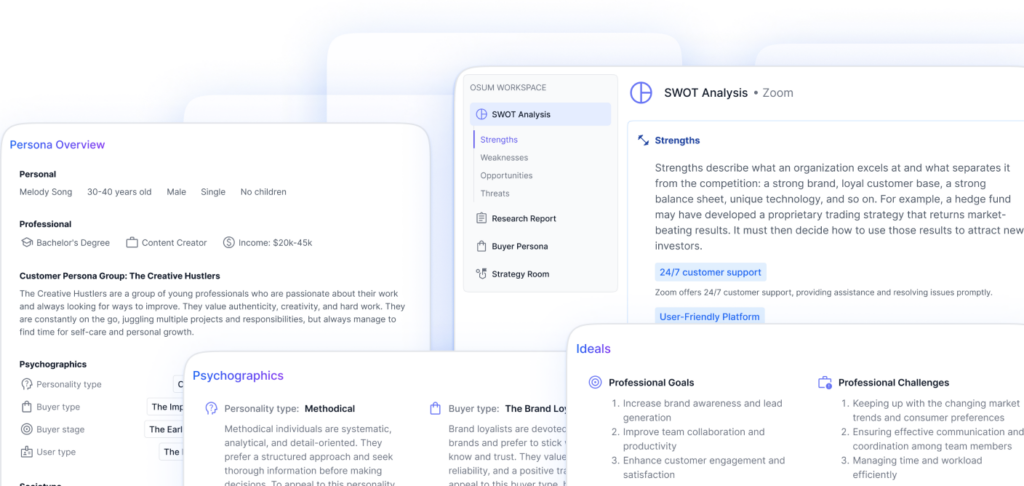
Create user persona profiles to define your ideal retreat participant. Consider factors such as age, gender, location, lifestyle, and specific wellness goals. These profiles will guide your marketing strategies and help you craft messages that speak directly to your target audience.
To attract your ideal audience, leverage your unique proposition and communicate the benefits of your specialized offering. Highlight the value and transformation that participants can expect from attending your retreat. By effectively targeting your ideal audience, you can build a loyal customer base and generate positive word-of-mouth referrals.
By defining your niche and targeting your ideal audience, you can position your wellness retreat business for success in the competitive market. Remember to continually assess market trends and feedback from your participants to refine and evolve your offerings. With a well-defined niche and a deep understanding of your target audience, you can create a retreat experience that stands out and attracts fitness enthusiasts seeking the specific benefits and experiences you offer.
For more information on starting a wellness retreat business, including creating a business plan and marketing strategies, check out our article on how to start a fitness retreat business.
Legal and Operational Considerations for a Wellness Retreat Business
Before launching your wellness retreat business, it’s important to address the legal and operational aspects to ensure a smooth and compliant operation. This section will cover crucial considerations such as business structure and registration, as well as legal requirements and insurance.
Business Structure and Registration
One of the first decisions you’ll need to make is the structure of your wellness retreat business. The most common options include sole proprietorship, partnership, limited liability company (LLC), or corporation. Each structure has its own advantages and considerations. Consulting with a legal professional can help you determine the best fit for your specific needs.
Once you’ve decided on a structure, you’ll need to register your business according to the requirements of your jurisdiction. This typically involves obtaining the necessary licenses and permits, registering for taxes, and fulfilling any local regulations related to hospitality businesses, health services, and event hosting. Complying with these legal obligations is crucial for the smooth and legitimate operation of your wellness retreat business.
Legal Requirements and Insurance
To protect your business and participants, it’s important to address legal requirements and insurance. Consider implementing waivers and disclaimer forms that participants must sign before attending your retreat. These documents can help protect your business from liability in case of accidents or injuries. Consulting with a legal professional experienced in the retreat industry can assist in drafting these documents to ensure they meet legal standards.
Furthermore, securing appropriate insurance coverage is essential. Event and business insurance can provide protection in case of unforeseen circumstances or accidents during the retreat. This coverage can include general liability insurance, property insurance, and professional liability insurance. Assessing the specific risks associated with your retreat and consulting with an insurance agent will help determine the most suitable coverage for your business.
By addressing legal and operational considerations, you can establish a solid foundation for your wellness retreat business. Ensuring compliance with local regulations, structuring your business appropriately, and securing the necessary insurance coverage will help protect your business and provide peace of mind as you embark on your journey of providing exceptional wellness experiences.
For more information on starting a wellness retreat business, including business plans, ideas, and marketing strategies, check out our other articles.
Pricing and Budgeting for Wellness Retreats
When starting a wellness retreat business, it’s crucial to have a clear understanding of the costs involved and implement effective pricing strategies to ensure profitability. This section will explore the importance of cost analysis, pricing strategies, and budgeting for expenses and profitability.
Cost Analysis and Pricing Strategies
Before setting the prices for your wellness retreats, conducting a thorough cost analysis is vital. This analysis should encompass all the expenses associated with running the retreat, including location costs, accommodation, meals, activities, staffing, marketing, insurance, permits, and other operational expenses.
To determine a competitive yet profitable pricing strategy, it’s important to consider various factors. Begin by researching similar retreat offerings in the market to understand the pricing range. This will provide insights into how your retreat can be positioned and priced in relation to the competition.
Avoid undervaluing your retreats by considering the unique features, specialized offerings, and value you provide to your target audience. Additionally, factor in any margin needed to cover unforeseen expenses and maintain profitability.
By conducting a comprehensive cost analysis and employing effective pricing strategies, you can strike a balance between attracting customers and ensuring the financial sustainability of your wellness retreat business.
Budgeting for Expenses and Profitability
Creating a budget is an essential step in managing the financial aspects of your wellness retreat business. A well-planned budget helps you allocate resources effectively, control costs, and monitor profitability. Consider the following components when budgeting for your retreats:
-
Fixed Costs: These are recurring expenses that remain relatively constant, regardless of the number of retreat participants. Examples include rent or mortgage payments for the retreat center, insurance premiums, and software subscriptions.
-
Variable Costs: These costs fluctuate based on the number of participants or retreats held. They include expenses such as food and beverages, staff wages, transportation, and activity-related costs.
-
Marketing and Promotion: Allocate a portion of your budget to marketing and promotion efforts. This may include website development, advertising, social media campaigns, partnerships, and promotional materials. Effective marketing strategies are crucial to attract clients and generate revenue.
-
Contingency Fund: Set aside a contingency fund to cover unexpected expenses or emergencies that may arise during the operation of your wellness retreats. This will help ensure you have a buffer to handle unforeseen situations without compromising the quality of the retreat experience.
Regularly monitor and evaluate your budget to ensure that expenses are in line with projections and adjust as necessary. Maintaining a healthy balance between expenses and revenue is key to the long-term success of your wellness retreat business.
By carefully analyzing costs, implementing appropriate pricing strategies, and budgeting effectively, you can position your wellness retreats for financial success while offering an exceptional experience to your guests.
For more information on starting a wellness retreat business, including business plans, ideas, and marketing strategies, be sure to explore our other articles in this series.
Marketing and Promoting Your Wellness Retreat Business
To ensure the success of your wellness retreat business, effective marketing and promotion are essential. By developing a unique selling proposition (USP) and implementing targeted marketing strategies, you can attract your ideal audience and differentiate your retreat from competitors. Let’s explore these key aspects in more detail.
Developing Your Unique Selling Proposition (USP)
One of the first steps in marketing your wellness retreat business is defining your unique selling proposition (USP). Your USP is what sets your retreat apart from others and makes it attractive to your target audience.
To develop your USP, consider the following:
-
Specialized Programs and Experiences: Highlight the unique wellness-focused amenities and experiences your retreat offers. Emphasize the specialized programs, activities, and workshops that cater to the specific needs and interests of your target audience.
-
Natural Surroundings: If your retreat is located in a picturesque natural setting, such as a beach, forest, or mountains, emphasize the beauty and tranquility of the surroundings. Connect the rejuvenating power of nature with the wellness experiences you offer.
-
Exclusive Facilities and Services: Showcase any exclusive facilities, such as state-of-the-art fitness centers, spa facilities, or specialized equipment. Highlight the personalized services, such as one-on-one consultations or customized wellness plans, that set your retreat apart.
-
Tailored Experiences: Focus on the personalized attention and individualized experiences your retreat provides. Highlight how you cater to the unique needs and goals of each guest, ensuring a transformative and memorable wellness journey.
By developing a compelling USP, you can effectively communicate the value and benefits of your wellness retreat to your target audience.
Effective Marketing Strategies for Wellness Retreats
To reach and engage your target audience, implementing effective marketing strategies is key. Consider the following tactics:
-
Compelling Content Creation: Develop engaging and informative content to showcase the unique aspects of your retreat. This can include blog articles, social media posts, videos, and testimonials from previous guests. Focus on educating and inspiring your audience about the wellness experiences they can expect.
-
Social Media Marketing: Utilize social media platforms to connect with your target audience. Share captivating visuals, wellness tips, success stories, and behind-the-scenes glimpses of your retreat. Engage with your audience by responding to comments and inquiries promptly.
-
Influencer Partnerships: Collaborate with wellness influencers and experts who align with your retreat’s values and target audience. Partnering with influencers can help expand your reach and credibility in the wellness community. Encourage them to share their experiences at your retreat through blog posts, social media content, and videos.
-
Search Engine Optimization (SEO): Optimize your website and online content to improve your visibility in search engine results. Research and incorporate relevant keywords into your website copy, blog articles, and meta tags. This will help potential guests find your retreat when searching for wellness-related topics.
-
Targeted Advertising: Implement targeted online advertising campaigns to reach your specific audience. Utilize platforms like Google Ads and social media advertising to promote your retreat to individuals interested in wellness and fitness-related topics. Tailor your ads to showcase your USP and attract your ideal guests.
-
Collaborations and Partnerships: Seek collaborations with travel agencies, event planners, wellness experts, and local communities. This can help expand your network, increase your visibility, and attract a broader audience to your retreat. Consider offering exclusive packages or discounts to partner organizations’ clients.
Remember, marketing is an ongoing process. Regularly evaluate the performance of your marketing strategies, make adjustments as needed, and stay updated on the latest trends in the wellness industry. By effectively marketing your wellness retreat business, you can attract more guests and create memorable experiences that keep them coming back for more.
For more guidance on starting a wellness retreat business, including legal considerations, pricing strategies, and creating a memorable guest experience, explore our comprehensive guide on how to start a fitness retreat business.
Creating a Memorable Guest Experience
To ensure a successful wellness retreat, creating a memorable guest experience is paramount. This can be achieved by carefully selecting the perfect retreat location and designing accommodations and amenities that cater to the needs and preferences of fitness enthusiasts.
Selecting the Perfect Retreat Location
When choosing a location for your wellness retreat, it’s important to consider the preferences and interests of your target audience. Different individuals may be drawn to various aspects such as adventure, nature, spirituality, food, or cultural experiences (Vacayou Travel). By understanding the type of wellness traveler your retreat caters to, you can select a location that aligns with their interests.
Areas with natural beauty, good weather, and proximity to amenities are often desirable for wellness retreats. The surroundings should provide a peaceful and serene environment that allows participants to disconnect from their daily routines and focus on their well-being. However, it’s important to consider the costs associated with different locations, as some may come with higher expenses (FinModelsLab).
Designing Accommodations and Amenities
Designing comfortable accommodations and amenities that promote relaxation and well-being is crucial for creating a memorable guest experience. Guests should feel welcomed and at ease throughout their stay. Consider incorporating the following elements:
-
Comfortable Accommodations: Provide cozy and well-appointed rooms or cabins that offer privacy and tranquility. The bedding and furnishings should be of high quality to ensure a restful sleep.
-
Serene Surroundings: Design outdoor spaces that allow guests to connect with nature, such as gardens, walking trails, or meditation areas. The natural surroundings should promote a sense of calm and rejuvenation.
-
Nutritious Meals: Offer a variety of healthy and delicious meals that cater to different dietary preferences and restrictions. Collaborate with nutritionists or chefs to create menus that are both nutritious and flavorful.
-
Wellness Facilities: Include facilities that support the wellness goals of your guests. This may include yoga studios, fitness centers, spa treatment rooms, meditation halls, or relaxation areas. Ensure that the equipment and amenities are of high quality and well-maintained.
-
Specialized Programs and Services: Provide a range of wellness programs and services that cater to diverse interests and needs. This could include yoga classes, meditation workshops, holistic therapies, fitness training, or nutritional counseling. Incorporating specialized instructors and experts can enhance the quality and uniqueness of your offerings (FinModelsLab).
By carefully selecting the perfect retreat location and designing accommodations and amenities that prioritize guest comfort and well-being, you can create an unforgettable experience for fitness enthusiasts. A positive guest experience can lead to repeat business, word-of-mouth referrals, and a strong reputation for your wellness retreat business.
Sustainability and Value Innovation in Wellness Retreats
In the competitive wellness retreat industry, incorporating sustainable practices and leveraging data analytics for personalized experiences are key strategies for success.
Incorporating Sustainable Practices
Sustainability is no longer just a trend; it has become a critical aspect of businesses across various industries, including wellness retreats. By embedding sustainability at the core of your retreat’s operations, you can not only contribute to a greener planet but also attract environmentally conscious guests. According to a Nielsen study, 66% of consumers are willing to pay more for sustainable brands.
To incorporate sustainable practices into your wellness retreat, consider the following:
-
Eco-friendly Facilities: Design and construct your retreat with eco-friendly materials and technologies, such as energy-efficient lighting, renewable energy sources, and water conservation systems. This not only reduces your environmental impact but also showcases your commitment to sustainability.
-
Sustainable Sourcing: Opt for organic, locally sourced, and ethically produced products for your retreat, including food, beverages, toiletries, and linens. Supporting local farmers and artisans can not only reduce your carbon footprint but also contribute to the local economy.
-
Waste Management: Implement recycling and composting programs throughout your retreat. Encourage guests to participate in waste reduction efforts by providing clear signage and education on proper disposal methods.
-
Nature Conservation: Preserve and protect the natural surroundings of your retreat. Emphasize the importance of conservation through educational activities and nature-focused experiences.
By incorporating these sustainable practices, you can attract environmentally conscious guests and differentiate your wellness retreat in a competitive market.
Leveraging Data Analytics for Personalized Experiences
In an era of personalization, wellness retreats can leverage data analytics to provide tailored experiences for their guests. By collecting and analyzing customer data, retreats can customize health programs, dietary plans, and activities based on individual preferences. This personalized approach enhances customer satisfaction and engagement, as more than 50% of consumers are interested in personalized products or services.
To leverage data analytics effectively, consider the following:
-
Data Collection: Implement systems to collect relevant guest data, including preferences, medical history, fitness levels, and dietary restrictions. This can be done through pre-arrival questionnaires or mobile apps.
-
Data Analysis: Utilize data analytics tools to analyze the collected information and identify patterns, trends, and individual preferences. This analysis can help you create personalized itineraries and recommend specific wellness activities or treatments.
-
Communication and Engagement: Use the data insights to communicate with guests before, during, and after their stay. Send personalized recommendations, wellness tips, and follow-up surveys to foster ongoing engagement and build long-lasting relationships.
By leveraging data analytics, wellness retreats can deliver unique and personalized experiences that cater to individual guest needs, increasing customer satisfaction and loyalty.
Incorporating sustainable practices and leveraging data analytics for personalized experiences are critical components of a value innovation strategy in the wellness retreat industry. By aligning these strategies with your overarching business goals, you can position your retreat for sustainable growth and success in a competitive market.
Note: For more information on starting a wellness retreat business, refer to our article on how to start a fitness retreat business.