
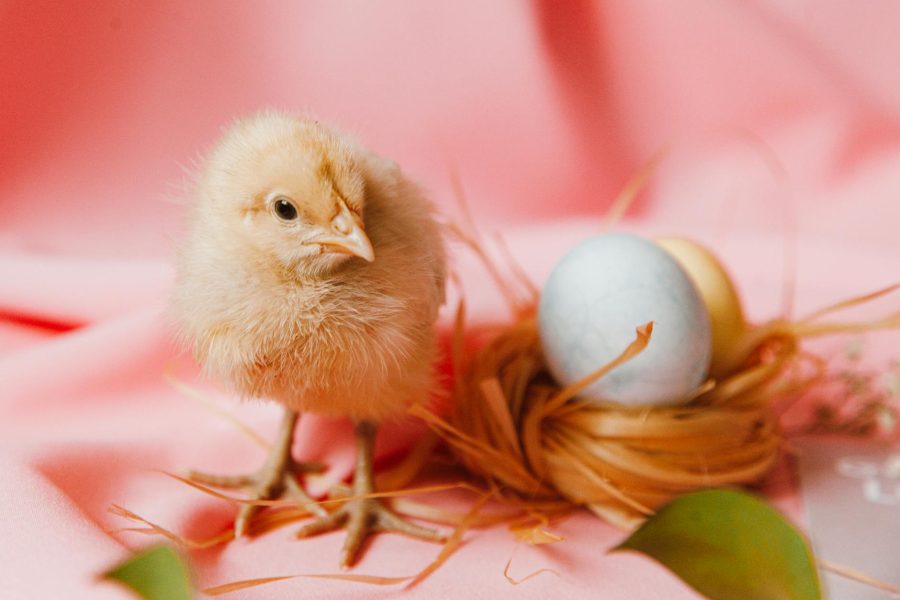
Getting Started with a Chicken Egg Business
If you’re considering starting a chicken egg business, it’s essential to understand the basics and familiarize yourself with the legal considerations and regulations involved. By having a solid foundation in these areas, you can set yourself up for success in the industry.
Understanding the Basics
Before diving into the world of raising chickens for eggs, it’s important to have a clear understanding of the fundamental aspects of the business. This includes knowing the different stages of a chicken’s life, from hatching eggs to adult laying hens. It’s also crucial to have knowledge about the various chicken breeds suitable for egg production, as well as the factors to consider when selecting the right chickens for your business.
To get started, you should have a well-thought-out chicken egg business plan that outlines your goals, budget, marketing strategies, and production targets. This plan will serve as your roadmap as you navigate the challenges and opportunities of the industry.
Legal Considerations and Regulations
When starting a chicken egg business, it’s vital to be aware of the legal considerations and regulations that govern poultry farming in your area. This includes checking local laws, ordinances, and zoning requirements related to owning and raising chickens. Compliance with these regulations is crucial to avoid any legal issues or penalties.
Some common legal considerations include restrictions on the number of chickens allowed, the proximity of the coop to neighboring properties, and proper waste management practices. Additionally, you may need to obtain permits or licenses related to poultry farming, so it’s essential to research and understand the specific requirements in your locality.
By ensuring compliance with legal requirements, you protect yourself, your chickens, and your business. It’s also important to stay updated on any changes or updates to regulations that may impact your operations.
For a detailed guide on how to start a chicken egg business, including legal considerations and regulations, check out our comprehensive chicken egg farming guide. This resource provides valuable insights and practical tips to help you navigate the process of starting and running your own successful chicken egg business.
As you embark on your journey of raising chickens for eggs, understanding the basics and adhering to legal considerations will lay a solid foundation for your business. With proper planning, knowledge, and compliance, you can nurture nature’s bounty and build a thriving chicken egg business.
Selecting the Right Chickens for Egg Production
When starting a chicken egg business, selecting the right chickens is crucial for successful egg production. There are several factors to consider, including breed suitability and individual characteristics. Let’s explore the breeds known for high egg production and the factors to consider when choosing chickens.
Breeds for High Egg Production
Today’s chickens, descendants of the jungle fowl of Southeast Asia, have been genetically selected to lay almost 300 eggs per year, thanks to improved nutrition and genetic selection. This is a significant increase from mature jungle fowl hens, which laid about 12 eggs per year (Poultry Extension).
Here are some popular breeds known for their high egg production:
| Breed | Average Eggs per Year | Egg Color | Characteristics |
|---|---|---|---|
| Ameraucana | 150-200 | Light blue | Curious, friendly, easy to handle, slightly more broody |
| Leghorn | 250-300 | White | Active, hardy, excellent foragers |
| Rhode Island Red | 200-300 | Brown | Dual-purpose breed, adaptable, good for free-range systems |
| Sussex | 250-300 | Light brown | Docile, adaptable, good foragers |
| Plymouth Rock | 200-280 | Brown | Hardy, calm, suitable for various climates |
Figures courtesy The Prairie Homestead
It’s important to note that individual hens within a breed may vary in egg production, so it’s essential to consider other factors as well.
Factors to Consider when Choosing Chickens
When selecting chickens for egg production, there are a few important factors to consider:
-
Egg production: Assess the breed’s average egg production per year. This will give you an idea of how many eggs you can expect from each hen.
-
Egg color: Consider the egg color, as it can be an attractive feature for customers. Different breeds produce eggs of various colors, including white, brown, and even blue.
-
Characteristics: Take into account the temperament, adaptability, and other characteristics of the breed. Some breeds may be more docile and suitable for backyard settings, while others may be better for free-range systems or specific climates.
-
Space requirements: Consider the space available for your flock. Some breeds may require more space than others, so ensure you have enough room to accommodate the number of chickens you plan to raise.
-
Availability: Check the availability of the breed in your area. It’s essential to source chickens from reputable breeders to ensure healthy and genetically sound birds.
Remember, the number of chickens you choose to raise will depend on your specific business goals and space limitations. For optimal egg production, it is recommended to have at least 4 to 6 chickens. Each adult laying hen can produce an average of 4 or 5 eggs per week, depending on the breed. Laying hens are most productive from approximately 6 months old to 2 years old (The Prairie Homestead).
By considering the breed’s egg production, characteristics, and other factors, you can make an informed decision when selecting chickens for your egg business. Ensure the chickens are provided with proper nutrition, a suitable environment, and proper care to maximize their egg-laying potential.
Providing Proper Nutrition for Egg-Laying Hens
To ensure optimal egg production, it is crucial to provide egg-laying hens with a balanced and nutritious diet. Feeding chickens the right nutrients is essential for their overall health and the quality of the eggs they produce. Let’s explore the key considerations when it comes to feeding chickens for optimal egg production.
Feeding Chickens for Optimal Egg Production
Today’s chickens have been genetically selected to lay a significantly higher number of eggs per year compared to their jungle fowl ancestors. Through improved nutrition and genetic selection, modern hens can lay nearly 300 eggs per year, while mature jungle fowl hens laid only about 12 eggs annually (Poultry Extension).
Chickens adjust their feed intake based on the composition of the diet and environmental factors. As the energy content of the diet increases, chickens decrease their feed intake. Additionally, feed intake decreases during hot weather and increases during cold weather to provide extra energy needed to regulate body temperature.
When feeding chickens, it’s important to provide a nutritionally balanced diet that meets their specific needs. Commercially-raised pullets should be fed starter, grower, and developer diets during the growing phase to ensure proper body weight gain and prevent issues in the laying flock. The body weight achieved during the growing phase has a lasting effect on the hen’s productive life (Poultry Extension).
The Role of Balanced Diets and Nutrient Requirements
Laying hens require a completely balanced diet to sustain maximum egg production. Inadequate levels of energy, protein, or calcium can lead to a decline in egg production. It is crucial to provide laying hens with a constant supply of nutritionally balanced layer feed to meet their specific nutrient requirements (EDIS).
Key nutrients for egg-laying hens include:
- Protein: Layer diets should contain at least 14% protein, with 16% protein being more common. Adequate protein levels are essential for continued egg production.
- Calcium: Laying mashes typically contain 2.5% to 3.5% calcium, while growing chickens require only 1.2% calcium to prevent kidney damage. Adequate calcium levels are crucial for the formation of strong eggshells (Poultry Extension).
- Salt, Sodium, and Chlorine: Inadequate intake of these minerals can adversely affect appetite, protein and energy utilization, reproductive performance, and overall bird health.
Grit, such as fine gravel, should be provided when feeding scratch grains to help chickens grind and digest the grains properly, as they do not have teeth. Young, tender plants are a valuable nutrient source for chickens, while old, fibrous plants are not easily digested (Poultry Extension).
It is important to note that as hens age, their productivity may decline after two or three years. Good layers typically lay for about 50 to 60 weeks and then have a rest period called a molt. Older hens and poorer layers may molt more often and lay less consistently (EDIS).
By providing a well-balanced diet that meets the specific nutrient requirements of egg-laying hens, you can ensure optimal egg production and the overall well-being of your flock. Consult with a poultry nutrition expert or veterinarian to develop a feeding program tailored to your specific flock’s needs.
Managing Egg Production and Laying Cycles
To successfully manage egg production and ensure optimal egg-laying cycles in your chicken egg business, it’s important to understand the patterns of egg production and the factors that can affect it.
Understanding Egg Production and Laying Patterns
Egg production in backyard chicken flocks typically begins when the birds reach around 18-22 weeks of age, and it reaches its peak, around 90%, approximately 6-8 weeks later. However, it’s important to note that production gradually declines to about 65% after 12 months of lay.
Laying hens generally have a productive period of about 50 to 60 weeks, after which they may enter a rest period called a molt. During this time, the hens shed their feathers and focus on regenerating new ones. Poorer layers and older hens may molt more frequently and lay less consistently.
Understanding these laying patterns is crucial for proper management of your egg production business. By monitoring the age of your hens and their laying cycles, you can anticipate periods of peak production and plan accordingly.
Factors Affecting Egg Production
Several factors can impact egg production in your flock. It’s essential to consider these factors and take appropriate measures to optimize production levels:
-
Nutrition: Laying hens require a well-balanced diet to sustain maximum egg production. Inadequate levels of energy, protein, or calcium can lead to a drop in egg production. Supplying your hens with a constant supply of nutritionally balanced layer food is crucial. Additionally, inadequate intake of salt, sodium, and chlorine can also negatively affect egg production and overall well-being (EDIS).
-
Lighting: Light plays a significant role in the reproductive performance and day-length requirements of laying hens. Chickens need light to find feed and water, lay eggs, and express their natural behavior. Lighting schedules and light color can influence reproduction and egg production. Day length is particularly important for egg production, and providing appropriate lighting conditions can help optimize production levels.
-
Health and Disease: The health of your hens has a direct impact on their egg-laying capabilities. Common health issues, such as infections, parasites, or deficiencies, can reduce egg production. Implementing preventive measures, such as regular health checks, proper vaccination programs, and good biosecurity practices, can help maintain a healthy flock and minimize the risk of disease outbreaks (EDIS).
By carefully managing these factors, you can optimize egg production and maintain a consistent supply of high-quality eggs in your chicken egg business. Regularly monitoring the health and nutrition of your hens, providing appropriate lighting conditions, and addressing any potential issues promptly will contribute to the success of your egg-laying operation.
Next, we will explore the various aspects of creating an ideal environment for your egg-laying hens, including housing and coop design, temperature control, ventilation, and lighting requirements.
Creating the Ideal Environment for Egg-Laying Hens
To ensure optimal egg production and the well-being of your hens, it’s crucial to create an ideal environment for them. This includes considerations for housing and coop design, as well as temperature, ventilation, and lighting requirements.
Housing and Coop Design
When it comes to housing and coop design, it’s important to provide your egg-laying hens with a comfortable and secure space. The coop should be spacious enough to accommodate the number of chickens you have, allowing them to move around freely. A general rule of thumb is to provide at least 4 square feet of space per hen.
The coop should also have proper ventilation to ensure good air quality. Adequate airflow helps to prevent the buildup of ammonia and excessive moisture, which can lead to respiratory issues and other health problems in the hens. Windows, vents, or exhaust fans can be installed to facilitate proper ventilation.
In addition, the coop should have nesting boxes where the hens can lay their eggs. These boxes should be clean, private, and comfortable, providing a suitable environment for egg-laying. It’s recommended to have one nesting box for every 4-5 hens.
To protect your hens from predators, ensure that the coop is secure and well-fenced. Regular maintenance of the coop is essential to keep it clean and free from pests. Regularly cleaning the coop and replacing bedding helps to maintain a healthy living environment for the hens.
Temperature, Ventilation, and Lighting Requirements
Temperature, ventilation, and lighting are crucial factors for the well-being and productivity of egg-laying hens. Maintaining the right conditions in these areas can help to optimize egg production.
Chickens are sensitive to temperature extremes, so it’s important to provide a comfortable environment. The ideal temperature range for egg-laying hens is between 55°F and 75°F (12°C and 24°C). Insulation and proper ventilation can help regulate the temperature inside the coop. Adequate airflow through windows, vents, or fans helps to prevent heat stress in hot weather and frostbite in cold weather.
Lighting plays a significant role in the reproductive and laying patterns of hens. Chickens require light to find feed and water, engage in natural behaviors, and lay eggs. The right lighting schedule and intensity are important for stimulating egg production. It’s recommended to provide hens with 14-16 hours of light per day to encourage consistent egg-laying.
LED lights have become popular in poultry lighting due to their energy efficiency and ability to provide the desired light spectrum. Chickens have specific light sensitivity and color perception, recognizing color at lower light intensities compared to humans. LED lights with a color temperature of around 4000 Kelvin are an energy-efficient option for poultry lighting (Hendrix Genetics).
Remember to provide a gradual transition between light and darkness to mimic natural lighting conditions. This helps maintain the hens’ natural biorhythm and promotes healthy egg production.
By creating a well-designed housing and coop environment with appropriate temperature, ventilation, and lighting, you can provide your egg-laying hens with the ideal conditions for optimal productivity and overall well-being.
Health and Disease Management for Egg-Laying Hens
Maintaining the health of your egg-laying hens is essential for a successful chicken egg business. This section will discuss common health issues that can affect laying hens and provide preventive measures and biosecurity practices to keep your flock healthy.
Common Health Issues in Laying Hens
Laying hens can be susceptible to various health issues that can impact their egg production and overall well-being. Some common health issues include:
-
Loss of Appetite and Nutritional Imbalances: Inadequate intake of salt, sodium, and chlorine can cause a loss of appetite, affect the utilization of dietary protein and energy, and interfere with reproductive performance in birds (EDIS). To prevent nutritional imbalances, provide laying hens with a nutritionally balanced layer feed that meets their specific nutrient requirements.
-
Drop in Egg Production: Inadequate levels of energy, protein, or calcium in the diet can lead to a drop in egg production. Ensure that your hens receive a constant supply of nutritionally balanced layer food to support maximum egg production. Commercial layer diets typically contain at least 14% protein, with 16% protein being more common. These diets also contain the necessary calcium levels (2.5% to 3.5%) to support eggshell formation.
-
Environmental Factors: Egg production in laying hens can be affected by factors such as feed consumption, water intake, lighting, parasite infestation, disease, and management practices (EDIS). Ensure that your hens have access to clean water, a well-balanced diet, proper lighting conditions, and a clean and comfortable housing environment to minimize stress and optimize egg production.
-
Age-Related Decline: Aging hens may experience a decline in productivity after two or three years. Good layers will lay for about 50 to 60 weeks and then have a rest period called a molt. Poorer layers and older hens may molt more often and lay less consistently (EDIS). It’s important to monitor the productivity of your hens and consider replacing older hens with younger ones when necessary.
Preventive Measures and Biosecurity Practices
To maintain a healthy flock and prevent the spread of diseases, it’s crucial to implement preventive measures and biosecurity practices. Here are some key steps to follow:
-
Vaccination: Consult with a veterinarian experienced in poultry health to determine appropriate vaccination protocols for your flock. Vaccinations can help prevent common diseases such as Marek’s disease and infectious bronchitis.
-
Biosecurity: Establish strict biosecurity protocols to minimize the risk of disease introduction. This includes controlling access to the poultry area, regular disinfection of equipment and facilities, and implementing proper waste management practices. Restricting visitor access and having designated clothing and footwear for farm personnel can also help prevent the introduction of pathogens.
-
Regular Health Checks: Monitor your flock regularly for signs of illness, such as decreased feed intake, abnormal behavior, or changes in egg production. Early detection and prompt treatment can help prevent the spread of diseases within the flock.
-
Parasite Control: Implement a routine parasite control program to prevent infestations and minimize the negative impact on egg production. This may involve regular deworming and external parasite control measures.
-
Good Hygiene Practices: Maintain good hygiene practices, such as providing clean water and feed, regular cleaning and disinfection of coop and equipment, and proper waste management. This helps reduce the risk of disease transmission and promotes overall flock health.
Remember, consulting with a veterinarian who specializes in poultry health is essential for proper disease management and prevention in your egg-laying hens. They can provide guidance tailored to your specific flock’s needs and help ensure the health and well-being of your chickens.
In the next section, we will explore the marketing and selling aspects of your chicken egg business, including finding local markets, packaging, pricing, and promotion strategies.
Marketing and Selling Your Eggs
Once you have successfully established your chicken egg business by following the necessary steps outlined in our chicken egg farming guide, it’s time to focus on marketing and selling your eggs. Building a strong customer base and implementing effective packaging, pricing, and promotion strategies are essential for the success of your business.
Finding Local Markets and Customer Base
When it comes to selling your eggs, targeting local markets is often the best approach. Look for nearby farmers markets, local grocery stores, cafes, and restaurants that prioritize locally sourced products. These establishments provide a direct connection between your farm-fresh eggs and customers who value quality and sustainability.
Engage with your local community by attending farmers markets and establishing relationships with potential customers. Share your story, emphasize the high quality of your eggs, and highlight the benefits of supporting local farmers. Word-of-mouth recommendations can be powerful in attracting new customers, so always strive to provide excellent products and service.
Creating an online presence through social media platforms and a dedicated website can also expand your reach. Use these platforms to showcase your eggs, provide information about your farming practices, and engage with customers. Consider offering online ordering and delivery options to cater to a wider audience.
Packaging, Pricing, and Promotion Strategies
Packaging plays a vital role in attracting customers and conveying the quality of your eggs. Invest in sturdy and visually appealing cartons or containers that protect the eggs during transportation. Clearly label your packaging with your farm’s name, logo, and any relevant certifications or quality assurances.
When determining the pricing for your eggs, consider factors such as production costs, market demand, and competition. Research local egg prices and set a competitive yet profitable price point. Offering various package sizes, such as half-dozen or dozen cartons, can cater to different customer preferences.
Promotion strategies can help raise awareness and generate interest in your eggs. Consider participating in community events, hosting farm tours, or collaborating with local chefs to showcase your eggs in their culinary creations. Offer discounts or promotions during special occasions or seasonal periods to attract new customers and encourage repeat business.
Utilize your online presence to share informative and engaging content about the benefits of consuming fresh, locally sourced eggs. Provide recipes, cooking tips, and nutritional information to educate and inspire your customers. Encourage satisfied customers to leave reviews and testimonials on your website or social media platforms.
By finding local markets and establishing a strong customer base, as well as implementing effective packaging, pricing, and promotion strategies, you can maximize the success of your chicken egg business. Remember to maintain the quality and freshness of your eggs, prioritize customer satisfaction, and continuously adapt your marketing approach to meet the evolving needs and preferences of your target audience.