
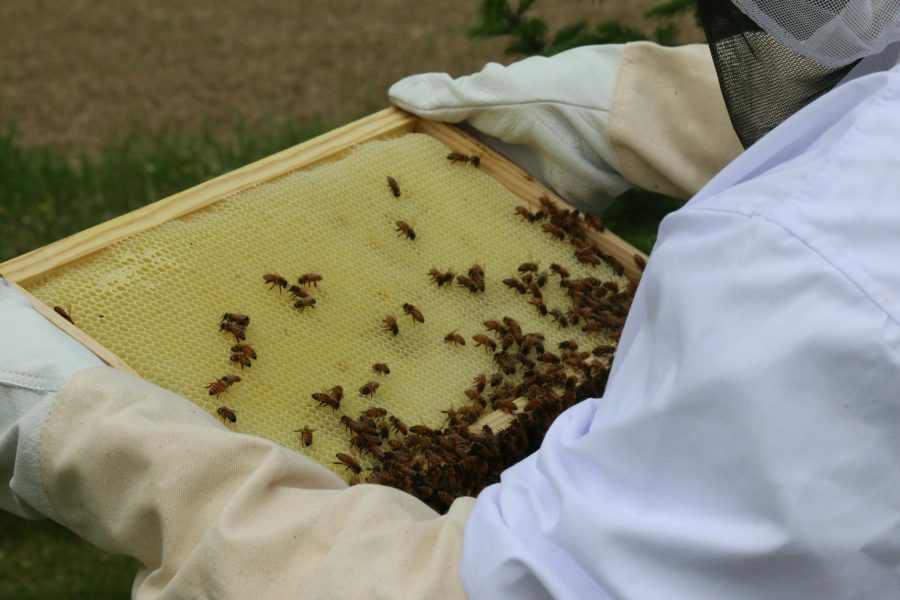
Starting a Honey Bee Business
When venturing into the world of beekeeping, it’s important to understand the key factors involved in starting a successful honey bee business. This section will cover the costs of beekeeping, the importance of nutrition for bee health, and managing pests and diseases.
Costs of Beekeeping
Starting a honey bee business requires some initial investment. The approximate cost of beekeeping in the first year can range from $500 to $700, according to QT Business Solutions. This cost includes essential equipment such as beehives, protective clothing, beekeeping tools, and bees.
In addition to the initial setup costs, operational expenses should also be considered. These may include expenses for more bee boxes, hives, honey extractors, smokers, and other tools necessary for beekeeping. Budgeting around $250 for operational costs is a good starting point.
It’s important to note that the cost of starting a bee farm can vary based on individual preferences and choices. Developing a beekeeping business plan can help you estimate and manage the costs effectively.
Importance of Nutrition for Bee Health
Nutrition plays a vital role in maintaining the health and vitality of honey bees. Well-nourished colonies are better equipped to withstand bee diseases and parasites than poorly nourished colonies. It is crucial to provide honey bees with a diverse and balanced diet to support their overall well-being.
Malnutrition can contribute to the decline of honey bee colonies, potentially leading to Colony Collapse Disorder (CCD). Poor nutrition may compromise the immune system of honey bees, making them more susceptible to diseases and pests. Ensuring that bees have access to a variety of pollen and nectar sources throughout the year is essential for their nutritional needs.
To learn more about bee nutrition and best practices for beekeepers, refer to our article on honey bee farming for beginners.
Managing Pests and Diseases
Controlling pests and diseases is a critical aspect of beekeeping. Varroa mites, in particular, pose a significant threat to bee health. These parasites feed on the haemolymph of honey bees, transmit viruses, and weaken colonies. Effective Varroa control is essential for maintaining healthy honey bee colonies.
Another disease of concern is Nosema ceranae, which is the most prevalent and economically damaging honey bee disease. Nosema can cause serious health problems and, in severe cases, lead to colony death. Implementing disease control measures, such as regular inspections and treatment thresholds, is crucial for managing the health of your bees.
Proper hive maintenance and management practices are also essential for preventing the spread of diseases and maintaining overall hive health. Regularly inspecting hives, cleaning and replacing equipment when necessary, and following best management practices contribute to the health and productivity of honey bee colonies.
By understanding the costs associated with beekeeping, prioritizing nutrition for bee health, and implementing effective pest and disease management strategies, you can lay a solid foundation for a successful honey bee business. Remember to seek guidance from experienced beekeepers and stay updated on the latest research and best practices in the field.
Essential Equipment for Beekeeping
To run a successful beekeeping business, it is crucial to have the essential equipment necessary for hive maintenance and management. Proper equipment maintenance is vital for the health and productivity of honey bee colonies. Additionally, efficient business management practices contribute to the overall success of a beekeeping operation.
Hive Maintenance and Management
The beehive is the most critical piece of equipment for beekeepers. Diligent hive maintenance practices ensure the well-being of the honey bee colonies. This includes regular inspections to monitor the health of the bees, check for signs of disease or pests, and assess the need for additional space or resources. It is also important to maintain a clean and orderly apiary to create a conducive environment for the bees to thrive.
Here are some essential equipment and tools for hive maintenance:
-
Hive Components: This includes the bottom board, brood boxes, honey supers, inner cover, and outer cover. These components provide the structure and space necessary for the bees to build their colony, store honey, and raise brood.
-
Frames and Foundation: Frames hold the beeswax foundation, which serves as a guide for the bees to build their honeycombs. These frames can be easily removed for inspection and honey extraction.
-
Smoker: A smoker is used to produce cool smoke, which helps calm the bees during inspections. This allows beekeepers to work with the bees more safely and efficiently.
-
Beekeeping Suit: A protective suit, including a veil and gloves, is essential for beekeepers to shield themselves from bee stings.
-
Hive Tool: A hive tool is a versatile tool used for prying apart hive components, scraping off excess propolis or wax, and removing frames for inspection.
For a comprehensive list of beekeeping equipment and supplies, refer to our article on beekeeping equipment and supplies.
Business Management Practices
Running a beekeeping business requires efficient business management practices. Beekeepers should approach their operations with professionalism, maintaining good communication, and providing excellent customer service. Here are some essential business management practices for beekeepers:
-
Beekeeping Business Plan: Developing a comprehensive business plan helps beekeepers outline their goals, strategies, and financial projections. It serves as a roadmap for the success of the beekeeping venture. For more information on creating a business plan, refer to our article on how to start a honey bee business.
-
Continued Learning: Beekeepers should stay updated with the latest research, techniques, and best practices in beekeeping. This includes attending workshops, conferences, and joining beekeeping associations to network and learn from experienced beekeepers.
-
Efficient Record-Keeping: Keeping accurate records of hive inspections, honey production, expenses, and sales is essential for tracking the progress and profitability of the business.
-
Marketing and Sales: Developing a marketing strategy and effectively promoting bee products is crucial for generating income. Beekeepers can sell honey, beeswax products, and other bee-related items at local markets, online platforms, or through partnerships with local stores.
-
Industry Involvement: Beekeepers are encouraged to give back to the industry by actively participating in beekeeping associations, sharing knowledge and experiences, and supporting initiatives that promote honey bee health and sustainability.
By investing in essential equipment and implementing efficient business management practices, beekeepers can set themselves up for success in their honey bee business. Proper hive maintenance and professional business strategies are integral to maximizing the productivity and profitability of the operation.
Ways to Generate Income from Beekeeping
Beekeeping is not only a passion but also a potential source of income. Beekeepers can explore various avenues to generate revenue and make their honey bee business profitable. Here are three primary ways to generate income from beekeeping:
Selling Honey and Other Bee Products
One of the primary sources of income for beekeepers is selling honey and other bee products. Honey is a versatile product with high demand in the market. Beekeepers can sell honey in different forms, such as raw honey, flavored honey, or specialty honey varieties. Additionally, they can also offer other bee products like beeswax, pollen, propolis, and royal jelly. Crafted beeswax products, such as candles or ornaments, can also be a source of income for beekeepers (Penn State Extension). Establishing direct sales channels like local farmers’ markets, online platforms, or partnering with local stores can help reach a broader customer base.
Providing Pollination Services
Beekeepers can generate income by providing pollination services to growers. Honey bees play a vital role in pollinating crops, and many farmers rely on rented honey bee colonies for efficient pollination. Beekeepers can rent their hives to growers for pollination services, offering a win-win situation for both parties. Written agreements should be established between beekeepers and growers when renting honey bee colonies for pollination (Penn State Extension). This service can be an important source of income, especially during the pollination seasons of various crops.
Selling Beekeeping Equipment and Services
Beekeepers can also generate income by selling beekeeping equipment and supplies. Aspiring beekeepers and those already in the field often require beekeeping essentials like hives, frames, protective gear, tools, and more. By establishing an online or physical store, beekeepers can cater to the needs of fellow bee enthusiasts and provide them with high-quality equipment and supplies. Additionally, beekeepers can offer services like education and advisory services, bee removal services, or maintaining beehives for others. These additional services can provide an extra stream of income for beekeepers (GroCycle).
To ensure profitability and success in generating income from beekeeping, it’s essential to develop a beekeeping business plan. This plan will help outline the strategies, goals, and financial projections for the honey bee business. It’s also important to consider factors such as location, market demand, and competition while exploring different income-generating opportunities in beekeeping.
Beekeepers can make a respectable income through these various avenues. The average salary for beekeepers in the United States is $47,899 per year, with the potential for profit per hive from selling honey ranging from $300 to $600 per hive per year, depending on honey production and market conditions (GroCycle). By diversifying revenue streams and providing high-quality products and services, beekeepers can unlock the potential for profitability in their honey bee business.
Profitability of Beekeeping
For those considering raising honey bees for profit, it’s important to understand the potential financial aspects of beekeeping. In this section, we will explore the average salary and potential profit of beekeeping, managing multiple hives, and commercial beekeeping opportunities.
Average Salary and Potential Profit
Beekeepers in the United States can earn an average salary of $47,899 per year, with a range of $35,523 to $58,231 depending on experience and location (GroCycle). However, it’s important to note that income can vary based on factors such as honey production, market conditions, and the scale of the beekeeping operation.
The potential profit from selling honey can range from $300 to $600 per hive per year, depending on honey production and market conditions (GroCycle). This figure emphasizes the importance of maintaining healthy and productive colonies to maximize honey yields.
Managing Multiple Hives
Beekeeping can be scaled up by managing multiple hives. While the number of hives an individual can manage depends on their experience, one person can typically handle up to 25 hives as a part-time hobby. An experienced beekeeper focusing on raising honey bees for sale can manage anywhere from 100 to 150 beehives while still having a full-time job.
Managing multiple hives requires proper time management, organization, and a thorough understanding of hive maintenance and management practices. It’s important to have a beekeeping business plan in place to ensure the efficient management of multiple hives.
Commercial Beekeeping Opportunities
For those looking to take beekeeping to a larger scale, commercial beekeeping can offer profitable opportunities. Beekeepers with 300 or more hives are typically considered commercial beekeepers. The global honey market is expected to grow at a compound annual growth rate of 8.2%, indicating potential growth and demand for honey products (GroCycle).
Commercial beekeepers can generate income through various avenues. Apart from selling honey and other bee products, they can also generate revenue by selling beekeeping equipment and supplies, nucleus colonies, package bees, or rearing and selling queens. Additionally, renting hives to growers for pollination services can be a significant source of income for beekeepers (Penn State Extension). It’s crucial for beekeepers engaging in commercial operations to stay informed about market trends, industry regulations, and best practices to ensure success.
Understanding the potential profitability of beekeeping is essential for individuals looking to start a honey bee business. By carefully managing hives, exploring various income-generating opportunities, and staying informed about the industry, beekeepers can maximize their chances of financial success while contributing to the conservation of honey bees and the production of delicious, natural honey.
Location and Placement of Beehives
The location and placement of beehives play a crucial role in the success and productivity of a honey bee business. Proper consideration should be given to factors such as sunlight and shade, wind and weather protection, as well as access to food sources and water.
Sunlight and Shade Considerations
When determining the placement of beehives, it is important to consider sunlight and shade. Bees generally prefer the calm and cool of the shade, but placing beehives in the shade can lead to issues with small hive beetles, mold, diseases, and other pests that can be managed or prevented by sunlight. Most expert beekeepers have found that beehives placed in the sunlight tend to be healthier and more productive (Galenafarms).
In USDA zones 1 through 6, it is recommended to place beehives in full sun. However, in USDA zones 7 through 11, some shade is needed, especially during the hottest part of the day, to prevent bees from overheating. It is important to consider the specific climate and microclimate of your area when determining the ideal level of sunlight and shade for your beehives (Galenafarms).
Wind and Weather Protection
Protecting beehives from strong winds is essential for their well-being. Natural wind barriers such as trees or a house can be utilized to provide protection. Additionally, artificial wind barriers such as bales of hay, fences, or wooden pallets can be created to shield the beehives from strong gusts that may otherwise blow them down. Proper wind protection ensures the stability and safety of the beehives (Galenafarms).
Access to Food Sources and Water
Bees require a nearby food source to conserve energy and be more efficient. Placing beehives in close proximity to nectar and pollen sources allows bees to forage easily, maximizing their productivity. Additionally, providing water sources near the hives is crucial as bees can drink up to a whole gallon per hive on a hot summer day. Ensuring access to food and water helps maintain the health and vitality of the bee colonies (Galenafarms).
Furthermore, it is important to consider the ground underneath the beehives. Bees prefer a dry ground to prevent sinking and becoming unlevel. Ensuring a well-drained area for the beehives helps maintain their stability and functionality.
By carefully assessing the location and placement of beehives, beekeepers can create an environment that promotes the well-being and productivity of their honey bee colonies. Considering factors such as sunlight and shade, wind and weather protection, as well as access to food sources and water, allows beekeepers to optimize the conditions for their bees and ultimately contribute to the success of their honey bee business.
Challenges in Beekeeping
Beekeeping is a rewarding endeavor, but it also comes with its fair share of challenges. As beekeepers aim to raise honey bees for profit, they must address various obstacles that can impact the health and productivity of their colonies. In this section, we will explore some of the key challenges faced by beekeepers: colony collapse disorder (CCD) and bee health, pesticide exposure, habitat loss and climate change, and varroa mites.
Colony Collapse Disorder (CCD) and Bee Health
Colony Collapse Disorder (CCD) is a phenomenon that affects beekeepers worldwide, including in the United States. CCD refers to the sudden and widespread disappearance of entire honey bee colonies. The exact cause of CCD is still not fully understood, but it is believed to result from a combination of factors, including pesticides, habitat loss, and disease. CCD can have devastating effects on bee populations, posing a significant challenge to beekeepers (Quora).
To mitigate the risk of CCD and promote bee health, beekeepers must prioritize practices that enhance the overall well-being of their colonies. This includes providing a nutritious diet, managing pests and diseases, and creating a favorable environment for the bees to thrive.
Pesticide Exposure
Pesticide exposure is another significant challenge faced by beekeepers, particularly in the United States. Certain pesticides used in agriculture can be toxic to bees, weakening their immune systems and making them more susceptible to diseases and other stressors. Pesticide residues can accumulate in the beeswax and honey, posing a risk to the entire colony (Quora).
To minimize pesticide exposure, beekeepers should carefully select apiary locations away from areas with heavy pesticide use. They should also communicate with nearby farmers and ensure proper coordination to reduce the risk of pesticide drift. Regular monitoring of pesticide levels in beeswax and honey can provide valuable insights into the potential risks and enable appropriate mitigation measures.
Habitat Loss and Climate Change
The loss of natural habitats is a significant challenge faced by beekeepers in the United States. As urbanization and agricultural expansion continue, bees are losing access to diverse food sources and suitable nesting sites. This loss of habitat limits their ability to thrive and can lead to a decline in their populations.
Furthermore, climate change poses additional challenges for beekeepers. Altered weather patterns and rising temperatures can affect the timing and availability of flowering plants, which are essential sources of nectar and pollen for bees. Changes in rainfall patterns can also impact the availability of water sources for the bees. These disruptions can lead to decreased forage and nutritional stress for the colonies, affecting their overall health and productivity.
To address habitat loss and climate change challenges, beekeepers can promote conservation efforts, such as planting diverse flowering plants and creating bee-friendly habitats. They can also adapt their beekeeping practices to account for changing environmental conditions and ensure the availability of food and water sources for their colonies.
Varroa Mites
Varroa mites are parasitic mites that infest honeybees and can cause significant damage to colonies. These mites weaken the bees and make them more susceptible to diseases and other stressors. Varroa mite infestations can lead to colony losses if not properly managed. Beekeepers face the ongoing challenge of monitoring and controlling varroa mite populations to protect the health and productivity of their colonies.
To manage varroa mite infestations, beekeepers employ various strategies, including chemical treatments, integrated pest management (IPM) practices, and breeding bees with varroa-resistant traits. Regular monitoring and timely intervention are crucial for minimizing the impact of varroa mite infestations on bee health and colony survival.
By understanding and addressing these challenges, beekeepers can work towards raising healthy and productive honey bee colonies while contributing to the sustainability of bee populations. It is essential to stay informed about the latest research and best practices in beekeeping to effectively manage these challenges and ensure the long-term success of a honey bee business.
Organic Beekeeping Management System
In recent years, organic beekeeping has gained popularity due to its focus on sustainable practices and the health of honey bees. An organic beekeeping management system involves utilizing organic practices and integrated pest management (IPM) techniques to promote the well-being of the bees and the quality of the honey they produce. Let’s explore the benefits of organic beekeeping, the organic practices involved, and the treatment thresholds and timing for maintaining healthy colonies.
Benefits of Organic Beekeeping
Organic beekeeping offers several benefits for both the bees and beekeepers. By avoiding the use of synthetic chemicals, organic beekeepers create a healthier environment for the bees and reduce the risk of contamination in their hives. Some key benefits of organic beekeeping include:
- Promoting bee health: Organic practices help maintain the overall health and vitality of honey bees, leading to stronger and more productive colonies.
- Protecting the environment: By avoiding the use of synthetic chemicals, organic beekeeping minimizes the impact on the surrounding ecosystem and reduces the risk of chemical residues in honey and beeswax.
- Producing high-quality honey: Organic honey is highly regarded for its purity and natural flavors, making it a sought-after product in the market.
Organic Practices and Integrated Pest Management
In an organic beekeeping management system, organic practices play a crucial role in maintaining the health of honey bee colonies. These practices focus on:
- Feeding colonies: Organic beekeepers often use Pro-Sweet, an invert syrup, as a feeding supplement to provide necessary nutrients to the bees.
- Drone brood removal: Regular removal of drone brood helps manage Varroa mite populations, as these mites tend to prefer drone brood cells for reproduction.
- Solid bottom boards: Solid bottom boards are used to reduce the presence of Varroa mites in the hive, as they interfere with the mites’ ability to reproduce.
- Integrated pest management (IPM): IPM techniques combine cultural, mechanical, biological, and chemical controls to manage pests and diseases. This approach prioritizes prevention and the use of non-toxic methods before resorting to chemical treatments.
Treatment Thresholds and Timing
In an organic beekeeping management system, treatment thresholds and timing are crucial for maintaining the health of honey bee colonies. The treatment thresholds indicate when it is necessary to intervene and apply treatments to control Varroa mite infestations. Here are some guidelines based on the Penn State study:
- Treatment threshold: A treatment threshold of four mites in an alcohol wash, exceeding 1 percent infestation, triggers the need for a mite treatment.
- Apiary-wide treatment: If one colony in an apiary reaches the treatment threshold, all colonies in the apiary receive treatment. This approach helps prevent the spread of mites between colonies.
Regarding treatment timing, the organic management system for honey bees involves specific treatments at different times of the year:
- Spring: Oxalic acid treatment is commonly applied in spring to control Varroa mites.
- Summer: Formic acid treatment is often used during summer months to manage mites.
- Mid-August: A treatment is applied to all colonies in mid-August to further control mite populations.
- Late fall: Additional treatments may be necessary in late fall if mite thresholds are exceeded.
By following these treatment thresholds and timing guidelines, organic beekeepers can effectively manage Varroa mite infestations while adhering to organic principles.
Implementing an organic beekeeping management system requires dedication and attention to detail. However, the benefits to the bees, the environment, and the quality of honey make it a rewarding choice for beekeepers who prioritize sustainability and the well-being of their colonies.