Starting a Cake Making Business
If you have a passion for cake making and dream of turning your hobby into a successful business, it’s essential to understand the key steps involved. The bakery industry is growing rapidly, with both small businesses and large chains seeing success, driven by factors such as the rise in popularity of artisanal and specialty bread and the increasing demand for gluten-free products (RedFork Marketing). By following the right steps, you can increase your chances of starting a thriving cake making business.
The Growing Bakery Industry
Before diving into the specifics of starting a cake making business, it’s crucial to recognize the growth and potential of the bakery industry. The demand for delicious and visually appealing baked goods continues to rise, driven by consumers’ desire for quality and unique products. To stay competitive in this industry, it’s important to stay up-to-date on current trends and use various marketing tactics to showcase your unique offerings (RedFork Marketing). By understanding the competition and evaluating their strengths and weaknesses, you can identify market gaps and develop a bakery marketing strategy that sets you apart.
Understanding the Target Market
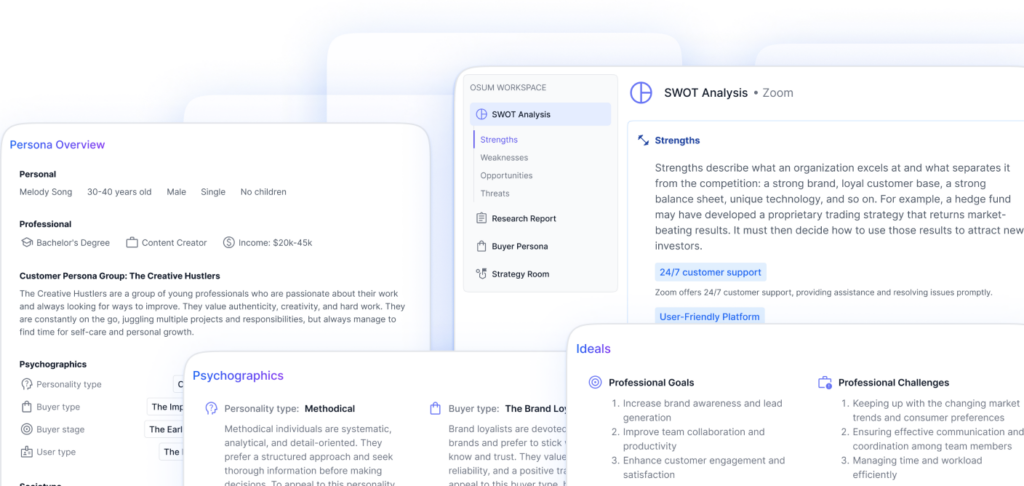
To effectively market your cake making business, it’s crucial to have a clear understanding of your target market. This involves developing a buyer persona, which includes demographics, spending habits, and pain points (RedFork Marketing). By knowing who your ideal customers are, you can tailor your products, branding, and marketing efforts to appeal to them specifically. Conducting market research and analyzing customer preferences can provide valuable insights into what your target market is looking for in a cake.
By creating a strong brand personality that reflects the quality of your products and conveys your passion for baking, you can attract more customers and build brand loyalty (RedFork Marketing). Craft a unique selling proposition that sets your cake making business apart from competitors, whether it’s through the use of high-quality ingredients, innovative flavors, or personalized cake designs. Engage in online promotions, build an active online presence, and leverage social media platforms to showcase your cakes and engage with potential customers.
To kick-start your cake making business, it’s important to develop a comprehensive business plan that outlines your goals, target market, financial projections, and marketing strategies. This plan will serve as a blueprint to guide you through the process of opening and operating your business and can be useful when seeking funding or investment (BAKING.ca).
Starting a cake making business involves various considerations, including selecting a suitable location, acquiring necessary licenses and permits, managing human resources, and setting menu prices. By carefully planning and executing each step, you can lay a solid foundation for your cake making business to thrive in the competitive bakery industry.
For more information on starting a cake making business, check out our cake making business plan and cake making business tips articles.
Essential Equipment for Cake Making
When starting a cake making business, having the right equipment is essential for achieving professional results. Here are some key pieces of equipment that every cake maker should have in their arsenal:
Mixing Bowls
Mixing bowls in different shapes and sizes are essential for blending dry and wet ingredients when baking a cake. Stainless steel bowls are recommended for their lightweight and non-absorbent qualities. Having a variety of sizes allows you to accommodate different recipe quantities and ensures thorough mixing of ingredients.
| Type | Price Range |
|---|---|
| Set of 3 Mixing Bowls | £15 – £18 |
Price figures courtesy of One Education
Kitchen Scales
Good quality kitchen scales, either digital or analogue, are necessary for precise measurements of ingredients in order to achieve light and spongy cakes. Accurate measurements of ingredients are crucial for consistent results. Kitchen scales can range in price, with both affordable and more advanced options available.
| Type | Price Range |
|---|---|
| Kitchen Scales | £8 – £28 |
Price figures courtesy of One Education
Whisks and Hand Mixers
A whisk is a versatile tool used to mix ingredients and incorporate air into the mixture, creating a smooth texture. It is commonly used to whip egg whites into a firm foam or cream butter and sugar together. Whisks typically consist of a long handle with wire loops at the end. For larger quantities or more convenience, a hand mixer can be used. Hand mixers offer multiple speed levels and various attachments for different tasks.
| Type | Price Range |
|---|---|
| Whisk | £3 – £4 |
| Hand Mixer | £108 (varies based on features) |
Price figures courtesy of One Education
Having these essential equipment for cake making ensures that you can efficiently and accurately measure and mix your ingredients. Investing in high-quality tools will contribute to the success of your cake making business. As you progress, you may consider expanding your equipment collection to include specialized tools based on your specific needs and recipes.
Tools for Precise Measurements
When it comes to cake making, precise measurements are essential for achieving consistent and delicious results. Investing in the right tools for precise measurements is crucial for accuracy and ensuring the perfect balance of ingredients in your recipes. Two essential tools for precise measurements in cake making are measuring cups and spoons, as well as measuring tools for dry and wet ingredients.
Measuring Cups and Spoons
Measuring cups and spoons are versatile tools that can be used for various baking tasks. They allow you to accurately measure both dry and liquid ingredients. Investing in a set of measuring cups and spoons is highly recommended for accurate measurements and consistent results.
Measuring cups come in different sizes, typically ranging from 1/4 cup to 1 cup. They are usually made of plastic, stainless steel, or porcelain. Stainless steel measuring cups are a popular choice due to their durability and ease of cleaning. Plastic measuring cups are a more affordable option, while porcelain measuring cups offer a more elegant look.
Measuring spoons are used for smaller measurements, such as teaspoons and tablespoons. They also come in different sizes and materials, including plastic and stainless steel. It’s important to have a variety of sizes to ensure precise measurements for different ingredients.
| Tool | Price Range (Approx.) |
|---|---|
| Measuring Cups (Set of 4) | £12 – £30 |
| Measuring Spoons (Set of 6) | £3 – £6 |
Figures courtesy One Education
Measuring Tools for Dry and Wet Ingredients
To accurately measure dry and wet ingredients, additional measuring tools are necessary. These tools include liquid measuring cups and kitchen scales.
Liquid measuring cups are designed specifically for measuring liquids. They typically have a spout for easy pouring and clear markings for precise measurements. Liquid measuring cups come in various sizes, such as 1 cup, 2 cups, and 4 cups, allowing you to measure different volumes accurately.
Kitchen scales are essential for measuring dry ingredients by weight. They provide precise measurements that are especially important for achieving light and spongy cakes. Kitchen scales are available in both digital and analogue versions, and the price range varies depending on the features and quality.
| Tool | Price Range (Approx.) |
|---|---|
| Liquid Measuring Cup | £5 – £12 |
| Kitchen Scale | £8 – £28 |
Figures courtesy BlueCart
By having these measuring tools in your cake making arsenal, you can ensure accurate measurements and consistent results in your recipes. Remember to follow the recipe instructions closely and measure ingredients carefully to achieve the desired texture and taste in your cakes.
Preparatory Tools and Equipment
To ensure the success of your cake making business, it’s essential to have the right preparatory tools and equipment. These tools assist in the initial preparation of baking ingredients, ensuring consistency and quality in your baked goods. Here are some essential tools for the preparatory stage of cake making:
Flour Sifters and Pastry Brushes
Flour sifters play a crucial role in cake making. They help remove lumps from flour and aerate it, resulting in a lighter and fluffier cake. By passing the flour through a sifter, you can ensure that it is evenly distributed and free of clumps. Pastry brushes, on the other hand, are used for applying glazes, egg washes, or butter to baked goods. They allow for precise and even distribution, enhancing the appearance and flavor of your cakes.
Cake Tester Needles and Baking Paper
Cake tester needles are indispensable tools for every cake maker. They are used to check if a cake is fully baked by inserting the needle into the center and ensuring it comes out clean. This ensures that your cakes are perfectly baked and not undercooked or overcooked. Baking paper, also known as parchment paper, is essential for lining cake pans and preventing sticking. It creates a non-stick surface, allowing your cakes to easily release from the pans without breaking or tearing.
Pastry Mats and Cooling Racks
Pastry mats are versatile tools that serve multiple purposes in cake making. They provide a non-stick surface for rolling out dough, making it easier to handle and preventing it from sticking to your work surface. Pastry mats can also be used for measuring and cutting, ensuring precise dimensions for your cake layers. Cooling racks are crucial for allowing your cakes to cool evenly. By elevating the cakes off the countertop, cooling racks facilitate proper air circulation, preventing the bottoms from becoming soggy.
By having these preparatory tools and equipment in your cake making arsenal, you can ensure efficiency, precision, and high-quality results. They are indispensable for the initial stages of cake making, helping you create a solid foundation for your business.
For more information on how to start a cake making business, including developing a business plan, selecting a suitable location, and acquiring necessary licenses and permits, visit our article on starting a cake making business.
Cutting Tools for Shaping and Cutting
When it comes to cake making, having the right cutting tools is essential for shaping and cutting dough. These tools enable creative cake designers to bring their visions to life. Let’s explore some of the cutting tools that are commonly used in cake making.
Graters and Pastry Blenders
Graters and pastry blenders are versatile tools that can be used in various stages of cake making. Graters, which come in different types such as box graters, allow you to grate ingredients like chocolate, citrus zest, or even nuts to add texture and flavor to your cakes. Pastry blenders, typically made of stainless steel, are perfect for blending cold butter or shortening into flour, creating a crumbly texture for pie crusts and pastry dough.
Cookie Cutters and Dough Cutters
Cookie cutters and dough cutters are indispensable tools for cake decorators. They come in a wide range of shapes and sizes, allowing you to create intricate designs and cutouts for cookies, cake toppers, and decorative elements. Plastic cookie cutters are popular for their ease of use and versatility, while metal cutters provide durability for repeated use.
Pastry Cutting Wheels and Knives
Pastry cutting wheels and knives are indispensable for precise cutting and shaping in cake making. Pastry cutting wheels, also known as pastry or pizza cutters, are handy for dividing dough into even strips or creating decorative patterns. Knives, both serrated and non-serrated, are essential for cutting through layers of cake, leveling cakes, or adding intricate details.
By utilizing these cutting tools, cake makers can shape and cut dough with precision, bringing their cake designs to life. It’s important to select high-quality tools that suit your specific needs and preferences. Experimenting with different cutting techniques and tools can help you develop your own unique cake making style.
For more tips and insights on starting a cake making business, check out our article on cake making business tips.
Cake Making and Decorating Tools
When it comes to cake making and decorating, having the right tools is essential for achieving professional results. In this section, we will discuss two important tools: cake turntable stands and cake boards, as well as cake levelers and cake spatulas.
Cake Turntable Stands and Cake Boards
Cake turntable stands and cake boards are essential tools for cake making and decorating. These tools provide a stable surface for working on cakes and allow for easy rotation, ensuring even frosting and smooth decorations. The turntable stand allows the cake to be easily turned and rotated, making it convenient to access all sides of the cake while decorating. Cake boards, on the other hand, provide a sturdy base for the cake and make it easier to transport.
Using a cake turntable stand and cake board provides several benefits. Firstly, it allows for precise and controlled movements when spreading frosting, ensuring smooth and even coverage. It also enables decorators to reach all angles of the cake without having to move around, making the decorating process more efficient. Additionally, it helps achieve a visually appealing presentation of the cake.
Cake Levelers and Cake Spatulas
Cake levelers are indispensable tools for creating even and level cake layers. These tools help in achieving consistent height and uniformity in cakes, making it easier to stack and decorate them. By using a cake leveler, you can ensure that your cake layers are evenly cut, resulting in a professional-looking finished product.
Cake spatulas, on the other hand, are versatile tools used for spreading frosting, smoothing surfaces, and creating decorative patterns on cakes. Available in different sizes and shapes, such as offset spatulas and straight spatulas, they allow for precise and controlled movements. Whether you’re spreading buttercream, ganache, or royal icing, a cake spatula is essential for achieving smooth finishes and clean lines.
By using cake turntable stands, cake boards, cake levelers, and cake spatulas, you can enhance your cake making and decorating skills. These tools provide stability, precision, and control, enabling you to create visually stunning cakes that are sure to impress. To learn more about starting a cake making business, including business plans and tips, be sure to explore our other articles.
Key Steps to Starting a Cake Making Business
Starting a cake making business requires careful planning and consideration of several key steps. From developing a business plan to setting menu prices, each step plays a crucial role in ensuring the success of your venture.
Developing a Business Plan
Having a business plan is essential when starting a cake making business. It serves as a blueprint that outlines your goals, strategies, and financial projections. A well-crafted business plan helps you understand the market, identify your target audience, and analyze your competition. It also aids in sourcing funding and ensures that your ideas are sound and your budgetary needs are understood.
Selecting a Suitable Location
Selecting a suitable location is vital for the success of your cake making business. Considerations such as retail leasing costs, parking availability, foot traffic, and zoning requirements should be taken into account when choosing a location (BAKING.ca). Assessing the demographics and preferences of your target market can also help you determine the best location to maximize your reach and potential sales. Additionally, ensure that the premises meet all necessary requirements and have adequate utilities.
Acquiring Necessary Licenses and Permits
Understanding and obtaining the necessary licenses and permits is a critical step when starting a cake making business. This includes applying for building and health permits, financial reporting, and complying with local rules and regulations. It is important to do thorough research to ensure you are aware of all the legal requirements and obtain the appropriate licenses and permits to operate your business legally (BAKING.ca). This ensures that you can focus on running your business without any legal complications.
Managing Human Resources
Proper management of human resources is essential for a successful cake making business. This involves hiring, training, and retaining the right staff to help with production and sales. A happy and productive workforce is crucial for maintaining high-quality products and excellent customer service. Ensure that your human resources management practices align with labor laws and prioritize creating a positive work environment.
Setting Menu Prices
Setting the right menu prices is a delicate balance between affordability for customers and covering your operational costs to maintain profitability. Consider the cost of ingredients, labor, overhead expenses, and desired profit margins when determining your pricing strategy. Conduct market research to understand the pricing trends in the industry and analyze your competition. By setting competitive prices, you can attract customers while ensuring that your business remains financially viable (Toast).
By following these key steps, you can lay the foundation for a successful cake making business. Remember to constantly evaluate and adapt your strategies based on market trends and customer feedback. With careful planning and execution, your cake making business can thrive in the competitive bakery industry.
Pricing Strategies for Cake Businesses
Determining the right pricing strategy is essential for the success of a cake making business. While there are various pricing strategies available, let’s explore three common approaches: food cost percentage pricing, factor pricing and gross profit margin pricing, and three-tier pricing and combo pricing.
Food Cost Percentage Pricing
Food cost percentage pricing is a straightforward method that calculates the selling price of a cake based on the cost of ingredients used. The food cost percentage is the ratio of the ingredient cost to the selling price. This method ensures that the cost of ingredients is covered while allowing for a reasonable profit margin.
To determine the selling price using the food cost percentage pricing method, follow these steps:
- Calculate the total cost of the ingredients used in the cake.
- Determine the desired food cost percentage. This is typically between 25% and 40% of the selling price, depending on factors such as market competition and the quality of ingredients.
- Divide the ingredient cost by the food cost percentage to calculate the selling price.
Food cost percentage pricing is a popular method among bakers starting in the baking industry, as it provides a clear and straightforward approach to pricing their products. However, it’s important to consider other factors such as overhead costs, labor, and desired profit margin when setting prices.
Factor Pricing and Gross Profit Margin Pricing
Factor pricing and gross profit margin pricing take into account not only the cost of ingredients but also other expenses associated with running a cake making business. These methods consider overhead costs, labor, and desired profit margin, in addition to the cost of ingredients.
To determine the selling price using factor pricing and gross profit margin pricing, follow these steps:
- Calculate the total cost of ingredients, overhead costs, and labor.
- Determine the desired gross profit margin percentage. This is typically between 30% and 50% of the selling price, depending on factors such as market demand and competition.
- Divide the total cost by (1 – gross profit margin percentage) to calculate the selling price.
By incorporating overhead costs and labor into the pricing calculation, factor pricing and gross profit margin pricing provide a more comprehensive approach to setting prices. These methods ensure that all expenses are covered, including indirect costs associated with running the business.
Three-Tier Pricing and Combo Pricing
Three-tier pricing and combo pricing strategies offer flexibility and options to customers while maximizing profitability for the cake making business. These strategies involve offering different price points and package options to cater to varying customer preferences and budgets.
In three-tier pricing, cakes are categorized into three tiers based on complexity, ingredients used, and design intricacy. Each tier is priced differently, allowing customers to choose a cake that fits their budget and requirements. This strategy helps attract a wider range of customers and increases the potential for upselling.
Combo pricing involves bundling additional products or services with the cake to create value for the customer. For example, offering a cake and a dozen cupcakes at a discounted price or including delivery and setup services with a wedding cake. Combo pricing encourages customers to purchase more items and increases the overall revenue for the business.
By implementing three-tier pricing and combo pricing, cake businesses can cater to different customer segments and maximize their revenue potential.
When determining the pricing strategy for a cake making business, it’s important to consider factors such as ingredient costs, overhead expenses, labor, desired profit margin, market demand, and competition. Experimenting with different strategies and monitoring customer response will help refine the pricing approach over time. Remember, pricing is not a one-size-fits-all solution, so it’s crucial to adapt and adjust based on the unique circumstances of your cake making business.
Marketing Strategies for Cake Businesses
When starting a cake making business, it’s essential to develop effective marketing strategies to attract customers and build a strong brand presence. By understanding the target market and utilizing various marketing tactics, cake businesses can position themselves for success. Here are some key marketing strategies to consider:
Creating a Strong Brand Personality
In the competitive bakery industry, it’s crucial for cake businesses to establish a strong brand personality that resonates with their target audience. By crafting a unique brand identity that reflects the quality of their products and conveys their passion for baking, cake businesses can differentiate themselves from competitors. This can be achieved through consistent branding elements such as logo design, color schemes, and messaging. Building a strong brand personality helps to create a lasting impression and foster customer loyalty.
Showcasing Unique Flavors
To stand out in the market, cake businesses should showcase their unique flavors and offerings. Offering samples of these flavors can be beneficial for customers’ purchasing decisions, as they can experience the taste and quality firsthand. By highlighting the distinct and delicious flavors of their cakes, businesses can attract customers who are seeking something different and memorable.
Understanding Customer Preferences
Understanding customer preferences is crucial for the success of a cake business. By conducting market research and gathering customer feedback, businesses can gain insights into what their target audience desires. This includes understanding their spending limits, flavor preferences, dietary restrictions, and occasions for which they purchase cakes. By tailoring products and marketing efforts to customer preferences, businesses can enhance customer satisfaction and increase sales.
Engaging in Online Promotions
In today’s digital age, online promotions play a vital role in attracting customers to cake businesses. Engaging with customers through social media platforms like Instagram, Facebook, and Pinterest can increase visibility and create brand awareness. Running campaigns, contests, and encouraging customers to share their cake experiences on social media can generate buzz and attract new customers. Online promotions also provide opportunities to showcase cake designs, special offers, and seasonal promotions.
Building an Online Presence
Building an online presence is essential for cake businesses to reach a wider audience and increase sales. Creating a dedicated website or cake ordering app allows customers to conveniently browse and order cakes from the comfort of their homes. Online platforms enable businesses to showcase their portfolio, display cake designs, and provide information about pricing, delivery options, and contact details. Building a user-friendly and visually appealing online presence can significantly expand a cake business’s reach and customer base.
By implementing these marketing strategies, cake businesses can effectively promote their unique offerings, connect with their target audience, and establish a strong brand presence. Remember, marketing efforts should be tailored to the specific needs and preferences of the target market to achieve the best results.
Legal Requirements for Starting a Bakery Business in the US
Before diving into the world of cake making and starting your own bakery business, it’s essential to understand the legal requirements involved. These requirements vary by location, but here are some common legal steps to consider when starting a bakery business in the US:
Obtaining a Business License
To open and operate any kind of business in the United States, including a bakery, you will need to obtain a business license. This license grants you legal permission to operate your bakery in your city and state, allowing you to buy and sell goods, hire staff, and more. The specific licensing requirements and fees can vary depending on your location, so it’s important to research and comply with the regulations set by your local government. For more detailed information, you can visit our article on cake making business licenses and permits.
Acquiring an Employee Identification Number (EIN)
Every business in the United States needs to have an Employee Identification Number (EIN) to operate legally. An EIN is essentially a tax ID number assigned by the IRS. It is used for tax purposes and is required when hiring employees, filing taxes, and opening a business bank account. You can apply for an EIN online through the IRS website or by mail. For more information on acquiring an EIN, please refer to our article on cake making business licenses and permits.
Applying for a Resale Permit
If you plan to purchase wholesale goods or inventory for your bakery, you may need to apply for a resale permit. This permit allows you to make these purchases without paying sales tax upfront. Instead, the sales tax is collected when your customer purchases the product. The specific requirements for a resale permit may vary by state, so it’s important to check with your local tax authority or department of revenue. For further details, refer to our article on cake making business licenses and permits.
Obtaining a Food Handler’s Permit
A food handler’s permit is an important requirement for operating a bakery. This permit certifies that you and your employees have completed a food safety course approved by your state or county health department. It ensures that you have the necessary knowledge and understanding of proper food handling and safety practices. Depending on your location, employees who directly handle food may also be required to obtain their own food handler’s permits. To learn more about obtaining a food handler’s permit, please refer to our article on cake making business licenses and permits.
Securing a Building Health Permit
A building health permit is typically required for businesses that cook and sell food to the public. This permit ensures that the building where your bakery operates meets safety and sanitation regulations. It is usually overseen by the state or county health department and involves periodic inspections to ensure compliance. The specific requirements for a building health permit can vary depending on your location, so it’s important to check with your local health department for the necessary steps and guidelines. Additional information can be found in our article on cake making business licenses and permits.
By understanding and fulfilling these legal requirements, you can lay a solid foundation for your cake making business. It’s crucial to research and comply with the specific regulations in your area to ensure that your bakery operates legally and safely. For more tips and insights on starting a cake making business, you can refer to our articles on cake making business ideas, starting a cake making business from home, and cake making business tips.