Starting an Online Clothing Store
In today’s digital age, the potential of online fashion is immense. The convenience and accessibility of online shopping have transformed the way people buy clothing. However, the fashion industry also faces key challenges that aspiring online clothing store owners need to be aware of.
The Potential of Online Fashion
The revenue in the ecommerce fashion segment is projected to reach a staggering US$19.69 billion by 2022 in India alone, with continued growth projected beyond that (Eshopbox). In the United States, online apparel sales already make up 46% of all apparel sales, and the market is expected to reach $295.7 billion by 2025. These statistics highlight the immense opportunity that exists in the online fashion industry.
Starting an online clothing store offers several advantages over traditional brick-and-mortar stores. The initial investment required is typically lower compared to setting up a physical store, which can cost between $50,000 to $150,000 (BigCommerce). Online stores also provide the advantage of faster setup time, allowing entrepreneurs to establish their business quickly and start generating revenue.
Furthermore, online clothing stores have the potential to reach a wider audience. With effective marketing strategies and a well-designed website, you can attract customers from all over the world, expanding your customer base beyond geographical limitations. Embracing an omnichannel commerce approach, which connects both online and physical channels, can further enhance the customer experience and boost revenue.
Key Challenges in the Fashion Industry
While the online fashion industry presents significant opportunities, it also poses challenges that entrepreneurs must navigate. Fierce competition is one such challenge, as more brands enter the market, making it increasingly difficult to stand out and attract customers. To succeed, you need to differentiate your brand through unique value propositions, exceptional customer service, and effective marketing strategies.
Another challenge is the high rate of product returns. In the fashion category, return rates range from 25-35% in India, which can increase to 40% during sales events. Reasons for returns often include issues like wrong sizes ordered by customers or products not matching the description (Eshopbox). Implementing accurate size charts, detailed product descriptions, and providing excellent customer support can help minimize returns and enhance customer satisfaction.
The fashion industry is also undergoing a significant shift towards sustainability. Customers are increasingly demanding accountability and responsibility from businesses, with a focus on environmental impact. To adapt, online clothing stores need to prioritize sustainability practices, such as ethical sourcing, eco-friendly packaging, and transparent supply chains. Embracing these values can help build trust with environmentally conscious consumers.
By understanding the potential of online fashion and being aware of the key challenges in the industry, you can better prepare yourself when starting an online clothing store. With a solid business plan, effective marketing strategies, and a customer-centric approach, you can navigate the competitive landscape and create a successful online fashion brand.
Setting Up Your Online Garment Business
When starting an online garment business, there are several key steps involved in setting up your store. These include registering your business, sourcing products for your store, and considering the option of manufacturing your own products.
Registering Your Business
To establish your online clothing store as a legal entity, it’s essential to register your business. This ensures that you comply with the necessary regulations and protect your brand. The process of registering your business varies depending on your location. You can choose to register through your state’s Secretary of State office, which typically involves a state filing fee. Alternatively, you can use services like BetterLegal or Inc Authority, which offer assistance with the registration process for an additional fee (Forbes).
Sourcing Products for Your Store
Before launching your website, it’s recommended to source products for your online garment business. Finding reliable suppliers can be a time-consuming process, so starting this step early is crucial. Consider your target market and the type of clothing you want to offer. Research and reach out to potential suppliers, assessing factors such as product quality, pricing, and shipping options. Building strong relationships with suppliers is essential for the success of your online store (Forbes).
Manufacturing Your Own Products
Another option to consider is manufacturing your own products. This approach provides greater control over the design, quality, and uniqueness of your clothing. However, it also requires substantial investment and time. To set up a production line, you’ll need to find a manufacturer and acquire the necessary production equipment. This process can be expensive and may involve additional considerations such as hiring skilled labor, managing production timelines, and ensuring product consistency.
By registering your business, sourcing products, and considering the manufacturing option, you can lay the groundwork for your online garment business. Each step requires careful planning and research to ensure a solid foundation for your operations. Remember to keep your target market and brand identity in mind throughout the process, as these aspects will shape the direction and success of your online clothing store.
Next, we will explore the costs associated with starting an online clothing store, providing insights into the initial investment required and the factors that can affect costs.
The Cost of Starting an Online Clothing Store
When venturing into the world of online garment business, one of the crucial factors to consider is the cost involved in starting your own online clothing store. Understanding the initial investment required and the factors affecting costs can help you plan and budget effectively.
Initial Investment
Compared to traditional brick-and-mortar stores, starting an online clothing store typically requires a lower initial investment. According to BigCommerce, opening a physical store can cost between $50,000 to $150,000. On the other hand, the cost of starting an online clothing store can range from $2,000 to $5,000 for most businesses, depending on various factors such as manufacturing or dropshipping products, the number of products to sell, and marketing efforts.
Setting up an online store involves costs such as domain registration, website development, and hosting. Additionally, you may need to invest in inventory, photography equipment, packaging materials, and shipping supplies. It’s important to carefully assess your business needs and allocate your budget accordingly.
Factors Affecting Costs
Several factors can influence the overall cost of starting an online clothing store. These factors include:
-
Sourcing Products: Before creating your website, it is recommended to source products since finding suppliers can take a significant amount of time (Forbes). Depending on your business model, you may choose to manufacture your own products or explore dropshipping options. Manufacturing your own products involves finding a manufacturer, setting up production equipment, and ensuring quality control. Dropshipping, on the other hand, allows you to sell products without the need to handle inventory directly.
-
Number of Products: The number of products you decide to offer in your online store can impact costs. A larger product catalog may require more inventory, storage space, and photography resources. It’s important to strike a balance between offering enough variety to attract customers and managing costs effectively.
-
Marketing Efforts: Marketing is essential for promoting your online clothing store. Consider allocating a portion of your budget to various marketing strategies, including social media advertising, influencer collaborations, search engine optimization, and email marketing. The amount you spend on marketing can vary based on your target audience, competition, and the reach you want to achieve.
By carefully assessing these factors, you can develop a comprehensive budget that takes into account the initial investment required for starting your online clothing store. Remember to regularly review and adjust your budget as your business grows and evolves.
In the next section, we will explore strategies for optimizing the payment process in your online clothing store, ensuring a seamless and convenient shopping experience for your customers.
Optimizing the Payment Process
When running an online clothing store, optimizing the payment process is crucial to provide a seamless and secure experience for your customers. This section focuses on key aspects of payment optimization, including choosing the right payment methods, simplifying the checkout process, offering multiple currencies and languages, and providing excellent customer support.
Choosing the Right Payment Methods
Selecting the appropriate payment methods for your online garment business is essential to accommodate the preferences and needs of your customers. Consider offering a variety of options such as credit cards, debit cards, digital wallets, bank transfers, cash on delivery, cryptocurrencies, or instalments. The choice of payment methods should take into account factors such as convenience, familiarity, trust, fees, security, and integration with your website and accounting software. By offering a range of payment options, you can cater to a broader customer base and increase customer satisfaction.
Simplifying the Checkout Process
To improve the customer experience and increase conversions, it’s crucial to simplify the checkout process. Reduce the number of fields required during checkout, provide clear instructions, and incorporate features like autofill and autocomplete. Displaying progress indicators can help customers understand the steps involved in completing their purchase. Additionally, optimizing the checkout process for mobile devices is essential, as mobile shopping continues to grow in popularity. By streamlining the checkout process, you can enhance user satisfaction and minimize cart abandonment rates.
Offering Multiple Currencies and Languages
In order to cater to customers from different countries and regions, it’s beneficial to offer multiple currencies and languages on your website and payment system. This allows customers to browse and make purchases in their preferred currency and language, making them feel more comfortable and confident in their buying decision. Implement tools such as currency converters, geolocation, translation plugins, and multilingual platforms to provide a localized experience for your customers. By offering a seamless international shopping experience, you can attract and retain customers from around the world.
Providing Customer Support
Customer support plays a crucial role in the payment process. It’s important to provide assistance and address any questions or concerns customers may have during the payment process. Implementing chatbots, live chat, email, phone, or social media support channels can help customers receive timely assistance. Displaying trust badges, security certificates, encryption symbols, and testimonials can also build trust in the payment system. By providing excellent customer support throughout the payment process, you can enhance customer satisfaction and foster trust and confidence in your online store.
Regularly testing and tracking payment performance is essential to identify any problems or issues that may arise. Collecting feedback from customers can provide valuable insights for improving the payment process. Experimenting with different payment elements through A/B testing, split testing, or multivariate testing can also optimize the payment process for customers and increase sales. By continuously optimizing the payment process, you can ensure a seamless and secure experience for your customers and drive the success of your online clothing store.
Defining Your Target Market
To successfully establish and grow an online clothing store, it is crucial to define your target market. Identifying and understanding your target audience helps in tailoring your marketing strategies, product offerings, and overall business approach. In this section, we will explore the importance of target audience, understanding customer pain points, conducting market research and analysis, and developing buyer personas.
Importance of Target Audience
Defining your target audience is a vital marketing strategy for a clothing store. It enables you to attract more customers and establish a specific niche in the fashion world. By focusing on a specific target audience, you can better understand their needs, preferences, and purchasing behavior, allowing you to create a more targeted and effective marketing approach (Fashinza).
Understanding Customer Pain Points
One of the key steps in defining your target market is understanding the common problems and pain points that potential customers face in the realm of garments, payment issues, etc. By identifying these pain points, you can provide solutions that resonate with your target audience. This helps in aligning your products, services, and marketing messages to address their specific needs, thereby attracting and retaining customers.
Market Research and Analysis
Conducting thorough market research is crucial to identify your target audience. This research helps in understanding market dynamics, such as opportunities, threats, competitors, and emerging trends. By analyzing the market, you can gain insights into customer preferences, behaviors, and demands. Additionally, market research allows you to determine the viability of your business idea and identify gaps in the market that your online clothing store can fill (Fashinza).
Developing Buyer Personas
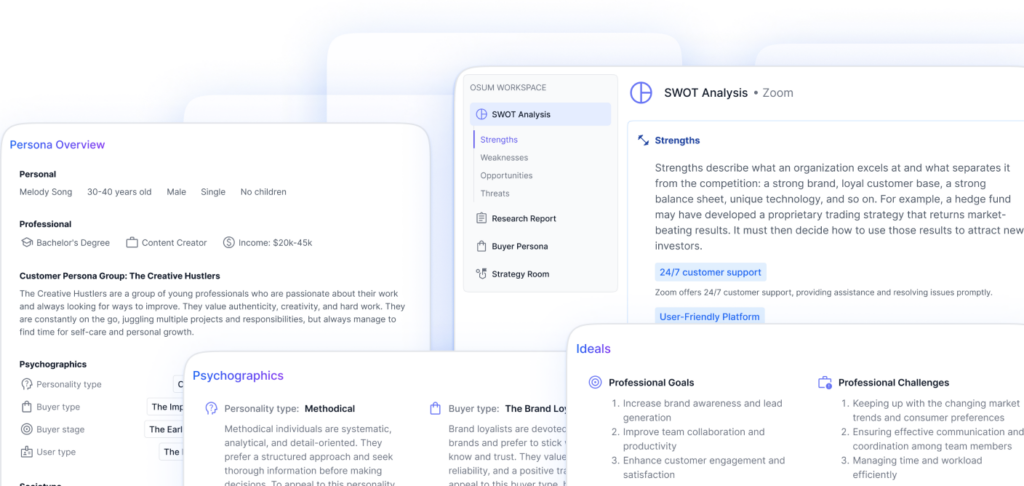
Developing buyer personas is an effective way to understand and visualize your target audience. A buyer persona is a fictional representation of your ideal customer, based on research and data. It helps you create a more personalized and targeted marketing strategy by considering factors such as demographics, interests, lifestyles, and purchasing behavior.
To develop buyer personas for your online clothing store, gather data from market research, customer surveys, and social media insights. Analyze this data to identify common patterns and characteristics among your audience. Use this information to create detailed profiles that represent different segments of your target market. These personas will guide your decision-making process and enable you to tailor your products, marketing campaigns, and customer experiences to meet the specific needs and preferences of your target audience.
By defining your target market, understanding their pain points, conducting market research, and developing buyer personas, you can effectively position your online clothing store in the competitive fashion industry. This targeted approach will help you better connect with your audience, provide products and experiences that resonate with them, and ultimately drive the success of your online garment business.
Marketing Strategies for Online Clothing Stores
Marketing is a crucial aspect of running a successful online clothing store. With the right strategies, you can effectively reach your target audience, build brand awareness, and drive sales. In this section, we will explore some effective marketing strategies for online clothing stores.
The Power of Digital Marketing
Digital marketing plays a vital role in promoting online clothing stores. It encompasses various tactics and channels that allow you to reach a wide audience. Some key digital marketing strategies for clothing brands include:
- Search engine optimization (SEO): Optimizing your website for search engines helps improve your online visibility and organic search rankings. This involves keyword research, on-page optimization, and creating valuable content that appeals to your target audience.
- Content marketing: Creating high-quality and engaging content can attract and engage potential customers. This can include blog posts, fashion guides, style tips, and videos that showcase your products and brand.
- Email marketing: Building an email list allows you to connect with your customers directly. Sending personalized emails with exclusive offers, new product announcements, and style inspiration can help nurture customer relationships and drive repeat purchases.
- Social media marketing: Leveraging social media platforms like Instagram, Facebook, and Pinterest can help you showcase your products, engage with your audience, and build a loyal customer base. Visual platforms like Instagram are particularly powerful for branding and influencer marketing (Constant Contact).
- Paid advertising: Utilizing paid advertising channels like Google Ads, Facebook Ads, and Instagram Ads can help you reach a wider audience and drive targeted traffic to your online store. For example, Facebook Ads can be effective in reaching a specific demographic or targeting users with particular interests. Lead ads on Facebook can also help grow your email list (Constant Contact).
Instagram for Branding and Influencer Marketing
Instagram has become a powerful platform for clothing brand marketing. It allows you to visually showcase your products, connect with your target audience, and build a strong brand presence. Influencer marketing is particularly effective on Instagram, as influencers are now considered more important to fashion brands than fashion editors. Collaborating with influencers who align with your brand can help you reach a wider audience and build trust among potential customers.
To make the most of Instagram for your clothing brand, focus on curating a visually appealing feed that reflects your brand’s personality. Post high-quality images of your products, behind-the-scenes content, style inspiration, and user-generated content. Engage with your audience through comments, direct messages, and interactive features like polls and contests.
Local Search Optimization
If your online clothing store also has a physical location, local search optimization is crucial. With the rise of virtual assistants and mobile search capabilities, local searches have become more common. Optimizing your online presence for local searches can help your store be discovered more easily by people in your area. One effective way to do this is by creating a Google Business Profile and keeping it up to date. This allows your store to appear in local search results, Google Maps, and Google’s local pack, increasing your visibility to potential customers (Constant Contact).
Facebook Ads for Targeted Marketing
Facebook Ads offer a powerful tool for targeted marketing. With advanced targeting options, you can reach specific demographics, interests, and behaviors that align with your target audience. By creating compelling ad campaigns, you can drive traffic to your online clothing store and increase conversions. Facebook lead ads are also effective in growing your email list, enabling you to nurture customer relationships and promote your products (Constant Contact).
By implementing these marketing strategies, you can effectively promote your online clothing store, generate brand awareness, and drive sales. Remember to continuously analyze and optimize your marketing efforts based on customer feedback and data insights to maximize your results.
Challenges Faced by the Fashion Industry
The fashion industry is not without its challenges. From environmental concerns to shifting consumer demands, the industry must navigate various obstacles to stay relevant and sustainable. Here are some of the key challenges faced by the fashion industry:
Environmental Impact and Sustainability
The fashion industry is known for its significant environmental impact. It is the second-largest polluter globally, following the oil industry, and accounts for approximately 10% of global carbon emissions. The production and disposal of clothing contribute to water pollution, deforestation, and greenhouse gas emissions (World Fashion Exchange). To address this challenge, many brands are embracing sustainable practices, such as using eco-friendly materials, implementing recycling programs, and reducing waste in their manufacturing processes.
Counterfeiting Issues
Counterfeiting poses a significant challenge for the fashion industry. In 2019, the counterfeit industry was valued at nearly $450 billion globally, with fashion industry losses amounting to $28.3 billion in 2020. Counterfeit products not only harm brand reputation but also lead to revenue loss and potential legal issues. To combat counterfeiting, fashion brands must invest in robust intellectual property protection measures and educate consumers about the importance of purchasing genuine products (World Fashion Exchange).
Inefficiencies in the Fashion Supply Chain
The fashion supply chain involves a complex network of manufacturers, suppliers, retailers, and consumers. Due to its fragmented nature, the supply chain often faces inefficiencies. Apparel production requires significant upfront capital investment and coordination among various stakeholders. Lack of visibility into the supply chain can lead to delays in production and late delivery of products to the market, resulting in missed opportunities and potential product failure. To address these inefficiencies, fashion brands are adopting technology solutions, such as supply chain management systems, to improve transparency and streamline operations (World Fashion Exchange).
Adaptation to Changing Consumer Demands
Consumer preferences and demands in the fashion industry are constantly evolving. Today, consumers seek customization, diversity, and inclusivity. Brands that can adapt to these changing demands by offering personalized products, embracing diversity in their marketing and product offerings, and reflecting consumer values are more likely to succeed. Utilizing technologies like artificial intelligence and machine learning can help companies predict and produce high-demand products faster based on trends and preferences.
Shifting Business Strategies
The fashion industry has witnessed a shift in business strategies. Traditional fashion weeks and trade shows, once crucial for industry exposure and prestige, have seen declining business benefits. With the rise of online shopping and the influence of social media, brands now need to focus on digital marketing strategies and online business models to reach their target audience effectively. Embracing e-commerce, influencer marketing, and social media platforms allows brands to connect directly with consumers and stay ahead in the competitive fashion landscape (World Fashion Exchange).
By acknowledging and addressing these challenges, the fashion industry can work towards a more sustainable and consumer-centric future. Embracing sustainable practices, protecting intellectual property, streamlining supply chains, adapting to changing demands, and leveraging digital platforms are essential steps for fashion brands to stay competitive and relevant in the ever-evolving market.