
The Life of a Beekeeper
Beekeeping is an engaging and rewarding profession that involves the care and management of bee colonies. Beekeepers play a crucial role in maintaining the health of bees, ensuring the production of honey, and supporting pollination. Let’s explore the essential tools beekeepers use and the daily tasks they undertake.
Beekeeper’s Essential Tools
To safely and effectively manage bee hives, beekeepers rely on a set of essential tools. These tools assist in various hive management tasks and ensure the well-being of the bees. The following are some of the key tools commonly used by beekeepers:
| Tool | Description |
|---|---|
| Hive Tool | A hive tool is a versatile tool used for prying open hives, separating frames, and scraping off excess propolis or beeswax. It is an indispensable tool for beekeepers. |
| Smoker | A smoker is an important tool that helps calm bees during hive inspections. By puffing cool smoke into the hive, the smoker masks alarm pheromones, reducing the chance of aggression from the bees. |
| Jacket with Hat Veil | Beekeepers wear a jacket with a hat veil to protect themselves from bee stings on the face and head. The veil allows for good visibility while safeguarding against potential stings. |
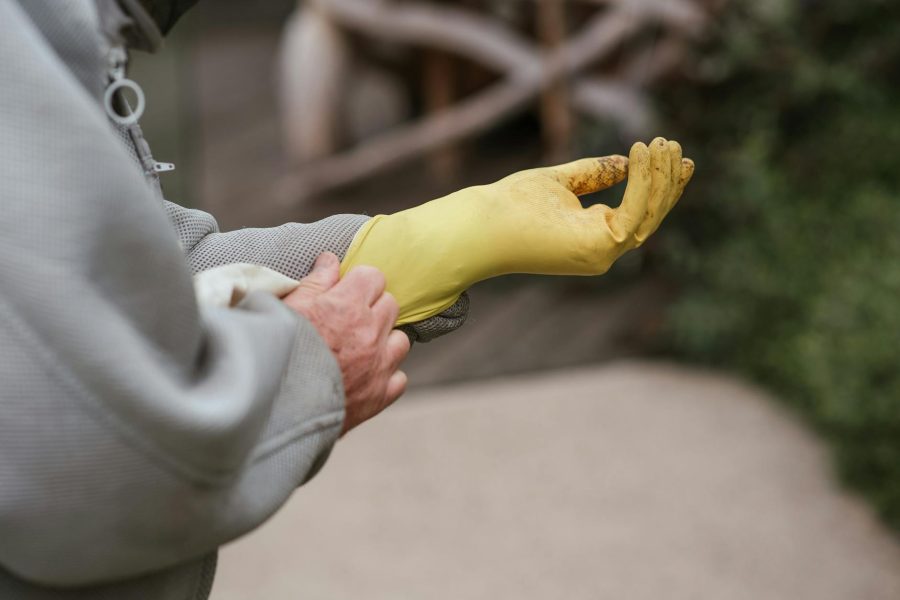
| Gloves | Beekeeping gloves provide protection against bee stings and help prevent shaky hands while working with the bees. They are available in various materials, such as leather or nitrile, depending on personal preference. |
| Bee Brush | A bee brush is a gentle tool used to move bees when necessary. It helps beekeepers maneuver bees away from frames, allowing them to inspect and work with the hive more effectively. |
(Table data from Bee Built and Montana Homesteader)
Daily Tasks of a Beekeeper
The daily tasks of a beekeeper vary depending on the season and the specific needs of the bee colonies. Here are some common tasks that beekeepers typically perform on a regular basis:
-
Hive Inspections: Regular hive inspections are essential to monitor the health and productivity of the bee colonies. Beekeepers check the overall condition of the hive, assess the population, and look for signs of disease or pests. They also inspect honey stores and evaluate the need for additional supers or frames.
-
Feeding and Medication: Beekeepers may need to provide supplemental feeding to the bees during times of nectar scarcity or to support colony growth. They may also administer medication or treatments to prevent or control diseases and parasites that can affect the bees’ health.
-
Queen Management: Beekeepers closely monitor the queen’s performance and assess her overall health and egg-laying abilities. They may replace a queen if necessary to maintain strong and productive colonies.
-
Harvesting Honey: When the time is right, beekeepers harvest honey from the hives. This involves carefully removing honey-filled frames, extracting the honey, and preparing it for bottling or other forms of distribution.
-
Swarm Prevention: Beekeepers take measures to prevent swarming, which is the natural process of colony reproduction. They may perform techniques such as splitting hives, requeening, or providing additional space to reduce the likelihood of swarming.
-
Record Keeping: Beekeepers maintain detailed records of hive inspections, honey production, and any other relevant observations. This helps them track the progress of the colonies, identify trends, and make informed management decisions.
The daily tasks of a beekeeper require dedication, attention to detail, and a deep understanding of bee behavior. By staying diligent and proactive, beekeepers can ensure the well-being of their colonies and contribute to the thriving beekeeping industry.
In the next section, we will explore the responsibilities that beekeepers have in maintaining hive health, controlling swarms, and managing hive maintenance.
Responsibilities of a Beekeeper
Being a beekeeper entails various responsibilities, including hive maintenance, swarm control, and hive health management. These tasks are essential for the well-being and productivity of the bee colonies. Let’s explore each of these responsibilities in more detail.
Hive Maintenance
One of the primary responsibilities of a beekeeper is hive maintenance. This involves constructing, cleaning, and ensuring the proper functioning of the beehives. Maintaining the hives includes providing a suitable environment for the bees to thrive. It includes tasks such as:
- Building and assembling beehives.
- Regularly inspecting the hives for damage or wear.
- Replacing or repairing damaged hive components.
- Keeping the hives clean and free from debris.
- Providing adequate ventilation for the bees.
- Monitoring and maintaining the honeycomb frames.
Proper hive maintenance is crucial for creating a healthy and productive environment for the bees. By ensuring the structural integrity of the hives and providing a clean and comfortable space, beekeepers contribute to the overall well-being of the colonies.
Swarm Control
Beekeepers also need to manage and control swarming behavior in their colonies. Swarming is a natural process in which a portion of the bees, along with a queen, leave the hive to establish a new colony. While swarming is a natural reproductive instinct of bees, it can cause a loss of bees and potential issues for neighboring communities.
To prevent excessive swarming, beekeepers employ various techniques, such as:
- Regularly inspecting the hives for signs of swarming preparations.
- Performing hive manipulations, such as providing additional space or removing queen cells.
- Splitting colonies to create new hives and prevent overcrowding.
- Capturing and relocating swarms to controlled environments.
By effectively managing swarming behavior, beekeepers can maintain stable and productive colonies while minimizing potential issues.
Hive Health Management
Maintaining the health of the bee colonies is a critical responsibility of a beekeeper. Hive health management includes monitoring and addressing potential risks, diseases, and pests that can affect the well-being of the bees. Key aspects of hive health management include:
- Regularly inspecting the hives for signs of disease or pest infestations.
- Treating and controlling mites, parasites, and other pests that can harm the bees.
- Providing proper nutrition for the bees, especially during times of nectar scarcity.
- Taking measures to minimize the risk of contamination from pesticides or other chemicals.
- Monitoring and managing the overall health and vitality of the queen bees.
By ensuring the health of the hives and taking proactive measures against diseases and pests, beekeepers help to maintain the long-term viability and productivity of the colonies.
As a beekeeper, these responsibilities are vital for the successful management of bee colonies. Hive maintenance, swarm control, and hive health management are integral parts of the job, and they require knowledge, experience, and a genuine passion for beekeeping. By diligently fulfilling these responsibilities, beekeepers contribute to the health and sustainability of honeybee populations and the production of honey and other bee-related products.
Qualities of a Successful Beekeeper
Being a successful beekeeper requires a unique set of qualities and characteristics. It goes beyond simply tending to the bees and their hives. Let’s explore three key qualities that contribute to the success of a beekeeper.
Passion for Beekeeping
A passion for beekeeping is the foundation of a successful beekeeper. It is a love for the bees, their intricate social structure, and the fascinating world of honey production. A passionate beekeeper is dedicated to the well-being of the bees and strives to create a harmonious environment for them to thrive.
A deep understanding and appreciation for bees and their importance in the ecosystem drive a beekeeper’s commitment to their craft. This passion fuels the motivation to continuously learn and improve beekeeping techniques. By staying informed about the latest beekeeping techniques and industry developments, a successful beekeeper can adapt and provide the best care for their bees.
Ability to Stay Calm
Beekeeping can be a challenging and sometimes unpredictable endeavor. It is essential for a beekeeper to remain calm and composed, even in stressful situations. Bees can become agitated, especially during hive inspections or swarm control procedures. In such moments, a calm and confident demeanor helps to maintain control and minimize disruption to the hive.
By staying calm, a beekeeper can effectively carry out their tasks without causing unnecessary stress to the bees or jeopardizing their own safety. It allows them to handle unexpected situations with a clear mind and make rational decisions in the best interest of the bees.
Outdoor Work Ethic
Beekeeping is an outdoor profession that requires dedication and hard work. Successful beekeepers embrace the outdoor work ethic, understanding that it often involves long hours spent in various weather conditions. They are willing to put in the effort required to maintain healthy hives and ensure the production of high-quality honeybee products.
Working outdoors means being exposed to the elements, which can be physically demanding. However, a strong work ethic enables a beekeeper to persevere, even when faced with challenges. Whether it’s inspecting hives, managing swarms, or harvesting honey, a diligent and dedicated approach ensures the tasks are carried out effectively and efficiently.
By embodying a passion for beekeeping, staying calm under pressure, and maintaining an outdoor work ethic, a beekeeper can create a fulfilling and successful career in this fascinating field. These qualities, combined with proper beekeeping equipment and adherence to safety guidelines, contribute to the overall well-being of the bees and the success of the beekeeper.
Safety Guidelines for Beekeeping
Beekeeping is a rewarding yet potentially hazardous endeavor. It’s crucial for beekeepers to prioritize safety and be aware of the risks involved. By following proper safety guidelines, beekeepers can ensure their well-being and maintain a thriving beekeeping operation. Here are some important considerations when it comes to safety in beekeeping.
Risks in Beekeeping
Beekeeping involves various risks that beekeepers need to be aware of to prevent and manage effectively. Some common risks in beekeeping include:
- Bee stings: Beekeepers are at risk of being stung by bees, which can cause allergic reactions in some individuals. It’s essential for beekeepers to take precautions to minimize the chances of stings and be prepared to manage any reactions effectively.
- Burns and injuries: Beekeepers may encounter hot surfaces, boiling wax, and other equipment that can cause burns. Additionally, handling heavy hive boxes and equipment can lead to injuries if not done with care.
- Biosecurity hazards: Beekeepers need to be vigilant about common bee pests and diseases that can harm hives and impact the honey industry. Implementing proper biosecurity measures can help prevent the spread of these hazards.
To ensure safety, beekeepers should have a thorough understanding of these risks and take appropriate measures to mitigate them.
Safety Equipment
Having the right safety equipment is crucial for beekeepers to protect themselves while working with bees. Some essential safety equipment includes:
- Protective clothing: Beekeepers should wear a bee suit or jacket, gloves, and a veil to shield themselves from bee stings. The clothing should be light-colored and made of smooth fabric to minimize bee aggression.
- Protective gear: In addition to clothing, beekeepers should wear sturdy boots or shoes to protect their feet and ankles. Wearing long pants and tucking them into the boots can provide further protection.
- First aid kit: Beekeepers should have a fully-equipped first aid kit on hand to manage injuries or reactions to bee stings effectively. This kit should include items such as antiseptics, bandages, and antihistamines. It may also be necessary to have an EpiPen available for severe allergic reactions.
By having the appropriate safety equipment readily available, beekeepers can ensure prompt and effective response to any potential safety incidents.
Legislative Support
Legislation plays a vital role in supporting beekeepers and protecting the honey industry. In various countries, specific laws and regulations are in place to safeguard the beekeeping industry. For example:
- In New Zealand, legislation such as the Biosecurity Act 1993, Biosecurity (National American Foulbrood Pest Management Plan) Order 1998, and the Biosecurity (American Foulbrood – Apiary and Beekeeper Levy) Order 2003 provide legal support and guidance for beekeepers. Additionally, Apiculture New Zealand has established a voluntary beekeeping Code of Conduct to ensure health and safety standards (Ecrotek).
- In Australia, the Biosecurity Code of Practice provides a framework for beekeepers to maintain biosecurity and reduce the risks of pests and diseases that could harm the industry. Each state and territory in Australia has its legislation relating to beekeeping to ensure proper management and safety (Ecrotek).
Beekeepers should familiarize themselves with the legislation applicable to their region and adhere to the guidelines to maintain a safe and compliant beekeeping operation.
By being aware of the risks involved, using the necessary safety equipment, and complying with legislation, beekeepers can prioritize safety and create a secure environment for themselves and their bees. Knowledge and adherence to safety guidelines are key to maintaining a successful and safe beekeeping operation.
Beekeeping Best Practices
To be a successful beekeeper, it is important to follow certain best practices that promote the well-being of your bees and ensure a productive and harmonious relationship with them. In this section, we will explore three key best practices: respect for bees, routine hive inspections, and monitoring bee needs.
Respect for Bees
Respecting your bees should be the foundation of your work as a beekeeper. Treating them with care and compassion not only contributes to their well-being but also influences their behavior towards you. Remember, how you behave towards your bees can dictate their behavior towards you. Approach your bees calmly and avoid sudden movements or loud noises that may startle them. By respecting their space and handling them gently, you can establish a positive and cooperative relationship. For more information on your responsibilities as a beekeeper, visit our article on beekeeper’s essential tools.
Routine Hive Inspections
Routine hive inspections are a vital aspect of beekeeping. These inspections provide valuable insights into the health and productivity of your bee colonies. By conducting regular inspections, you can monitor the progress of your bees, identify any potential issues, and take appropriate measures to support their success. During inspections, observe the behavior of the bees, check for signs of infection or unwanted visitors, and familiarize yourself with symptoms and traits of different viruses and parasites. Being proactive in detecting and addressing health issues will help maintain the overall well-being of your colonies. To learn more about hive maintenance, refer to our article on hive maintenance.
Monitoring Bee Needs
As a responsible beekeeper, it is essential to monitor the needs of your bees and provide them with necessary support. Bees require a steady and adequate supply of food, especially during times when natural nectar sources may be limited. Supplemental feeding can be done by providing sugar syrup or other suitable food sources to ensure that your bees have the necessary nutrition to thrive. Monitoring their food stores and observing their behavior can give you insights into their needs. By monitoring and meeting their nutritional requirements, you can help maintain the health and vitality of your colonies. For more information on monitoring bee needs, visit our article on beekeeping season.
By following these best practices, you can establish a strong foundation for successful beekeeping. Remember, respecting your bees, conducting routine hive inspections, and monitoring their needs are crucial elements in maintaining the health and productivity of your bee colonies. Always stay informed about the latest techniques and advancements in beekeeping to ensure that you provide the best care for your bees.
Equipment for Beekeeping
To pursue a successful career as a beekeeper, having the right equipment is essential. In this section, we will explore the basic tools for beginners, provide tips for hive selection, and discuss the equipment needed for honey extraction.
Basic Tools for Beginners
For beginner beekeepers, it’s important to start with the right tools to ensure a smooth and successful beekeeping journey. Here are some essential tools to consider:
| Tool | Description |
|---|---|
| Hive Tool | This versatile tool is used for prying open hives, separating frames, and scraping off excess propolis and wax. It’s a must-have for managing your beehives. |
| Smoker | A good quality beehive smoker is essential for keeping bees calm during hive inspections. It works by emitting cool smoke, which helps to mask alarm pheromones and promote a peaceful environment. |
| Bee Hive with Frames | The hive is the home for your bees, and frames provide structure for the bees to build their comb and store honey. Look for a hive design that suits your needs, such as the popular Langstroth beehive. Consider using medium supers with frames to reduce the weight of the hive when loaded with honey. |
| Protective Clothing | Beekeeping can involve close contact with bees, so it’s important to protect yourself. Protective clothing includes gloves, suits, veils, and hats. Choose clothing that provides full coverage and is made of lightweight, breathable materials for comfort. |
Beginner beekeepers can find these tools in beekeeping starter kits or purchase them individually. Platforms like Craigslist or Facebook sale groups may also have used beekeeping equipment available at a lower cost. For more detailed information on beekeeping equipment, consider visiting our article on beekeeping equipment.
Hive Selection Tips
Choosing the right hive is crucial for the well-being of your bees and the success of your beekeeping venture. Here are some tips to help you select the right hive:
- Consider the hive design: The Langstroth beehive is the most common choice for beginners due to its ease of use and availability of equipment. However, it can be heavy when loaded with honey. Some beekeepers opt for medium supers with frames to reduce the weight. Assess your needs and preferences before making a decision.
- Evaluate hive materials: Hives are typically made from wood, plastic, or polystyrene. Each material has its own advantages and considerations, such as durability, insulation properties, and cost. Research and compare the different materials to determine which one suits your beekeeping goals and local climate.
- Assess hive capacity: The size of the hive should align with the number of bees you plan to keep. Consider the potential growth of your colony and ensure the hive has enough space to accommodate the bees and their honey stores.
For more comprehensive information on hive selection and other beekeeping techniques, visit our article on beekeeping techniques.
Honey Extraction Equipment
Harvesting honey is an exciting and rewarding aspect of beekeeping. To collect honey from your beehives, you will need specific equipment, including:
- Honey Extractor: A honey extractor is a machine used to extract honey from the honeycombs. It works by spinning the frames, causing the honey to be flung out of the cells and collected at the bottom of the extractor. Investing in a good quality honey extractor is recommended for efficient honey extraction.
- Uncapping Fork or Hot Knife: Before placing the frames in the honey extractor, the wax cappings need to be removed to expose the honey. An uncapping fork or a hot knife can be used for this process. The uncapping fork helps scrape off the wax cappings, while a hot knife makes clean cuts through the wax.
Having the right honey extraction equipment ensures a smooth and efficient harvest. For more information on beekeeping equipment and techniques, visit our comprehensive article on beekeeping equipment.
By equipping yourself with the basic tools, selecting the right hive, and investing in honey extraction equipment, you’ll be well-prepared to embark on your beekeeping journey. Remember to prioritize the well-being of your bees and follow best practices for responsible beekeeping.