Roles and Responsibilities
Cardiologists play a vital role in diagnosing and treating heart conditions. Their responsibilities encompass a range of diagnostic procedures and therapeutic interventions aimed at providing optimal care to their patients.
Diagnostic Procedures
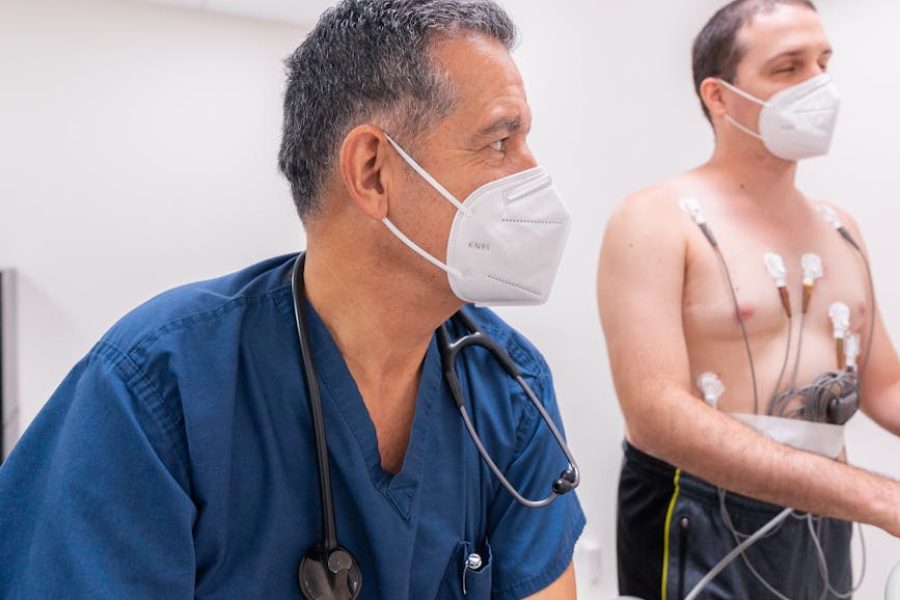
One of the key responsibilities of a cardiologist involves performing and interpreting various diagnostic procedures to assess the cardiovascular health of their patients. These procedures help cardiologists gather essential information and make informed decisions regarding treatment options.
Some commonly conducted diagnostic tests in cardiology include:
-
Echocardiograms: These non-invasive tests use ultrasound technology to create images of the heart’s structure and function. Echocardiograms provide valuable insights into cardiac abnormalities, such as valve defects, heart muscle disorders, and congenital heart diseases.
-
Stress tests: Also known as exercise tests, stress tests evaluate how the heart responds to physical exertion. By monitoring the heart’s electrical activity and blood pressure during exercise, cardiologists can identify potential abnormalities, such as reduced blood flow to the heart.
-
Cardiac catheterization: This invasive procedure involves inserting a thin tube called a catheter into the heart’s blood vessels to assess blood flow, pressures, and obtain detailed images. Cardiac catheterization is crucial for diagnosing conditions like coronary artery disease, heart valve abnormalities, and congenital heart defects.
Therapeutic Interventions
In addition to diagnostics, cardiologists are responsible for providing therapeutic interventions to manage heart conditions effectively. These interventions may involve both non-invasive and invasive procedures, depending on the severity and nature of the patient’s condition.
Some of the therapeutic interventions performed by cardiologists include:
-
Stent placement: This procedure involves inserting a small metal mesh tube (stent) into the narrowed or blocked coronary arteries to restore blood flow and alleviate symptoms associated with conditions like coronary artery disease.
-
Pacemaker implantation: Cardiologists are skilled in implanting pacemakers to regulate abnormal heart rhythms. Pacemakers are small devices that emit electrical impulses to control the heart’s rhythm and ensure it beats at a normal pace.
-
Cardiac catheterization with angioplasty: During this procedure, cardiologists use a catheter with a balloon at its tip to widen narrowed or blocked arteries. This technique, known as angioplasty, helps restore blood flow to the heart and can be combined with stent placement for better outcomes.
-
Minimally invasive procedures: Cardiologists may also perform minimally invasive surgeries, such as minimally invasive coronary artery bypass graft (CABG), to improve blood flow around blocked arteries while minimizing the need for extensive incisions and recovery time.
Cardiologists undergo rigorous training and gain expertise in these procedures to ensure accurate diagnosis and treatment of heart diseases. Their commitment to staying updated with the latest advancements in the field allows them to provide optimal care to their patients.
By performing diagnostic procedures and therapeutic interventions, cardiologists play a crucial role in managing heart conditions, improving patients’ quality of life, and promoting cardiovascular health.
Training and Skills
Becoming a successful cardiologist requires extensive training and a specific set of skills. Let’s explore the educational path and necessary skills for aspiring cardiologists.
Educational Path
To embark on a career as a cardiologist, individuals must complete a Doctor of Medicine (M.D.) program, which typically takes four years to finish. This comprehensive program includes a combination of classroom courses and clinical work, covering subjects such as biology, anatomy, chemistry, and organ systems in the initial years. As students progress, they gain clinical experience, allowing them to observe procedures, patient treatment, and learn to diagnose illnesses.
After completing medical school, aspiring cardiologists must undergo a three-year internal medicine residency program to gain hands-on experience in various medical fields, including cardiology. This residency provides a foundation in general medicine and prepares individuals for specialized training in cardiology. Following the residency, cardiologists must undertake a three-year cardiology fellowship program, which offers focused training in heart and artery diseases, imaging tools, and interventions. During this fellowship, they acquire advanced skills and knowledge related to cutting-edge technology and in-depth clinical sciences (Learn.org).
Obtaining a license is a crucial step for cardiologists in the United States. This process typically involves a criminal background check, graduation from an accredited M.D. program, and successful completion of the United States Medical Licensing Examination (USMLE). Maintaining a license requires cardiologists to engage in continuing medical education to stay updated on medical advancements and emerging trends in cardiology. Additionally, cardiologists can choose to pursue voluntary board certification in cardiology through the American Board of Internal Medicine, further showcasing their expertise and dedication to the field (Learn.org).
Necessary Skills
In addition to the extensive educational path, successful cardiologists possess a range of necessary skills. These skills enable them to excel in their roles and provide optimal patient care. Some key skills for cardiologists include:
-
Analytical Thinking: Cardiologists must possess strong analytical skills to assess complex cardiac conditions, interpret diagnostic tests, and develop effective treatment plans based on their findings.
-
Problem-solving: The ability to identify and solve intricate medical problems is vital in cardiology. Cardiologists must utilize their knowledge and experience to make accurate diagnoses and develop appropriate treatment strategies.
-
Attention to Detail: Paying close attention to detail is crucial in cardiology to ensure accurate interpretation of diagnostic tests, meticulous analysis of patient data, and precise execution of procedures.
-
Communication Skills: Effective communication is essential when interacting with patients, explaining diagnoses and treatment options, and collaborating with other healthcare professionals to provide comprehensive patient care.
-
Empathy and Compassion: Cardiologists often deal with patients facing serious heart conditions. Demonstrating empathy and compassion helps build trust and support patients through challenging times.
-
Technical Proficiency: Cardiologists must be proficient in utilizing advanced diagnostic tools and technologies, such as electrocardiography (ECC) and coronary catheterization, to diagnose and treat heart diseases effectively.
-
Teamwork: Collaboration with other healthcare providers, including cardiac surgeons and specialists, is common in delivering comprehensive patient care. Cardiologists should possess strong teamwork skills to work effectively within multidisciplinary teams.
By acquiring the necessary educational background and developing these essential skills, cardiologists are equipped to fulfill their responsibilities and provide exceptional care to their patients.
Job Outlook and Specializations
Cardiology is a specialized field within medicine that offers a range of opportunities and career paths for aspiring cardiologists. Understanding the job outlook and available specializations is crucial for those considering a career in this field.
Growth Outlook
The job outlook for cardiologists is positive, with an expected growth rate of 13% until 2026. This growth is higher than the national average and can be attributed to factors such as an aging population and the increasing need for healthcare services (Medical Aid). This demand for cardiologists highlights the importance of their role in diagnosing, treating, and preventing cardiovascular diseases.
While the growth outlook is promising, it’s important to note that the job market for physicians and surgeons, including cardiologists, is expected to grow at a slower pace of 3% from 2020 to 2030. This is influenced by various factors, including changes in healthcare regulations and reimbursement policies (Learn.org). Despite the relatively slower growth rate, there will still be opportunities for skilled cardiologists to contribute to patient care and make a difference in the field.
Subspecialties in Cardiology
Cardiology offers a wide range of subspecialties, allowing cardiologists to focus on specific areas of expertise. These subspecialties provide opportunities for cardiologists to develop specialized skills and knowledge in their chosen fields. Some of the subspecialties in cardiology include:
-
Clinical Cardiologists: These cardiologists specialize in the diagnosis and management of cardiovascular diseases, providing comprehensive care to patients with heart conditions.
-
Interventional Cardiologists: Interventional cardiologists perform procedures such as angioplasty, stenting, and other minimally invasive techniques to treat heart conditions, including coronary artery disease.
-
Electrophysiologists: These cardiologists focus on the diagnosis and treatment of heart rhythm disorders, such as arrhythmias. They may perform procedures like pacemaker implantation and catheter ablation.
-
Heart Failure Specialists: Heart failure specialists specialize in the management and treatment of patients with heart failure, focusing on optimizing heart function and quality of life.
-
Cardiac Imaging Specialists: These cardiologists utilize advanced imaging techniques, such as echocardiography, cardiac MRI, and CT scans, to assess heart structure and function.
-
Congenital Heart Specialists: Congenital heart specialists care for patients with congenital heart defects, providing lifelong management and treatment options.
-
Preventative Cardiologists: Preventative cardiologists focus on identifying and addressing risk factors for cardiovascular diseases, aiming to prevent heart conditions before they occur. They emphasize lifestyle modifications and the use of preventive medications.
The field of cardiology offers many other subspecialties, including cardio-oncology, cardiac rehabilitation, pediatric cardiology, and cardiothoracic surgery. Each subspecialty requires additional training and expertise to provide specialized care to patients.
By exploring these subspecialties, cardiologists can tailor their career paths to align with their interests and passions while contributing to advancements in the field of cardiology.
As the demand for cardiologists continues to grow, it’s essential for aspiring cardiologists to stay up-to-date with the latest advancements, technologies, and research in the field. This will enable them to provide optimal care to their patients and make a meaningful impact on cardiovascular health.
Patient Care and Communication
As a cardiologist, patient care and effective communication are paramount in providing comprehensive cardiovascular care. This section explores two essential aspects of patient care: patient assessment and effective communication.
Patient Assessment
When patients seek medical attention, cardiologists begin the diagnostic process by conducting a thorough patient assessment. This assessment involves gathering the patient’s medical history, including details about symptoms, family history of heart disease, lifestyle choices, and any previous illnesses. This information helps cardiologists identify risk factors and potential underlying causes of heart disease, facilitating accurate diagnosis and personalized treatment options.
During the patient assessment, cardiologists inquire about symptoms such as palpitations, exhaustion, shortness of breath, and chest pain. These symptoms can provide crucial information regarding the heart problem and aid in the accurate diagnosis of heart disease. By carefully listening to the patient’s concerns and asking relevant questions, cardiologists can gather vital information to guide the diagnostic process.
Effective Communication
In addition to performing diagnostic procedures and providing treatment, cardiologists play a vital role in effectively communicating complex medical information to patients. Clear and understandable communication is essential to ensure patients are well-informed about their heart condition and treatment options. By explaining medical concepts, procedures, and potential risks, cardiologists empower patients to actively participate in their cardiac care journey.
Effective communication involves using language that patients can comprehend and taking the time to address their questions and concerns. Cardiologists must strike a balance between providing accurate medical information and ensuring patients feel supported and understood. By fostering open and honest communication, cardiologists can build trust and establish a strong doctor-patient relationship.
Through patient assessment and effective communication, cardiologists prioritize the well-being and understanding of their patients. By gathering comprehensive information during the patient assessment and engaging in clear and empathetic communication, cardiologists can provide personalized care and guide patients towards optimal cardiovascular health.
Heart Disease Diagnosis
Prompt and accurate diagnosis of heart disease is of utmost importance in the field of cardiology. Cardiologists play a vital role in early detection, as it enables them to devise appropriate treatment plans and interventions to manage the condition effectively. This section will explore the importance of early detection and the diagnostic approach employed by cardiologists.
Early Detection Importance
Early detection of heart disease is crucial for managing the condition and reducing its impact on a person’s general health and well-being. According to Manhattan Cardiology, millions of individuals worldwide suffer from heart disease, making it the leading cause of mortality for both sexes and across various ethnic and racial groups. Detecting heart disease at an early stage allows cardiologists to initiate timely interventions, implement appropriate treatment strategies, and potentially prevent further complications.
Diagnostic Approach
Cardiologists employ a comprehensive diagnostic approach to accurately detect heart disease. This involves a combination of thorough medical history assessments, physical examinations, and advanced diagnostic testing. By gathering information from various sources, cardiologists can gain a holistic understanding of the patient’s condition and provide an accurate diagnosis.
During the medical history assessment, cardiologists ask about symptoms such as palpitations, exhaustion, shortness of breath, and chest pain. This information, as highlighted by Manhattan Cardiology, is crucial for identifying potential heart problems and guiding the diagnostic process.
Physical examinations are also an essential component of the diagnostic approach. Cardiologists perform physical assessments to evaluate vital signs, listen to heart sounds, and assess overall cardiovascular health. These examinations help cardiologists identify any abnormalities or signs of heart disease.
To further assess and confirm the presence of heart disease, cardiologists utilize advanced diagnostic tests and technologies. These may include electrocardiography (ECG), echocardiography, stress tests, cardiac catheterization, and imaging techniques such as magnetic resonance imaging (MRI) and computed tomography (CT) scans.
By combining the information gathered from medical history assessments, physical examinations, and advanced diagnostic testing, cardiologists can accurately detect the presence of heart disease, assess its severity, and develop a suitable treatment strategy.
In conclusion, early detection and precise diagnosis of heart disease are essential responsibilities of cardiologists. Through comprehensive evaluations, physical examinations, and state-of-the-art diagnostic techniques, cardiologists play a pivotal role in identifying and managing heart disease. Their expertise and diagnostic skills contribute significantly to improving patient outcomes and quality of life.
Preventive Cardiology Programs
Preventive cardiology programs play a vital role in reducing the risk of cardiovascular disease and promoting heart health. These programs focus on early detection, comprehensive care, and lifestyle interventions to prevent or manage heart-related conditions. One notable program in this field is the UCLA Health Preventive Cardiology and Cardiometabolic Health Program.
UCLA Health Program
The UCLA Health Preventive Cardiology and Cardiometabolic Health Program offers personalized, comprehensive care to individuals seeking to decrease their risk of cardiovascular disease by addressing cardiometabolic health risk factors such as high blood pressure and cholesterol. The program is staffed with highly skilled specialists, including board-certified doctors with extensive training and experience in preventive cardiology and cardiometabolic health, known nationwide as leaders in their fields (UCLA Health).
This program provides coordinated care through a team of experts in preventive cardiology, genetics, gastroenterology, endocrinology, pharmacotherapy, mental health, nutrition, and exercise professionals. By combining the expertise of these specialists, the program delivers seamless and complete care, tailoring treatment plans to the individual’s unique needs and risk factors (UCLA Health).
The UCLA Health Preventive Cardiology and Cardiometabolic Health Program also emphasizes research in cardiometabolic health and cardiovascular disease prevention. The program’s physician-scientists, renowned for their contributions to discovering new treatment methods, advance care through ongoing research, further supported by the Conner Dunn Endowment in Cardiometabolic Health.
Preventative Measures
In addition to specialized programs like the one at UCLA Health, implementing preventive measures is essential for maintaining heart health. These measures include:
-
Lifestyle Changes: Adopting a healthy lifestyle can significantly reduce the risk of heart disease. Regular exercise, a nutritious diet, avoiding smoking, and moderating alcohol consumption are all important lifestyle factors to consider (Advanced Heart and Vascular Institute).
-
Regular Check-ups: Regular check-ups with a doctor who specializes in heart health are crucial for adults of all ages. These check-ups can help identify risk factors, manage existing heart conditions, and emphasize the importance of prevention, diagnosis, and treatment in cardiovascular health (Advanced Heart and Vascular Institute).
-
Early Diagnosis: Recognizing signs and symptoms of heart disease early on is vital for managing the condition and preventing further complications. Shortness of breath, chest pain, fatigue, and dizziness are some common symptoms that should prompt further evaluation (Advanced Heart and Vascular Institute).
-
Lifestyle Modifications and Medications: Lifestyle changes, such as adhering to a healthy diet, regular exercise, stress management, and medication recommendations from a healthcare professional, can significantly improve heart health. Medications like statins or blood pressure medications may be prescribed to manage risk factors and enhance cardiovascular well-being (Advanced Heart and Vascular Institute).
-
Risk Factor Management: Managing stress, identifying and addressing risk factors contributing to heart disease, and making lifestyle changes are crucial aspects of maintaining a healthy heart. This includes quitting smoking, eating a healthy diet, and implementing stress management techniques.
Preventive cardiology programs, such as the one offered by UCLA Health, along with individual efforts to adopt preventative measures, play a significant role in reducing the burden of heart disease and promoting cardiovascular well-being. By focusing on prevention and early intervention, individuals can proactively manage their heart health and improve overall quality of life.