
Understanding Customer Acquisition
Customer acquisition is a fundamental aspect of business growth and expansion. It refers to the process of attracting, engaging, and converting prospective customers into paying ones, thereby expanding your business’s customer base. This process occurs in stages, often visualized as a customer acquisition funnel, covering the entire customer journey from awareness to conversion (Hotjar).
Definition of Customer Acquisition
In simple terms, customer acquisition is the systematic and sustainable approach of attracting individuals to your business and persuading them to take action, such as making a purchase or signing up for a paid subscription. It involves various teams, channels, and strategies to effectively engage and convert potential customers (Hotjar). By understanding the customer acquisition process and implementing appropriate customer acquisition strategies, businesses can successfully expand their customer base and drive revenue.
Importance of Customer Acquisition
Customer acquisition is of paramount importance for businesses. It serves as a means to generate revenue, meet costs, pay employees, and reinvest in the company. Furthermore, it demonstrates traction, steady growth, and success to external parties such as investors, partners, and influencers, thereby enhancing the overall reputation and credibility of the business (Hotjar).
It is essential to note that customer acquisition is distinct from customer retention. While customer acquisition focuses on attracting and converting prospects, customer retention revolves around nurturing existing customers, keeping them satisfied, and encouraging repeat purchases. Both acquisition and retention strategies are critical for the long-term success and sustainability of a business. By continually acquiring new customers and retaining existing ones, businesses can achieve sustainable growth and build a loyal customer base.
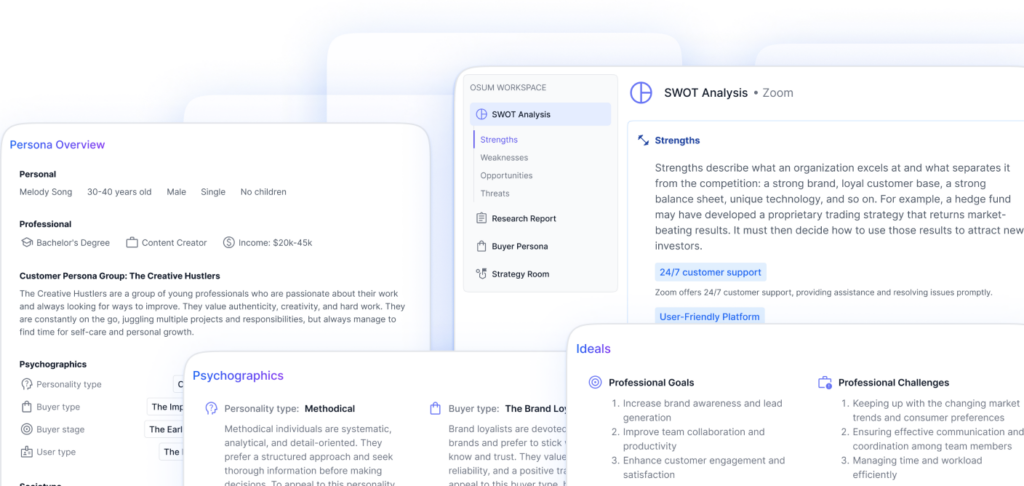
To improve customer acquisition, businesses should invest time and effort in understanding their target audience. This involves building user personas and identifying the ideal customers for their products or services. By gaining a deeper understanding of their customers, businesses can tailor their marketing messages, set realistic goals, and make efficient use of resources, ultimately enhancing their customer acquisition efforts (Hotjar).
Strategies for Customer Acquisition
When it comes to acquiring new customers, businesses employ various strategies to attract and convert potential buyers. In this section, we will explore three effective strategies for customer acquisition: influencer marketing, live website chat, and user-generated content on social media.
Influencer Marketing
Influencer marketing has become a popular strategy for reaching a target audience through influential individuals who have a significant following. Collaborating with influencers whose brand aligns with the business can help increase brand exposure and credibility. For example, H&M’s partnership with TheWeeknd serves as an effective example of influencer marketing alignment, where the message resonates with the influencer’s own brand (Source).
By leveraging the reach and influence of these individuals, businesses can tap into new customer segments and drive traffic to their products or services. Influencer marketing allows for authentic and relatable promotion, enabling potential customers to see the brand in a more personalized and trustworthy light.
Live Website Chat
Live website chat, often staffed by knowledgeable representatives or stylists, provides real-time support and assistance to potential customers. This strategy helps increase conversion rates by reducing cart abandonment and addressing customer concerns promptly. ASOS, a popular online fashion retailer, effectively utilizes live chat to provide immediate answers to customer questions, thereby enhancing the overall shopping experience and increasing customer satisfaction (Source).
By offering live chat support, businesses can engage with potential customers, guide them through the buying process, and address any hesitations or uncertainties they may have. This direct interaction helps build trust, improve customer satisfaction, and ultimately increases the likelihood of conversion.
User-Generated Content on Social Media
User-generated content (UGC) refers to content created and shared by customers on social media platforms. This strategy allows businesses to leverage the power of their existing customers to promote their brand and products. By encouraging customers to share photos, reviews, or testimonials, brands can tap into social proof and advocacy.
Lululemon, a well-known athletic apparel brand, engages its customers by asking them to share photos of themselves wearing the brand’s gear on platforms like Instagram. This UGC serves as social proof, showcasing real customers enjoying and endorsing the brand. It not only boosts brand loyalty but also attracts new customers who are inspired by the content and want to be part of the community.
By actively encouraging UGC, businesses can amplify their brand reach, foster a sense of community, and attract new customers who are more likely to trust and engage with content generated by their peers.
Incorporating these customer acquisition strategies into a comprehensive marketing plan can help businesses effectively attract and convert potential customers. By leveraging the power of influencer marketing, live website chat, and user-generated content on social media, businesses can expand their customer base and drive growth.
Techniques for Customer Acquisition
To successfully acquire customers, businesses employ various techniques that help them connect with their target audience and drive conversions. In this section, we will explore three effective customer acquisition techniques: email automation, PPC advertising, and customer research.
Email Automation
Email automation is a powerful tool used by businesses to engage their email subscribers and nurture relationships with potential customers. By automating email campaigns, businesses can deliver targeted messages at specific stages of the customer journey, increasing engagement and driving conversions.
Sephora, for example, leverages email automation to engage their email list and promote special offers, such as sweepstakes, through their Instagram platform. This strategy helps increase engagement across platforms and promotes the brand effectively (Source).
Key benefits of email automation for customer acquisition include:
- Personalization: Automation allows businesses to send personalized messages to subscribers based on their preferences and behaviors.
- Lead Nurturing: Automated email sequences can guide potential customers through the sales funnel, providing relevant information and incentives along the way.
- Segmentation: Businesses can segment their email lists based on various criteria, allowing for targeted messaging to specific customer segments.
PPC Advertising
Pay-per-click (PPC) advertising is a digital marketing technique that allows businesses to break through the noise and draw attention to their products or services. With PPC advertising, businesses bid on keywords and pay only when their ads are clicked by potential customers.
Eloqua, a marketing automation platform, effectively uses hyperlinked bullet lists and clear call-to-action buttons in their PPC ads to increase awareness and consideration among viewers. This strategy helps drive traffic to their website and generates leads (Source).
Key benefits of PPC advertising for customer acquisition include:
- Targeted Reach: PPC advertising allows businesses to target specific demographics and interests, ensuring their ads are seen by relevant audiences.
- Immediate Visibility: Ads can appear on search engine results pages and other digital platforms, providing instant exposure and visibility to potential customers.
- Measurable Results: PPC campaigns provide detailed analytics and performance metrics, allowing businesses to optimize their ads and measure their return on investment (ROI).
Customer Research
Understanding the target audience is crucial for acquiring the right-fit customers. Customer research involves gathering insights and data about the target market, enabling businesses to create effective strategies and resonate with their potential customers.
Building user personas and identifying the ideal customer are essential steps in customer research. This understanding helps businesses achieve product-market fit faster, set realistic marketing goals, and make better use of resources like time and money. By conducting customer research, businesses can align their messaging, branding, and product offerings with the needs and preferences of their target audience (Source).
Key benefits of customer research for customer acquisition include:
- Targeted Marketing: Customer research helps businesses tailor their marketing efforts to specific customer segments, increasing the relevance and effectiveness of their messaging.
- Improved Product Development: Understanding customer needs and pain points through research allows businesses to develop products or services that meet their customers’ demands.
- Enhanced Customer Experience: By gaining insights into customer preferences and behaviors, businesses can provide a more personalized and enjoyable experience, fostering customer loyalty and advocacy.
By implementing email automation, PPC advertising, and customer research techniques, businesses can effectively acquire customers and drive growth. However, it’s important to note that customer acquisition is just one part of the customer journey. To maximize success, businesses should also focus on customer retention strategies to nurture and retain their acquired customers. For more information on customer acquisition cost (CAC) and its significance, refer to our article on customer acquisition cost.
Customer Acquisition vs. Retention
Understanding the difference between customer acquisition and customer retention is essential for developing a comprehensive marketing strategy. While both strategies play a vital role in the success of a business, they serve distinct purposes and require different approaches.
Key Differences
Customer acquisition refers to the process of attracting prospects to your company and persuading them to purchase your products or services. It involves capturing the attention of potential customers, nurturing their interest, and guiding them through the customer acquisition funnel until they make a purchase. This process typically involves various customer acquisition strategies such as influencer marketing, live website chat, and user-generated content on social media.
On the other hand, customer retention focuses on nurturing and maintaining existing customers to keep them active and satisfied. It involves building strong relationships, providing exceptional customer service, and implementing strategies to ensure customer loyalty and repeat purchases. Retaining customers requires ongoing efforts to exceed their expectations, address their needs, and foster a sense of loyalty to your brand.
Importance of Both Strategies
Both customer acquisition and customer retention are crucial for the long-term success and sustainability of a business. However, it is worth noting that acquiring a new customer can be more costly compared to retaining an existing one. According to Forbes, acquiring a new customer can cost five to seven times more than retaining an old one, and in the SaaS industry, it can cost four to five times more to acquire new customers versus retaining current ones.
While customer acquisition may involve higher upfront costs, customer retention efforts can lead to more cost-efficient results over time. Existing customers are more likely to repeat their purchases when they trust a brand, leading to increased customer lifetime value and reduced marketing expenses. Forbes states that a 5% increase in customer retention can result in a company’s profits growing by 25% to around 95% over time.
Additionally, customer retention efforts provide valuable insights into customer behavior and preferences. By maintaining a strong relationship with existing customers, businesses can gather feedback, understand their audience’s habits, and tailor their marketing strategies accordingly. This targeted approach can lead to more successful future promotions and improved customer satisfaction.
In summary, while customer acquisition aims to expand the customer base and attract new customers, customer retention focuses on nurturing existing customers and fostering long-term loyalty. Both strategies are essential for business growth, but the cost-efficiency and potential for increased profits make customer retention a wise investment for most businesses.
To delve deeper into the financial aspects of customer acquisition, you can explore the concept of customer acquisition cost (CAC) and its significance in determining the effectiveness of your marketing efforts.
Channels for Customer Acquisition
When it comes to customer acquisition, utilizing the right channels is essential for reaching and attracting potential customers. In this section, we will explore three key channels for customer acquisition: SEO strategies, content marketing, and email marketing.
SEO Strategies
Search engine optimization (SEO) plays a vital role in acquiring customers by improving a website’s visibility on search engines like Google. By implementing effective SEO strategies, businesses can increase their organic traffic and attract more potential customers without relying solely on paid advertising.
Key SEO strategies for customer acquisition include:
- Keyword research: Identifying relevant keywords that potential customers are searching for and optimizing website content accordingly.
- On-page optimization: Optimizing meta tags, headings, and content structure to make it more search engine-friendly.
- Link building: Building high-quality backlinks from reputable websites to improve the website’s authority and visibility in search results.
- Local SEO: Optimizing for local searches, especially for businesses targeting customers in specific geographic areas.
By implementing these SEO strategies, businesses can increase their online visibility and attract customers who are actively searching for their products or services.
Content Marketing
Content marketing is a powerful channel for customer acquisition at every stage of the customer acquisition funnel. By creating and sharing valuable content, businesses can attract, engage, and persuade potential customers to become paying customers.
Effective content marketing strategies for customer acquisition include:
- Blogging: Creating informative and engaging blog posts that address the pain points and interests of the target audience.
- Social media content: Sharing valuable content on social media platforms to attract and engage potential customers.
- Video marketing: Creating and sharing videos that educate, entertain, or inspire potential customers.
- Ebooks and guides: Offering downloadable resources that provide in-depth information and solutions to potential customers.
Through content marketing, businesses can establish themselves as industry experts, build trust with potential customers, and ultimately drive customer acquisition.
Email Marketing
Email marketing continues to be a valuable channel for customer acquisition. It involves building relationships, keeping prospects engaged, and securing conversions through personalized email campaigns sent directly to prospects’ inboxes.
Key strategies for customer acquisition through email marketing include:
- Building an email list: Encouraging website visitors to subscribe to an email list by offering incentives such as exclusive content or discounts.
- Segmentation and personalization: Sending targeted and personalized emails based on customer interests, preferences, or behaviors.
- Automation: Setting up automated email sequences to nurture leads and guide them through the customer acquisition funnel.
- A/B testing: Experimenting with different elements of email campaigns to optimize open rates, click-through rates, and conversions.
By implementing effective email marketing strategies, businesses can acquire new customers, foster customer loyalty, and drive repeat purchases.
By leveraging these channels, businesses can strengthen their customer acquisition efforts and attract potential customers through various online touchpoints. It’s important to continually evaluate and refine these strategies based on audience preferences, industry trends, and the overall business strategy. For more information on customer acquisition strategies, check out our article on customer acquisition strategies.
Calculating Customer Acquisition Cost
Customer acquisition cost (CAC) is a crucial metric for businesses to assess the effectiveness and efficiency of their customer acquisition efforts. By calculating CAC, companies can better understand the financial investment required to acquire new customers and make informed decisions about their marketing strategies.
Significance of CAC
The significance of customer acquisition cost lies in its ability to assign real value to marketing efforts and provide a measure of return on investment (ROI). CAC takes into account the costs associated with bringing a new customer to the business, including marketing expenses, events, and advertising. Monitoring and analyzing CAC allows businesses to:
- Set realistic goals: By understanding the costs involved in acquiring customers, companies can establish achievable targets and allocate resources effectively.
- Optimize marketing channels: Calculating CAC helps identify which marketing channels are most cost-effective and efficient in generating new customers. This information enables businesses to allocate their budget to the most impactful channels.
- Evaluate marketing campaigns: CAC provides insights into the performance of specific marketing campaigns or time periods, allowing businesses to measure their success and make data-driven decisions for future campaigns.
Calculating CAC Formula
The formula for calculating customer acquisition cost is straightforward. It involves dividing the total amount spent on acquiring customers by the number of new customers acquired during a specific campaign or window of time. The formula can be represented as:
Customer Acquisition Cost (CAC) = Total Acquisition Costs / Number of New Customers Acquired
To illustrate this, let’s consider an example. Suppose a company spent $10,000 on marketing and advertising efforts during a specific campaign and acquired 100 new customers during that period. The CAC would be calculated as follows:
CAC = $10,000 / 100 = $100
In this example, the customer acquisition cost is $100 per new customer acquired.
Calculating CAC provides businesses with valuable insights into the effectiveness of their customer acquisition strategies. By analyzing and comparing CAC across different campaigns or marketing channels, companies can make data-driven decisions to optimize their customer acquisition process and drive revenue growth.
Understanding customer acquisition cost is vital for businesses of all sizes and ages. It allows companies to showcase evidence of traction to outside parties such as investors, partners, and influencers. Additionally, having a systematic and sustainable customer acquisition strategy helps businesses attract and convert new customers, ensuring continued growth and success.