
Understanding Buyer Personas
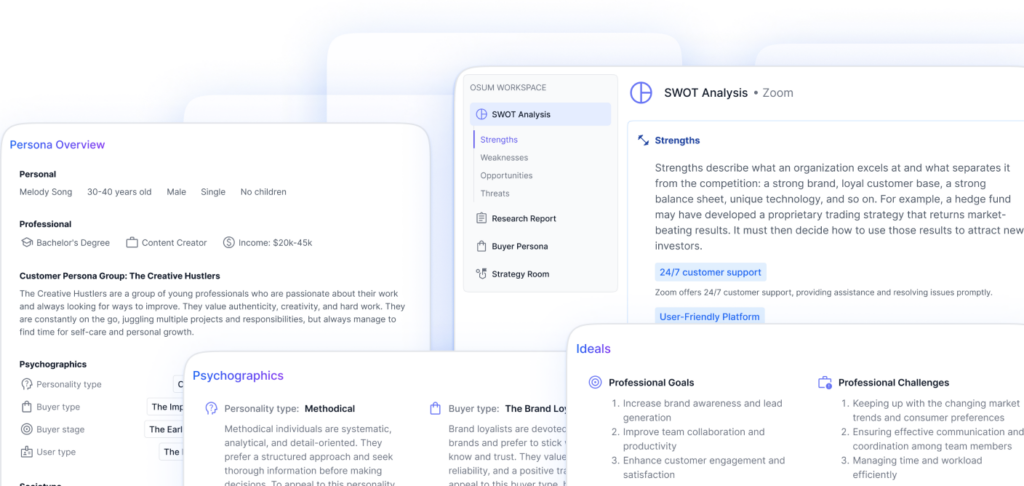
To effectively navigate the buyer journey and maximize business growth, it is essential to understand the concept of buyer personas. Buyer personas are specific individuals who represent your typical or ideal customer. They are created based on research and insights and provide a comprehensive understanding of your customers’ motivations, values, preferences, and dislikes (Digital Current).
Importance of Buyer Personas
Buyer personas play a crucial role in shaping marketing strategies, sales approaches, product development, and customer support efforts. They help businesses gain deep customer insights and ensure cross-departmental alignment. By having a clear understanding of your ideal customer, you can tailor your messaging, offerings, and customer experiences to meet their needs and preferences.
Developing accurate buyer personas allows businesses to:
- Target the Right Audience: By identifying the characteristics and preferences of your ideal customers, you can focus your marketing efforts on attracting and retaining those individuals who are most likely to engage with your products or services.
- Enhance Customer Understanding: Buyer personas provide valuable insights into customer behaviors, motivations, and pain points. This understanding helps you anticipate their needs and deliver personalized experiences that resonate with them.
- Align Departments: By sharing buyer personas across departments, such as marketing, sales, product development, and customer support, you ensure that all teams have a unified view of the ideal customer. This alignment enables consistent and targeted messaging throughout the buyer journey.
Creating Effective Buyer Personas
Developing effective buyer personas involves thorough research and analysis of your target audience. Start by collecting data from various sources, such as interviews, surveys, website analytics, and customer feedback. This information forms the foundation for constructing detailed profiles of your ideal customers.
When creating buyer personas, consider including the following elements:
- Demographic Information: This includes age, gender, location, occupation, income level, and other relevant demographic factors.
- Goals and Motivations: Understand what drives your customers. What are their primary goals and motivations when seeking a product or service like yours?
- Challenges and Pain Points: Identify the challenges and pain points your customers face. This information helps you tailor your offerings and messaging to address their specific needs.
- Buying Behaviors: Analyze your customers’ buying behaviors, including how they research products, where they seek information, and what influences their purchasing decisions.
- Preferred Communication Channels: Determine the platforms and channels your customers use to engage with brands. This knowledge helps you target your marketing efforts effectively.
By creating detailed and accurate buyer personas, you can develop targeted strategies and deliver personalized experiences that resonate with your ideal customers. For examples and templates of buyer journey maps, explore our customer journey mapping examples and buyer journey map template resources.
Implementing Customer Journey Maps
To effectively understand and cater to the needs of customers, implementing customer journey maps is essential. These maps provide businesses with valuable insights into the various stages of a customer’s journey, helping them identify key touchpoints, pain points, and opportunities for improvement. Let’s explore the significance of customer journey maps and how to develop comprehensive ones.
Significance of Customer Journey Maps
According to Salesforce, high-performing teams consider a customer journey strategy critical to the success of their overall marketing efforts (Woopra). Customer journey maps allow businesses to visualize the entire buying process, from the initial awareness stage to the final purchase decision. By understanding the customer’s perspective and their interactions with your brand, you can make informed decisions to enhance customer experiences and drive growth.
A customer journey map provides a comprehensive view of each touchpoint a customer interacts with on their way to making a purchase (Woopra). These touchpoints include various channels, such as advertisements, articles, social media, and customer service interactions. By mapping these touchpoints, businesses can identify areas where they can optimize and enhance the customer experience.
Developing Comprehensive Maps
To develop comprehensive customer journey maps, it’s important to consider the entire buyer’s journey. This includes the stages of awareness, consideration, and decision-making (Neil Patel).
-
Awareness: The customer journey typically begins when a prospect becomes aware of your product or service. This can happen through advertisements, articles, referrals, or other forms of marketing. Understanding how customers become aware of your brand and what channels they engage with is crucial for effective mapping.
-
Consideration: During the consideration phase, customers evaluate different options and compare them. This is a critical stage where influencing customers can increase the chances of making a sale. Identifying the factors that influence customers’ decision-making and providing the necessary information and resources can help drive conversions.
-
Decision: The decision stage is where customers make the final choice to purchase or not. Factors such as price, product quality, and customer service play a significant role in this stage. Understanding the customer’s decision-making process and addressing any concerns or roadblocks they may have is essential to closing the sale.
In addition to these stages, customer journey maps should also consider pain points, frictions, and emotional aspects of the journey. Identifying constraints, concerns, frustrations, and issues that customers may encounter throughout their journey is crucial (Neil Patel). By addressing these roadblocks, businesses can create a seamless and positive customer experience.
When developing customer journey maps, leveraging buyer personas is highly beneficial. Personas provide a human-centered perspective, helping businesses understand how different users interact with their product or service at various touchpoints (emagine). By incorporating personas into the mapping process, businesses can enhance their understanding of customers and tailor their strategies accordingly.
By implementing customer journey maps and taking a customer-centric approach, businesses can optimize their customer experiences, identify areas for improvement, and drive growth. It is an ongoing process that requires continuous evaluation and refinement to meet the evolving needs of customers.
Key Elements of Buyer Journey Mapping
To create an effective buyer journey map, it’s crucial to consider key elements that provide valuable insights into the customer’s experience. These elements include touchpoints and interactions, pain points and frictions, and emotional journey mapping.
Touchpoints and Interactions
Customer touchpoints play a vital role in the buyer journey map. These touchpoints represent the various points of contact, interaction, or information-gathering that customers encounter throughout their journey, whether initiated by the brand or reflecting the brand experience (Choice Hacking). Touchpoints can include website visits, social media engagement, customer service interactions, email communications, and more.
By identifying and analyzing these touchpoints, businesses can gain a deeper understanding of the customer’s experience at each stage of the journey. This understanding helps in optimizing interactions, ensuring consistency, and identifying areas for improvement. Mapping out touchpoints allows businesses to create a holistic view of the customer’s journey and identify opportunities to enhance the overall experience.
Pain Points and Frictions
Pain points and frictions refer to the significant challenges or moments of friction that customers encounter during their journey (Choice Hacking). These are the hurdles that customers face, which can hinder their progress and affect their overall satisfaction with the brand.
Identifying and addressing these pain points is crucial for improving the customer experience. By understanding the challenges customers face, businesses can take proactive measures to eliminate or minimize these hurdles. This may involve streamlining processes, improving communication, or providing additional support and resources. Resolving pain points and frictions helps to create a smoother and more enjoyable journey for the customer, ultimately leading to higher customer satisfaction and loyalty.
Emotional Journey Mapping
The emotional journey is an essential aspect of the buyer journey map. It focuses on tracking and understanding the emotions that customers experience throughout their journey. Emotions play a significant role in shaping perceptions and decision-making, making it crucial for businesses to consider the emotional impact of each touchpoint.
By mapping out the emotional journey, businesses can identify emotional peaks and valleys in the customer experience. This insight helps in designing strategies to enhance emotional engagement and create positive emotional connections with customers. By understanding the emotional journey, businesses can align their messaging, branding, and customer interactions to create a more resonant and impactful experience.
Incorporating these key elements into the buyer journey map provides a comprehensive understanding of the customer experience. By mapping touchpoints and interactions, identifying pain points and frictions, and tracking the emotional journey, businesses can gain valuable insights to optimize the buyer journey and drive growth. To explore more examples and templates of customer journey maps, visit our article on customer journey mapping examples.
Utilizing Buyer Personas in Journey Mapping
When it comes to creating effective buyer journey maps, buyer personas play a crucial role in providing a human-centered perspective and enhancing overall customer understanding. Personas are detailed and fictional representations of specific user segments, embodying characteristics, needs, behaviors, and goals of real individuals within a target audience (emagine).
Role of Personas in Mapping
Buyer personas serve as the foundation for journey mapping, illustrating how different users may interact with a product or service at various touchpoints. By creating personas, businesses can gain valuable insights into their customers’ diverse needs, preferences, and pain points. These insights help guide the development of effective journey maps that align with the customer’s perspective.
Personas allow businesses to view the buyer journey through the eyes of their customers, helping them understand the motivations, expectations, and challenges at each stage. By incorporating persona-specific details such as age, location, interests, and goals, journey maps can be tailored to address the unique needs of different customer segments. This enables businesses to design experiences that resonate with their target audience and drive customer satisfaction.
Enhancing Customer Understanding
Creating buyer personas and journey maps sets the stage for creating audience-driven experiences throughout an enterprise. By understanding their customers better, businesses can design products, services, or experiences that meet their diverse needs. The insights gained from personas help guide decision-making across departments, ensuring cross-departmental alignment in understanding the ideal customer.
To enhance customer understanding, businesses must gather data from multiple sources, including existing customers, CRM tools, surveys, and focus groups. This data helps create accurate and representative buyer personas, allowing businesses to create journey maps that accurately reflect the customer experience.
By utilizing buyer personas in journey mapping, businesses can improve their understanding of customer preferences, pain points, and emotions throughout the buyer journey. This knowledge enables them to optimize touchpoints, address frictions, and deliver personalized experiences that resonate with their target audience. The continuous refinement of buyer personas and journey maps ensures that businesses stay aligned with their customers’ evolving needs and preferences.
In the next section, we will explore the importance of enhancing customer experiences by aligning across departments and evolving buyer personas.
Enhancing Customer Experiences
To truly enhance customer experiences, businesses must focus on aligning across departments and continuously evolving their buyer personas. By doing so, they can gain a deeper understanding of their customers and deliver more personalized and effective interactions throughout the buyer journey.
Aligning Across Departments
One of the key aspects of enhancing customer experiences is ensuring alignment across departments. This alignment is crucial because it enables marketing, sales, product development, and customer support teams to have a unified view of the ideal customer (Social Media Today). By working together and sharing insights, these departments can deliver a seamless and consistent experience to customers at every touchpoint.
Aligning across departments involves breaking down organizational silos and fostering collaboration. It requires open communication channels and a shared understanding of the buyer personas and their journey. By leveraging tools such as customer experience journey maps and buyer journey maps, teams can gain a visual representation of the buyer’s journey and identify areas where cross-departmental alignment is critical. This alignment ensures that every interaction with the customer is tailored to their needs and preferences.
Evolving Buyer Personas
Buyer personas play a vital role in understanding customers and guiding decision-making across departments. These personas represent typical or ideal customers and provide a deep understanding of their motivations, values, preferences, and dislikes.
However, buyer personas are not static. To enhance customer experiences, businesses must continuously evolve their buyer personas based on the changing needs and behaviors of their target audience. This evolution involves gathering feedback from customers, conducting market research, and analyzing data to stay up to date with the latest trends and insights.
By regularly updating and refining buyer personas, businesses can ensure that their strategies, messaging, and interactions remain relevant and resonant with their customers. This dynamic approach allows organizations to adapt and respond effectively to evolving customer expectations and preferences.
To support the evolution of buyer personas, businesses can leverage tools and frameworks such as customer journey mapping. Customer journey maps provide a comprehensive view of the customer’s experience, highlighting pain points, frictions, and emotional aspects of their journey (Forrester). By incorporating the insights gained from journey mapping into the development and refinement of buyer personas, businesses can gain a more holistic understanding of their customers’ needs and aspirations.
By aligning across departments and continuously evolving buyer personas, businesses can enhance customer experiences and build deeper connections with their target audience. This customer-centric approach allows organizations to deliver tailored, personalized, and meaningful interactions throughout the buyer journey, ultimately driving growth and loyalty.
Industry Trends and Insights
Staying up-to-date with industry trends and insights is crucial for businesses looking to leverage buyer personas and journey maps for growth. Understanding the latest buyer-centric approaches and utilizing tools for personalization can significantly enhance the effectiveness of your marketing efforts.
Buyer-Centric Approaches
In a rapidly evolving business landscape, companies are increasingly recognizing the importance of adopting buyer-centric approaches. According to Bizibl, 88 percent of companies believe that their growth depends on personalizing the customer experience, but only 37 percent feel they have the necessary tools to deliver exceptional customer experiences. To bridge this gap, businesses are investing in comprehensive buyer personas and customer journey maps. These tools provide valuable insights into customer behavior, preferences, pain points, and motivations, enabling organizations to tailor their marketing strategies and deliver relevant and personalized experiences (Bizibl).
By developing a deep understanding of your target audience through well-crafted buyer personas, you can create customer journey maps that illuminate how customers engage with your brand at each stage of their buying journey. This knowledge empowers you to align your marketing efforts with the needs and expectations of your customers, ultimately driving greater satisfaction and loyalty.
Tools for Personalization
To implement buyer-centric approaches effectively, businesses need to utilize the right tools for personalization. Developing comprehensive buyer personas that accurately represent your target customers is the crucial first step. These personas should go beyond demographic information and delve into the motivations, goals, challenges, and preferences of your customers. By understanding their needs and aspirations, you can tailor your messaging, content, and offers to resonate with them on a deeper level.
Another essential tool for personalization is the customer journey map. This map outlines the various touchpoints and interactions a customer has with your brand throughout their buying journey. It helps identify pain points, frictions, and opportunities for improvement, enabling you to enhance the customer experience at every stage.
In addition to buyer personas and journey maps, advanced marketing automation platforms and customer relationship management (CRM) systems can provide valuable insights and enable personalized communication with your customers. These tools allow you to segment your audience, deliver targeted messages, and track customer interactions to provide a seamless and personalized experience.
By leveraging buyer-centric approaches and utilizing tools for personalization, businesses can gain a competitive edge in today’s market. By understanding the needs and preferences of their customers and delivering personalized experiences, organizations can build stronger relationships, drive customer loyalty, and fuel business growth.
To learn more about customer journey mapping and explore buyer persona journey map examples, check out our articles on customer experience journey map and customer journey mapping examples.