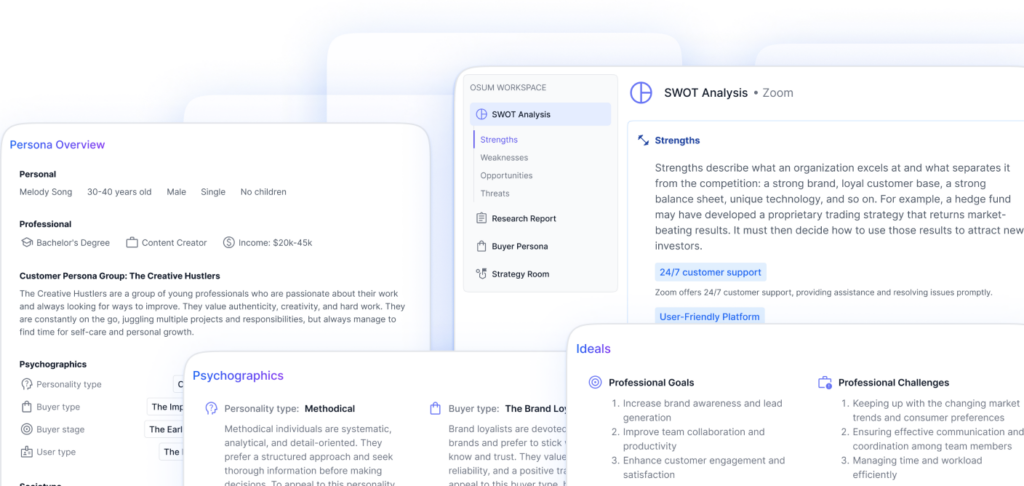

SWOT Analysis for Cafe Businesses
To conduct a comprehensive analysis of a cafe business, it is essential to explore its strengths, weaknesses, opportunities, and threats. In this section, we will focus on the weaknesses commonly associated with cafe businesses, including high competition in the cafe industry, maintaining consistent quality, cash flow issues, marketing and branding challenges, and location-related weaknesses.
High Competition in the Cafe Industry
One of the main weaknesses faced by cafe businesses is the high level of competition in the industry. With numerous cafes vying for customers’ attention, it can be challenging to stand out in a saturated market. To address this weakness, cafe owners should focus on developing unique selling propositions, such as offering specialty coffee blends, unique menu items, or creating a distinct ambiance that appeals to a specific target market. By differentiating themselves from competitors, cafes can attract and retain a loyal customer base.
Maintaining Consistent Quality
Consistency in quality is crucial for any cafe business. However, it can be a significant weakness due to factors such as variations in staff performance, ingredient quality, and equipment maintenance. Inconsistency in the taste and presentation of food and beverages can lead to a loss of customer loyalty and negative reviews (OSUM). To address this weakness, cafes should implement rigorous training programs for their staff, closely monitor ingredient quality, and regularly maintain and upgrade equipment to ensure consistent delivery of high-quality products and services.
Cash Flow Issues
Cafe businesses often face cash flow challenges, particularly during the initial startup phase, slower seasons, or unexpected expenses (Headstartt). Insufficient cash flow can hinder the smooth operation and growth of the business. To address this weakness, cafes should develop effective financial management strategies, including proper budgeting, managing costs, and exploring alternative sources of funding. Implementing efficient inventory management practices and negotiating favorable terms with suppliers can also help improve cash flow.
Marketing and Branding Challenges
Marketing and branding challenges pose another weakness for cafe businesses. Establishing brand awareness and attracting a loyal customer base can be difficult in a competitive market (Headstartt). To address this weakness, cafes should develop effective marketing strategies that highlight their unique value proposition and engage with their target audience. Utilizing social media platforms, collaborating with influencers, and participating in local events can help create brand visibility and attract new customers. Additionally, focusing on consistent branding across all touchpoints, including signage, menus, and online presence, can help build a strong brand identity.
Location-Related Weaknesses
The choice of location can significantly impact the success and profitability of a cafe business. Weaknesses related to location may include high rent costs, inadequate foot traffic, or poor visibility (Headstartt). To address this weakness, cafe owners should conduct thorough market research to identify areas with high foot traffic and the right target market. Careful consideration should be given to factors such as accessibility, parking availability, and proximity to complementary businesses. Selecting the right location can maximize the cafe’s exposure and attract a steady flow of customers (OSUM).
By recognizing and addressing these weaknesses, cafe businesses can implement strategies to mitigate their impact and position themselves for long-term success. It is crucial for cafe owners to proactively assess and improve upon these weaknesses to enhance their overall operations and customer satisfaction.
Strategies to Address Cafe Business Weaknesses
To overcome the weaknesses commonly faced by cafe businesses, it is essential to implement effective strategies that address these challenges. Here are some strategies to consider:
Standing Out in a Saturated Market
One of the primary weaknesses of cafe businesses is the high competition in the industry, which can make it challenging to stand out and attract customers in a saturated market. To address this, it is crucial to develop a unique selling proposition (USP) that sets your cafe apart from competitors. This can be achieved through offering specialty coffees, unique menu items, a distinct ambiance, or exceptional customer service. By focusing on what makes your cafe special, you can attract and retain customers in a highly competitive landscape.
Improving Employee Retention and Training
Managing employee retention and training is key to addressing weaknesses in cafe businesses. High employee turnover rates can impact customer service quality, consistency, and the overall customer experience. To improve employee retention, invest in comprehensive training programs that empower your staff with the skills and knowledge needed to excel in their roles. Additionally, create a positive work environment, offer competitive compensation packages, and provide opportunities for career growth and advancement. By fostering a supportive and engaging workplace culture, you can increase employee loyalty and reduce turnover.
Managing Cash Flow Effectively
Cash flow issues are a common weakness in cafe businesses, particularly during startup phases, slower seasons, or unexpected expenses. To address this, it is crucial to manage cash flow effectively. Develop a detailed financial plan that includes accurate revenue projections, expense management strategies, and contingency plans for unforeseen circumstances. Implementing efficient inventory management systems, negotiating favorable terms with suppliers, and closely monitoring expenses can help optimize cash flow and ensure the financial stability of your cafe.
Effective Marketing and Branding Strategies
Marketing and branding challenges are another weakness faced by cafe businesses (Headstartt). To address this, develop effective marketing and branding strategies that create awareness, differentiate your cafe from competitors, and attract a loyal customer base. Utilize digital marketing channels such as social media, email marketing, and a well-designed website to reach and engage with your target audience. Develop a strong brand identity that aligns with your cafe’s values and resonates with your customers. Implement creative promotions, partnerships with local businesses, and community involvement to increase brand visibility and customer loyalty.
Choosing the Right Location
Location-related weaknesses can significantly impact the success and profitability of a cafe (Headstartt). To address this, carefully consider the selection of your cafe’s location. Conduct thorough market research to identify areas with high foot traffic, a target customer base that aligns with your offerings, and a competitive landscape that allows for growth. Assess the rent costs, visibility, parking availability, and proximity to complementary businesses. Choosing the right location that maximizes your cafe’s exposure and accessibility can contribute to its overall success.
By implementing these strategies, cafe businesses can effectively address their weaknesses and position themselves for success in a competitive market. It is important to continuously evaluate and adapt these strategies to stay ahead of industry trends and changing customer preferences.
Importance of Customer Retention for Cafe Businesses
In the highly competitive cafe industry, customer retention plays a crucial role in the success and sustainability of cafe businesses. Building a loyal customer base is essential for long-term growth and profitability. In this section, we will explore the importance of customer retention and strategies to achieve it.
The Value of Repeat Customers
Approximately 90% of the revenue generated by coffee shops comes from repeat customers, highlighting the significant impact of customer retention on the financial performance of a cafe business (LinkedIn). Repeat customers not only contribute to consistent sales but also serve as brand advocates, spreading positive word-of-mouth and attracting new customers to the cafe. By nurturing and retaining existing customers, cafes can establish a loyal customer base that fuels their growth and success.
Consistent Branding Strategies
Successful coffee shops prioritize consistent branding strategies as a means to connect with their customers on a deeper level. These strategies create an environment that reflects the cafe’s branding across various touchpoints, from cups and decor to phone apps. Consistency fosters identification among patrons and creates a unique experience that customers can associate with the cafe’s brand (LinkedIn). By maintaining a strong and recognizable brand identity, cafes can build trust and loyalty among their customers.
Promotional Activities for Customer Retention
Promotional activities are vital for customer retention in cafe businesses. Many coffee shops offer incentives such as contests, rewards programs, buy-one-get-one-free (BOGO) offers, and free drinks on birthdays to encourage customer return. These activities not only provide immediate value to customers but also create a sense of appreciation and belonging. By consistently engaging customers through well-designed promotional campaigns, cafes can foster customer loyalty and encourage repeat visits.
Personalizing Customer Experiences
Baristas in successful coffee shops go the extra mile to personalize customer experiences. They make an effort to know their customers’ names, hobbies, jobs, and drink preferences. This level of personalization creates a sense of belonging and loyalty among customers. It can be replicated in other businesses through Customer Relationship Management (CRM) strategies. By investing in understanding their customers and tailoring experiences to their preferences, cafes can create lasting connections and increase customer retention (LinkedIn).
In conclusion, customer retention is paramount for the success and growth of cafe businesses. By recognizing the value of repeat customers, implementing consistent branding strategies, organizing promotional activities, and personalizing customer experiences, cafes can build a loyal customer base that will support their business in the long run. Prioritizing customer retention is an essential aspect of achieving profitability and establishing a strong foothold in the competitive cafe industry.
SWOT Analysis of a Cafe Business
Conducting a SWOT analysis for your cafe business can provide valuable insights into its strengths, weaknesses, opportunities, and threats. This analysis enables you to identify areas for improvement and develop strategies to maximize your cafe’s potential. Let’s explore each aspect of the SWOT analysis.
Strengths of the Cafe
The strengths of a cafe business are the internal factors that contribute to its success and competitiveness in the market. These may include:
- Unique and delicious food and drinks that set your cafe apart from competitors.
- A beautiful cafe design that creates an inviting and comfortable atmosphere for customers.
- Friendly and knowledgeable staff who provide excellent customer service.
- Positive online reviews and a strong reputation within the community.
By capitalizing on these strengths, you can enhance your cafe’s reputation and attract a loyal customer base. It’s crucial to maintain and build upon these strengths while addressing any weaknesses that may hinder your cafe’s growth.
Weaknesses of the Cafe
Identifying weaknesses is essential for understanding the areas where your cafe may be lacking or underperforming. Some common weaknesses in cafe businesses include:
- Limited seating capacity, which can lead to customer dissatisfaction during peak hours.
- Limited hours of operation, potentially limiting your target market.
- Lack of an online presence, making it difficult for potential customers to find information about your cafe.
Addressing these weaknesses is crucial for improving overall performance and competitiveness. Strategies such as expanding seating capacity, extending operating hours, and establishing an online presence can help mitigate these weaknesses and attract more customers.
Opportunities for the Cafe
Opportunities are external factors that can positively impact your cafe business. These may include:
- Growing demand for specialty coffee and unique cafe experiences.
- Increasing interest in health-conscious food and beverage options.
- Emerging trends in the cafe industry, such as sustainability and local sourcing.
By recognizing and leveraging these opportunities, you can stay ahead of the competition and attract a larger customer base. It’s important to monitor cafe industry trends and conduct cafe market analysis to identify new opportunities and tailor your offerings accordingly.
Threats to the Cafe
Threats are external factors that can potentially harm your cafe business. These may include:
- Intense competition from other cafes and coffee chains in the area.
- Economic downturns or recessions that impact consumer spending habits.
- Rising costs of ingredients, rent, and utilities, affecting profitability.
Being aware of these threats allows you to develop strategies to mitigate their impact. For example, you can differentiate your cafe from competitors by highlighting your unique offerings and providing exceptional customer service. Additionally, efficient cost management and exploring partnerships with local suppliers can help mitigate the impact of rising costs.
By conducting a comprehensive SWOT analysis, you can gain a deeper understanding of your cafe business and develop strategies to leverage its strengths, address weaknesses, capitalize on opportunities, and mitigate threats. This analysis serves as a valuable tool for making informed decisions and steering your cafe towards success.
Overcoming Financial Challenges in Cafe Businesses
Cafe businesses face various financial challenges that can impact their profitability and long-term sustainability. Addressing these challenges is crucial for the success of the business. Here are some key areas to focus on when overcoming financial challenges in cafe businesses.
Seasonal Fluctuations
One of the weaknesses of cafe businesses is their vulnerability to seasonal fluctuations, which can lead to unpredictable revenue streams and financial challenges. Slow seasons with decreased foot traffic can significantly impact sales and cash flow negatively. To overcome this challenge, cafe owners can implement strategies such as:
- Introducing seasonal menu items or promotions to attract customers during slower periods.
- Offering catering services or partnering with local businesses for events and functions.
- Emphasizing loyalty programs and incentives to encourage repeat business.
By proactively addressing seasonal fluctuations, cafe businesses can mitigate the financial impact during slower periods and maintain a more consistent revenue stream.
Managing Overhead Costs
High overhead costs pose a significant challenge for cafe businesses. These costs include rent, utilities, equipment, and payroll, which can eat into profits if not managed efficiently. To overcome this challenge, cafe owners can:
- Regularly review and negotiate lease agreements to ensure competitive rental rates.
- Implement energy-efficient practices and technologies to reduce utility expenses.
- Optimize staffing levels and streamline processes to control payroll costs.
- Consider shared spaces or partnerships to reduce equipment expenses.
By effectively managing overhead costs, cafe businesses can improve their financial health and increase profitability.
Dealing with Intense Competition
Intense competition is another weakness faced by cafe businesses. The cafe industry is highly competitive, with numerous cafes and alternative food and beverage establishments vying for customers. To stand out and overcome this challenge, cafe owners can:
- Differentiate their cafe by offering unique menu items, specialty beverages, or a distinct ambiance.
- Focus on exceptional customer service to cultivate loyalty and attract new customers through positive word-of-mouth.
- Collaborate with local businesses and organizations to create mutually beneficial partnerships and cross-promotions.
- Stay informed about cafe industry trends and cafe market analysis to identify opportunities and adapt to changing consumer preferences.
By implementing effective strategies to address competition, cafe businesses can attract and retain customers, leading to improved financial performance.
Efficient Inventory Management
Inventory management can be a weakness for cafe businesses, leading to financial losses due to improper stocking levels, waste, spoilage, and shrinkage. To overcome this challenge, cafe owners can:
- Implement inventory control systems to track and manage stock levels effectively.
- Analyze sales data and trends to forecast demand and adjust inventory accordingly.
- Establish relationships with reliable suppliers to ensure consistent and timely deliveries.
- Minimize waste and spoilage through careful portion control and menu planning.
Efficient inventory management practices can help cafe businesses optimize costs, reduce losses, and improve overall financial performance.
Embracing Technology and Digital Presence
A lack of technology adoption and digital presence can hinder the growth and competitiveness of cafe businesses. In today’s digital age, online ordering, delivery services, and digital marketing are essential for attracting customers and expanding reach. To overcome this challenge, cafe owners can:
- Develop a user-friendly website with online ordering capabilities.
- Partner with popular food delivery platforms to reach a wider customer base.
- Leverage social media platforms to engage with customers, share promotions, and build brand awareness.
- Implement technology solutions such as point-of-sale systems and customer relationship management tools to streamline operations and improve efficiency.
By embracing technology and establishing a strong digital presence, cafe businesses can tap into new revenue streams and enhance their financial performance.
By addressing these financial challenges proactively, cafe businesses can strengthen their operations and improve profitability. Each challenge presents an opportunity for innovation and growth, allowing cafe owners to navigate the competitive landscape and thrive in the industry.