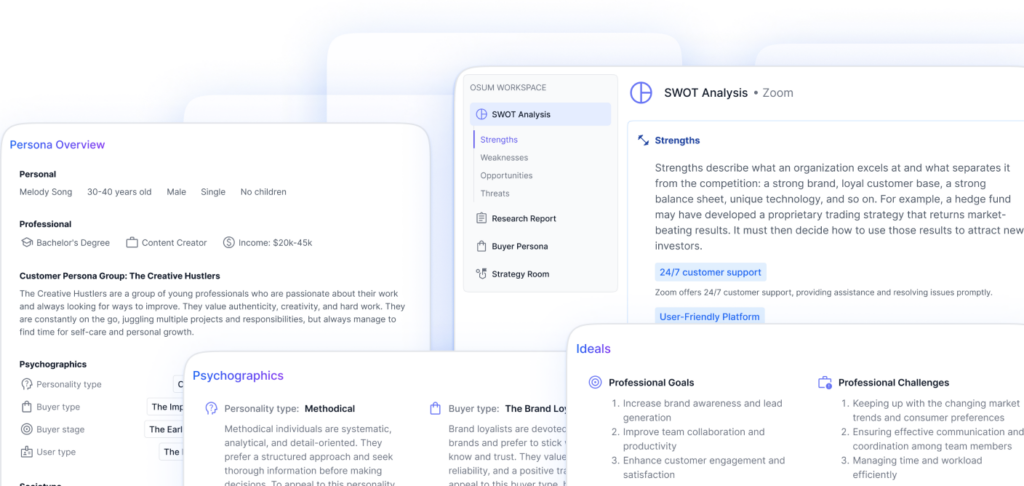

Introduction to Casino SWOT Analysis
In order to gain a comprehensive understanding of the casino industry and its position in the market, conducting a SWOT analysis is crucial. This analysis helps identify the industry’s strengths, weaknesses, opportunities, and threats, enabling casino businesses to make informed decisions and develop effective strategies to navigate the ever-changing landscape of the industry.
What is SWOT Analysis?
SWOT analysis is a strategic planning tool that assesses the internal and external factors influencing a business or industry. The acronym stands for Strengths, Weaknesses, Opportunities, and Threats. By evaluating these four aspects, businesses can gain insights into their current situation, identify areas of improvement, and capitalize on potential opportunities while mitigating risks.
In the context of the casino industry, conducting a SWOT analysis allows businesses to evaluate their competitive advantages, recognize areas for improvement, identify emerging opportunities, and anticipate potential threats. This analysis serves as a foundation for effective decision-making, enabling businesses to align their strategies with the dynamic nature of the industry.
Importance of SWOT Analysis in the Casino Industry
The casino industry is a significant contributor to economic development, with a substantial impact on various aspects such as GDP, job creation, tax revenue, and personal income. Understanding the strengths of the industry, such as its economic multiplier effect and spin-off economic activities, helps businesses leverage these advantages to maximize their impact on local economies.
On the other hand, recognizing the weaknesses of the industry, such as vulnerability to economic downturns and regulatory challenges, enables businesses to develop strategies to mitigate these risks and ensure long-term sustainability (Statista). Furthermore, identifying emerging opportunities, such as the expansion of online gambling platforms and international growth, allows businesses to adapt and capitalize on changing trends and consumer preferences (GlobalData).
Lastly, understanding the threats faced by the industry, such as competition from other forms of entertainment and the impact of events like the COVID-19 pandemic, helps businesses proactively address these challenges and develop contingency plans to mitigate potential risks (Statista).
In conclusion, conducting a SWOT analysis is essential in the casino industry as it provides a comprehensive overview of the industry’s internal and external factors. By understanding the strengths, weaknesses, opportunities, and threats, casino businesses can make informed decisions, develop effective strategies, and stay ahead in this dynamic and competitive industry.
Strengths of the Casino Industry
The casino industry possesses several strengths that contribute to its overall success and impact on the economy. These strengths include economic impact and revenue generation, job creation and employment opportunities, and spin-off economic activities.
Economic Impact and Revenue Generation
The casino industry plays a significant role in driving economic growth and generating revenue. Every dollar spent in casinos creates a larger economic impact, ranging from $2 to $3 in terms of GDP, jobs, taxes, and personal income, according to the Federal Reserve Bank of St. Louis. In 2001 alone, U.S. casinos generated $25.7 billion in total revenues, with Nevada accounting for nearly one-third of the total. These revenues have continued to grow over the years, bolstering the economy (Federal Reserve Bank of St. Louis).
Table: Casino Industry Revenue Statistics
| Year | Total Revenues (in billions) |
|---|---|
| 2001 | $25.7 |
| … | … |
| Source | … |
Furthermore, casinos have become a significant source of state revenues, with $4.5 billion collected in FY 2001 from commercial, racetrack, and Native American casinos (Federal Reserve Bank of St. Louis). This revenue stream contributes to public services, infrastructure development, and various government initiatives.
Job Creation and Employment Opportunities
The casino industry is a substantial contributor to employment figures, providing both direct and indirect job opportunities. In 2001, the industry created over 1 million jobs, making a significant impact on employment across different states. These jobs span a wide range of roles, including dealers, security personnel, restaurant staff, and hotel workers, among others. The employment opportunities offered by the casino industry contribute to local economies and provide individuals with stable income sources.
Spin-off Economic Activities
The casino industry also fuels spin-off economic activities that stimulate local economies. This includes the development of lodging, food services, entertainment venues, and other businesses that cater to the needs of casino visitors. These ancillary industries benefit from the presence of casinos, attracting additional tourism and generating revenue for local businesses. The spin-off economic activities generated by the casino industry contribute to the overall growth and prosperity of communities.
The strengths of the casino industry, such as its economic impact, revenue generation, job creation, and spin-off economic activities, underscore its importance and positive influence on the economy. By understanding these strengths, casino businesses can leverage them to further enhance their operations and contribute to the growth of their respective regions.
Weaknesses of the Casino Industry
While the casino industry has its strengths, it also faces certain weaknesses that can impact its operations and profitability. In this section, we will explore three key weaknesses of the casino industry: vulnerability to economic downturns, dependency on tourism and travel, and regulatory challenges and legal restrictions.
Vulnerability to Economic Downturns
The casino industry is particularly vulnerable to economic downturns, as demonstrated by the significant decrease in market value during the COVID-19 pandemic. The closure of casinos and travel restrictions imposed to curb the spread of the virus had a profound impact on the industry’s revenue and profitability (GlobalData).
During times of economic uncertainty, individuals may reduce discretionary spending, including entertainment activities like gambling. This can result in a decline in customer visits and overall revenue for casinos. Therefore, it is crucial for casino businesses to have contingency plans in place to navigate through economic downturns and mitigate the impact on their operations.
Dependency on Tourism and Travel
The casino industry heavily relies on tourism and travel for its success. However, factors such as geopolitical events, natural disasters, and global health crises can significantly impact tourism and travel patterns. The COVID-19 pandemic, for example, led to travel restrictions and a decline in international tourism, severely affecting the casino industry worldwide.
Casinos located in popular tourist destinations may experience fluctuations in customer footfall due to changes in travel trends or shifts in consumer preferences. It is essential for casino businesses to diversify their customer base and explore strategies to attract local customers as well.
Regulatory Challenges and Legal Restrictions
Regulatory challenges and legal restrictions pose a constant threat to the casino industry. Governments may impose stricter regulations or limitations on gambling activities, which can impact the operations and profitability of casinos. Additionally, legal restrictions in certain jurisdictions may limit the establishment and expansion of casinos.
During the COVID-19 pandemic, the casino industry faced significant regulatory challenges and legal restrictions, with many establishments being forced to shut down or operate at limited capacity to comply with health and safety guidelines (GlobalData). These restrictions highlighted the need for adaptability and resilience within the industry.
To navigate regulatory challenges and legal restrictions, casino businesses need to stay updated on the evolving regulations in their respective jurisdictions and proactively engage with policymakers to advocate for favorable operating conditions.
Understanding and addressing these weaknesses is crucial for casino businesses to develop effective strategies and mitigate potential risks. By diversifying revenue streams, exploring online gambling platforms, and adapting to changing consumer preferences, the industry can overcome these weaknesses and continue to thrive.
Opportunities in the Casino Industry
The casino industry is not without its share of opportunities for growth and innovation. By capitalizing on these opportunities, businesses can stay ahead of the competition and adapt to the changing landscape of the industry. In this section, we will explore three key opportunities in the casino industry: the expansion of online gambling platforms, emerging markets and international growth, and technological advancements and innovation.
Expansion of Online Gambling Platforms
One of the significant opportunities in the casino industry lies in the expansion of online gambling platforms. Online casinos have witnessed a surge in popularity due to their convenience and accessibility, contributing to the overall growth of the global gambling market. The ability to offer a wide range of casino games virtually has attracted a new generation of players who prefer the flexibility of playing from their own homes.
By investing in online gambling platforms, casino businesses can tap into a broader customer base and reach players from around the world. The global market size of the casino sector reached $131 billion in 2021, with a significant growth of 19% compared to the previous year, indicating the potential for online gambling (GlobalData). It is important for casino operators to adapt their strategies to cater to the growing demand for online gambling and provide a seamless and secure gaming experience for players.
Emerging Markets and International Growth
Another opportunity in the casino industry lies in exploring emerging markets and international growth. The global gambling market has been expanding steadily, with a projected growth from $449.3 billion in 2018 to reach $565.4 billion by 2022. This growth can be attributed to the increasing popularity of casinos and the rise of online gambling platforms.
There are numerous countries and regions that present untapped potential for casino businesses. By expanding into these markets, casinos can attract new customers and diversify their revenue streams. For example, the gambling market in the UK was valued at $18.3 billion in 2017, with a significant portion of the revenue coming from online activities. By understanding the unique characteristics and preferences of these emerging markets, casino operators can tailor their offerings to cater to the specific needs of each region.
Technological Advancements and Innovation
Technological advancements and innovation have also opened up new opportunities in the casino industry. Casinos can leverage technology to enhance the gaming experience, improve operational efficiency, and attract a wider audience. For instance, the use of virtual reality (VR) and augmented reality (AR) technologies can provide players with immersive and realistic gaming experiences, transporting them to virtual casino environments.
Additionally, advancements in data analytics and artificial intelligence (AI) can help casinos better understand customer preferences and behavior, allowing for personalized marketing strategies and improved customer service. Technology can also streamline processes such as payment transactions and security measures, ensuring a seamless and secure gaming environment for players.
By staying at the forefront of technological advancements and embracing innovation, casino businesses can differentiate themselves from competitors and provide unique experiences to their customers. It is crucial for casinos to continuously invest in research and development to identify and adopt new technologies that can revolutionize the industry.
As the casino industry continues to evolve, these opportunities can help businesses navigate the ever-changing landscape and drive growth. By expanding online gambling platforms, exploring emerging markets, and embracing technological advancements, casinos can position themselves for long-term success in the dynamic and competitive casino industry.
Threats to the Casino Industry
Despite its strengths and opportunities, the casino industry also faces several threats that can impact its growth and profitability. These threats need to be closely monitored and addressed to ensure the industry’s continued success. Let’s explore some of the key threats faced by the casino industry.
Competition from Other Forms of Entertainment
One of the major threats to the casino industry is the competition from other forms of entertainment. As technology advances, people have access to a wide range of entertainment options, including online gaming, streaming services, and interactive entertainment experiences. These alternatives can divert consumers’ attention and spending away from traditional brick-and-mortar casinos.
To stay competitive, casinos need to adapt and innovate by offering unique experiences and integrating technology into their operations. They can leverage advancements in virtual reality, augmented reality, and interactive gaming to enhance the overall casino experience and appeal to a broader audience.
Changing Consumer Preferences and Demographics
Another threat to the casino industry is the changing preferences and demographics of consumers. The preferences of younger generations, such as millennials and Gen Z, differ from those of older generations. Younger consumers may be more interested in experiences that are social, immersive, and technologically advanced.
To attract and retain younger customers, casinos need to cater to their preferences by offering a diverse range of entertainment options, including interactive games, live performances, and unique dining experiences. They must also adapt their marketing strategies to effectively engage with younger demographics through social media and digital platforms.
Impact of COVID-19 on the Casino Industry
The global pandemic caused by COVID-19 had a significant impact on the casino industry. According to GlobalData, the industry experienced a 24% decrease in market value globally, as casinos had to shut down for a considerable part of the year due to pandemic-related restrictions and lockdowns. Many casino games require close proximity or group participation, making it challenging to comply with social distancing measures.
Although the industry has shown signs of recovery as restrictions eased in certain regions, the ongoing impact of COVID-19 remains a threat. Casinos need to continue implementing strict health and safety measures, adapt their operations to changing regulations, and build consumer confidence to ensure a sustainable recovery.
By addressing these threats, the casino industry can navigate challenges and continue to thrive. It is crucial for casinos to stay attuned to changing consumer preferences, invest in technology and innovation, and adapt their offerings to remain competitive in an ever-evolving entertainment landscape.
Opportunities in the Casino Industry
As the casino industry evolves, it presents various opportunities for growth and development. In this section, we will explore some of the key opportunities that the casino industry offers.
Expansion of Online Gambling Platforms
One of the significant opportunities in the casino industry is the expansion of online gambling platforms. With the advancement of technology and the increasing popularity of online gaming, casinos have embraced the digital landscape to reach a wider audience. The global market size of the casino sector reached $131 billion in 2021, showing a growth of 19% compared to the previous year due to a recovery in demand following the easing of COVID-19 restrictions.
Online gambling platforms provide convenience and accessibility to players, allowing them to enjoy casino games from the comfort of their own homes. The compound annual growth rate for the casino market remained stable overall between 2017 and 2021, with the market value witnessing a significant decline in 2020 due to the pandemic but showing recovery in 2021 after the easing of lockdowns.
Emerging Markets and International Growth
Another opportunity for the casino industry lies in the exploration of emerging markets and international growth. As economies develop and regulations become more favorable, new markets open up for the establishment of casinos. This expansion into new territories allows casinos to tap into previously untapped customer bases and diversify their revenue streams.
With careful market research and strategic planning, casinos can identify countries or regions with potential for growth and establish their presence. By adapting their offerings to suit the cultural and regulatory requirements of these markets, casinos can capitalize on the demand for entertainment and leisure activities.
Technological Advancements and Innovation
Technological advancements and innovation present significant opportunities for the casino industry. Casinos can leverage cutting-edge technologies to enhance the gaming experience, streamline operations, and attract new customers.
For example, the integration of augmented reality (AR) and virtual reality (VR) technologies can transform the way players engage with casino games, creating immersive and realistic experiences. Additionally, the use of artificial intelligence (AI) and machine learning can help casinos analyze customer data, personalize offerings, and improve overall customer satisfaction.
By embracing technological advancements and staying at the forefront of innovation, casinos can differentiate themselves in a competitive market and cater to the evolving preferences of their customers.
As the casino industry continues to evolve, it is crucial for casinos to identify and seize opportunities for growth. Expanding online gambling platforms, exploring emerging markets, and embracing technological advancements are just a few avenues for casinos to thrive in a dynamic and ever-changing industry. By staying agile and adaptable, casinos can position themselves for long-term success.