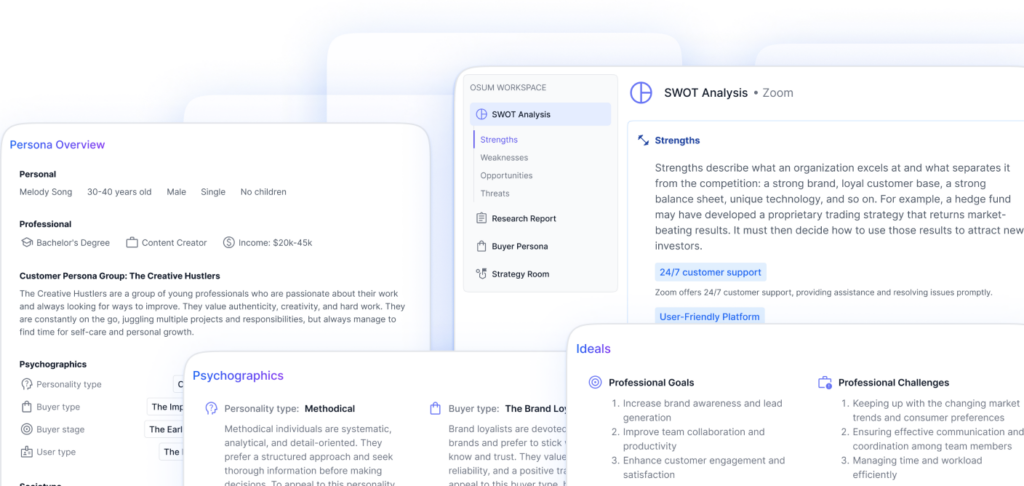

Market Research Overview
To gain a comprehensive understanding of the clothing brand market, conducting thorough market research is essential. This research provides valuable insights into market capitalization and identifies key players in the clothing industry.
Definition of Market Capitalization
Market capitalization, also known as market cap, is a key metric used to assess the value of a publicly listed company. It is typically calculated by multiplying the share price of a company with the total number of outstanding shares. Market cap serves as an indicator of a company’s size and worth in the market. The larger the market cap, the higher the value of the company.
For the clothing industry, market capitalization enables us to evaluate the size and market value of clothing brands. By examining the market cap of various clothing companies, we can identify the leading players in the industry and gain insights into their market share and standing. You can find a list of the largest clothing companies by market capitalization on Companies Market Cap.
Key Players in the Clothing Industry
The clothing industry is highly competitive, with numerous brands vying for market share. Understanding the key players in the industry is crucial for assessing market trends and competition. Some of the top clothing brands in the US include well-known names such as Nike, Ralph Lauren, and Gap. These brands have established themselves as leaders in the market, with a significant presence and loyal customer base.
Analyzing the market share of clothing brands provides valuable insights into their dominance in the industry. By examining factors such as revenue, brand recognition, and customer loyalty, we can determine the market position of different clothing brands. This information is crucial for strategic decision-making, brand positioning, and market expansion.
Market research in the clothing industry helps clothing brands stay informed about the competitive landscape, identify emerging trends, and make data-driven decisions to enhance their market presence and profitability. For a detailed analysis of the clothing brand market, including trends and size, explore our article on clothing brand market analysis.
In the following sections, we will delve into consumer behavior insights, retail landscape analysis, fashion industry forecasts, and e-commerce market dynamics to gain a holistic view of the clothing brand market and equip clothing brands with the knowledge needed for strategic planning and growth.
Consumer Behavior Insights
Understanding consumer behavior is crucial for clothing brands looking to gain market share. In this section, we will explore two key aspects of consumer behavior in the fashion industry: the influence of social media on fashion and the impact of bloggers on apparel purchases.
Social Media Influence on Fashion
Social media platforms have become powerful tools for fashion brands to connect with consumers and influence their purchasing decisions. In 2021, Snapchat reported that 35% of its users expressed interest in fashion and beauty, which is 11% higher than the average social media user. Similarly, Instagram, with its visually focused format, has attracted 31% of users interested in fashion and beauty, offering unique shopping experiences for consumers, influencers, and brands alike. Twitter also plays a role in the fashion space, with 30% of its users showing interest in fashion, and shopping features have been integrated to facilitate connections between consumers and their favorite brands.
These social media platforms provide clothing brands with opportunities to showcase their products, engage with their target audience, and build brand awareness. By leveraging compelling visual content, utilizing influencer collaborations, and implementing targeted advertising campaigns, brands can effectively reach and engage with their desired audience. To stay competitive in the market, clothing brands must adapt to the evolving social media landscape and effectively utilize these platforms to connect with consumers.
Impact of Bloggers on Apparel Purchases
Bloggers have emerged as influential figures in the fashion industry, shaping consumer preferences and driving apparel purchases. In 2019, 23.1% of all Millennials’ apparel purchases were influenced by bloggers, with 12.4% influenced by celebrity bloggers and 10.7% by non-celebrity bloggers. Additionally, bloggers influenced 13.1% of all apparel purchases across all generations in the same year (QuickFrame).
The opinions and recommendations of bloggers hold significant weight in the eyes of consumers. Their authentic and relatable content resonates with audiences, and their ability to showcase clothing brands in a real-life context inspires consumer trust and engagement. Clothing brands often collaborate with bloggers to promote their products through sponsored content, product placements, and affiliate partnerships.
Moreover, as reported by Statista in 2021, online or social media advertisements were cited as influential factors in purchasing decisions for 31% of Gen Z and 29% of Millennials. Additionally, organic posts from the brand itself were influential for 27% of Gen Z and 24% of Millennials (QuickFrame). These statistics highlight the significance of strategically utilizing bloggers and social media advertising to capture the attention and loyalty of target consumers.
By recognizing the influence of social media and bloggers on consumer behavior, clothing brands can develop effective marketing strategies to enhance their market share. Engaging with consumers through social media platforms and partnering with influential bloggers can contribute to increased brand visibility, customer loyalty, and ultimately, greater success in the competitive clothing industry.
Retail Landscape Analysis
Examining the retail landscape is crucial for understanding the market dynamics and trends in the clothing industry. In this section, we will analyze the growth trends in brick-and-mortar stores and the shifts in e-commerce sales.
Growth Trends in Brick-and-Mortar Stores
Contrary to the popular belief of e-commerce dominance, brick-and-mortar stores experienced significant growth in recent years. In 2021, brick-and-mortar stores grew at a rate of 18.5%, outpacing the growth rate of e-commerce, which stood at 14.2% (Forbes). This marked a notable shift in the retail landscape and highlighted the enduring appeal of physical stores.
Retail sales in the United States reached a staggering $6.6 trillion in 2021, representing a growth rate of 17.9% compared to the previous year. It was one of the strongest years in US retail history, demonstrating the resilience and adaptability of brick-and-mortar stores (Forbes).
Shifts in E-Commerce Sales
While brick-and-mortar stores experienced robust growth, the e-commerce sector continued to play a significant role in the clothing industry. In 2021, e-commerce sales accounted for 13.2% of all retail sales in the US. Although this represented a slight decrease from the 13.6% share in 2020 during the height of the pandemic, it was still higher than the pre-pandemic level of 10.7% in 2019. These figures indicate a stabilization in e-commerce market share (Forbes).
Between 2019 and 2021, e-commerce experienced remarkable growth, with a growth rate of 50.5%. This significant increase in online sales points to the strong performance of e-commerce during this period. While brick-and-mortar stores remained dominant, e-commerce made substantial strides in capturing market share and transforming the retail landscape.
Looking ahead to 2022, eMarketer forecasts a 14.1% growth rate for e-commerce, returning to pre-pandemic levels. This projection indicates that e-commerce will continue to be a significant player in the clothing industry, complementing the growth of brick-and-mortar stores.
Understanding the growth trends in both brick-and-mortar stores and e-commerce is essential for clothing brands to develop effective retail strategies. By recognizing the changing dynamics of the retail landscape, brands can optimize their operations, capitalize on emerging opportunities, and cater to the evolving needs of consumers.
Fashion Industry Forecast
As clothing brands navigate the dynamic landscape of the fashion industry, it is crucial to stay informed about the latest developments and trends to make informed business decisions. In this section, we will examine the performance of the luxury sector and explore the global fashion industry growth projections.
Luxury Sector Performance
In 2022, the luxury sector in the fashion industry showcased resilience, outperforming other segments. According to McKinsey, the luxury sector experienced a remarkable 36 percent rise in economic profit, nearly equaling the record economic profit achieved in 2021. This strong performance was driven by robust margin growth, leading to the industry’s economic profit more than doubling compared to most years between 2011 and 2020, except for one.
The luxury segment’s ability to generate substantial economic profit highlights its significance within the global fashion industry. Looking ahead, the luxury segment is projected to continue its growth trajectory. The sector is forecasted to grow globally by 3 to 5 percent in 2024, slightly lower than the 5 to 7 percent growth expected in 2023. This adjustment reflects consumers’ more cautious spending patterns following the initial surge post-pandemic. European and Chinese growth rates are expected to decelerate, while the US market is anticipated to rebound after a relatively weak 2023, reflecting a slightly more optimistic outlook there.
Global Fashion Industry Growth Projections
Overall, the global fashion industry is projected to experience top-line growth of 2 to 4 percent in 2024. Within this broad growth projection, the luxury segment is expected to contribute a significant share of the industry’s economic profit. As mentioned by McKinsey, the luxury segment is forecasted to grow by 3 to 5 percent globally in 2024, compared to the slightly higher growth rate of 5 to 7 percent in 2023. Conversely, the non-luxury sector is expected to grow at a rate of approximately 2 to 4 percent.
These growth projections underline the importance of understanding the evolving dynamics of the fashion industry. As clothing brands plan for the future, it is crucial to prioritize contingency planning, cost management, and inventory control. In the face of an increasingly competitive environment, successful companies will seize opportunities by adapting to changing consumer preferences, while also focusing on sustainability initiatives, risk management, and commercial imperatives.
By keeping a pulse on market trends and aligning strategies with the forecasted growth projections, clothing brands can position themselves for success in the ever-evolving fashion industry landscape. To explore more insights and trends in the clothing brand market, check out our article on clothing brand market analysis.
E-Commerce Market Dynamics
In the ever-evolving landscape of the clothing industry, understanding the dynamics of the e-commerce market is crucial for clothing brands. This section will delve into the sales channels and market segments within the e-commerce space, as well as the digital sales strategies employed by clothing brands.
Sales Channels and Market Segments
The e-commerce market segment for fashion encompasses the commercial sale of apparel, footwear, luggage and bags, and accessories through digital channels (Statista). This market segment excludes outdoor and sports apparel, outdoor and sports footwear, and baby’s clothes.
The main sales channels in the fashion e-commerce market segment include:
- Internet retailers: E-commerce giants like Amazon play a significant role in the online fashion market, providing a wide range of clothing options to customers.
- Online fashion retailers: Platforms such as Asos, Zalando, and Nordstrom specialize in selling fashion products online, catering to diverse consumer preferences.
It’s important for clothing brands to carefully consider which sales channels align with their target audience and brand positioning. Collaborating with online retailers or establishing a strong online presence through their own e-commerce platforms can help brands reach a wider customer base and drive sales.
Digital Sales Strategies
To thrive in the competitive e-commerce market, clothing brands must employ effective digital sales strategies. These strategies encompass various aspects, including:
- Online marketing and advertising: Building brand awareness and driving traffic to their e-commerce platforms through targeted online marketing campaigns, social media advertising, and search engine optimization (SEO).
- User experience and website optimization: Ensuring that their e-commerce websites are user-friendly, visually appealing, and optimized for mobile devices to enhance the overall shopping experience.
- Personalization and customer engagement: Implementing personalized marketing tactics such as tailored recommendations, email marketing, and loyalty programs to engage customers and foster brand loyalty.
- Influencer collaborations: Partnering with influencers and bloggers who resonate with their target audience to promote their clothing brand and products, leveraging their social media influence (Impact of Bloggers on Apparel Purchases).
By embracing these digital sales strategies, clothing brands can effectively navigate the e-commerce market and establish a strong online presence. It’s crucial to continuously monitor market trends, consumer behavior, and emerging technologies to stay ahead of the competition and adapt to evolving customer preferences.
Understanding the sales channels and market segments within the e-commerce space, as well as implementing effective digital sales strategies, provides clothing brands with the tools they need to successfully navigate the dynamic online marketplace. By leveraging the power of e-commerce, brands can reach a wider audience, drive sales, and position themselves for long-term success.
Strategic Outlook for Fashion Brands
As the fashion industry continues to evolve, clothing brands must develop strategic plans to navigate the ever-changing market landscape. This section explores two key aspects of the strategic outlook for fashion brands: contingency planning in 2024 and sustainability initiatives and risk management.
Contingency Planning in 2024
In 2024, clothing brands face a range of challenges and uncertainties in the global marketplace. Geopolitical instability, economic volatility, and inflation are among the top concerns for industry executives. To mitigate these risks and ensure sustained growth, fashion companies must prioritize contingency planning.
One area of focus for clothing brands is keeping costs and inventories in check while driving growth through precise management of prices. This approach allows companies to maintain financial stability while also capitalizing on opportunities that arise from shifting consumer preferences and priorities. By continuously monitoring and adapting to market trends, clothing brands can position themselves for success in an increasingly competitive environment.
Sustainability Initiatives and Risk Management
In addition to contingency planning, clothing brands in 2024 must pay close attention to sustainability initiatives and risk management. The fashion industry is experiencing a growing focus on environmental, social, and governance (ESG) issues. Successful companies will be those that strike a balance between sustainability efforts, risk management, and commercial imperatives (McKinsey).
Sustainability initiatives encompass various aspects, including ethical sourcing, reducing carbon footprint, promoting fair labor practices, and implementing circular economy principles. By adopting sustainable practices, clothing brands can not only meet consumer demands for environmentally responsible products but also mitigate reputational and operational risks.
Furthermore, effective risk management strategies are essential for clothing brands to navigate uncertainties and disruptions in the market. This includes identifying and analyzing potential risks, developing contingency plans, and implementing measures to mitigate and manage those risks. By proactively addressing potential challenges, fashion brands can minimize the impact of unforeseen events and ensure business continuity.
By focusing on contingency planning and sustainability initiatives, clothing brands can position themselves for success in 2024 and beyond. These strategic approaches enable brands to adapt to changing market dynamics, mitigate risks, and align with consumer demands for sustainable and responsible fashion. By striking a balance between risk management and sustainability, clothing brands can thrive in an ever-evolving industry.