
Starting a Content Marketing Business
Before diving into the world of content marketing, it’s crucial to have a solid understanding of what it entails and why it’s important, especially for startups.
Understanding Content Marketing
Content marketing is a strategic approach to marketing that involves creating and distributing valuable, relevant, and consistent content to attract and engage a target audience. The goal is to drive profitable customer action, whether it’s generating leads, increasing brand awareness, or nurturing customer relationships.
In today’s digital landscape, content marketing has become a fundamental aspect of any successful marketing strategy. According to FT Longitude, the most successful marketers now allocate over 40% of their budgets to content strategy. It has proven to be an effective way to build brand credibility, establish thought leadership, and drive customer conversions.
Importance for Startups
For startups, content marketing is a crucial step in establishing themselves and proving their authority to search engines, audiences, and prospective partners. It serves as a powerful lead generation tool, helping startups find new customers and build a client base (Rock Content). By creating and sharing valuable content, startups can increase their visibility, engage their target audience, and build trust and authority in their industry.
Moreover, content marketing allows startups to level the playing field with larger, more established competitors. It provides an opportunity to showcase expertise, differentiate from competitors, and connect with potential customers on a deeper level.
To kickstart a successful content marketing journey, startups should consider developing a content marketing business model and a content marketing business plan. These strategic documents will help outline goals, target audience, content formats, distribution channels, and metrics for success.
By understanding the fundamentals of content marketing and recognizing its significance for startups, entrepreneurs can lay the foundation for a winning content marketing strategy that sets them on the path to growth and success.
Building a Strong Foundation
To establish a successful content marketing business, it’s essential to lay a strong foundation. This involves setting clear goals and researching competitors to gain valuable insights. Let’s explore these crucial steps in more detail.
Setting Clear Goals
Before diving into content creation, startups must establish clear, measurable goals for their content marketing strategy. These goals serve as a guiding force, giving purpose to the content and defining success (Rock Content). Aligning these goals with broader business objectives is crucial. Examples of content marketing goals for startups include increasing brand awareness, generating leads, enhancing engagement, or driving sales (MTR Marketing).
When setting goals, it’s important to create specific, measurable, attainable, relevant, and time-bound (SMART) objectives that align with the target audience. By setting clear goals, startups can focus their efforts and track progress effectively.
Researching Competitors
To gain a competitive edge, startups need to conduct thorough research on their competitors. Understanding what competitors are doing in terms of content marketing can provide valuable insights and help shape a unique strategy. By analyzing competitor content, startups can identify gaps, discover new content ideas, and learn from successful campaigns.
During the competitor research phase, it’s important to assess factors such as content quality, topics covered, engagement levels, and distribution channels used. This information can help startups refine their own content marketing approach and differentiate themselves in the market.
By setting clear goals and researching competitors, startups can build a solid foundation for their content marketing strategy. These steps provide direction and enable startups to create a unique value proposition that resonates with their target audience. For more in-depth tips on how to start a content marketing business, check out our article on how to start a content marketing business.
Crafting Effective Content
Crafting effective content is the cornerstone of a successful content marketing strategy for startups. By creating compelling and valuable content, startups can attract and engage their target audience. In this section, we will explore different types of content and the importance of visual content strategies.
Types of Content
Startups should leverage various types of content to connect with different audience segments and achieve different marketing objectives. Some common types of content to consider include:
-
Blog Posts and Articles: Written content that provides informative and engaging articles on topics relevant to the startup’s industry or target audience. Blog posts can establish thought leadership and drive organic traffic to the website.
-
Videos and Podcasts: Dynamic and interactive content formats that allow startups to convey their message through visual and audio elements. Videos and podcasts can be used to educate, entertain, and engage the audience.
-
Infographics and Visual Content: Creating visually appealing content, such as infographics, can bring a big boost in views for a startup. Infographics and visual content provide a visually engaging way to present complex information and data.
-
E-books and Case Studies: In-depth pieces of content that offer valuable insights and expertise. E-books and case studies can help establish credibility and provide in-depth information to the audience.
-
Social Media Content: Social media platforms are a powerful tool for startups to connect with their audience. Creating engaging and shareable content for social media can drive traffic to the website and convert visitors into paying customers.
Visual Content Strategies
Visual content plays a vital role in capturing the attention of the audience and conveying information effectively. Social media posts with visual elements, such as photos, images with text overlay, and videos, consistently receive more clicks, shares, and comments than posts with text only (Hootsuite).
To make the most of visual content, startups can consider the following strategies:
-
Use High-Quality Images: Incorporate high-quality images that align with the startup’s branding and resonate with the target audience. Clear, visually appealing images can help grab attention and encourage engagement.
-
Infographics: Utilize infographics to present complex information and data in a visually appealing and easy-to-understand format. Infographics can be shared on social media, embedded in blog posts, or used as standalone content.
-
Videos and Animations: Create videos and animations to showcase products or services, provide tutorials, or share stories. Visual storytelling through videos can be powerful in capturing the audience’s attention and conveying messages effectively.
-
Repurpose Internal Content: Repurpose internal content, such as blog articles, press releases, and marketing presentations, into visual content for social media. This allows startups to keep their audience engaged with their brand on social media and reach a wider audience (Hootsuite).
By leveraging a variety of content types and incorporating visual content strategies, startups can create engaging and impactful content that resonates with their target audience. Remember to align the content with the startup’s goals and objectives to maximize its effectiveness.
Targeting the Right Audience
To implement a winning content marketing strategy for startups, it is crucial to target the right audience. By defining buyer personas and leveraging analytics tools, startups can effectively reach and engage with their target audience.
Defining Buyer Personas
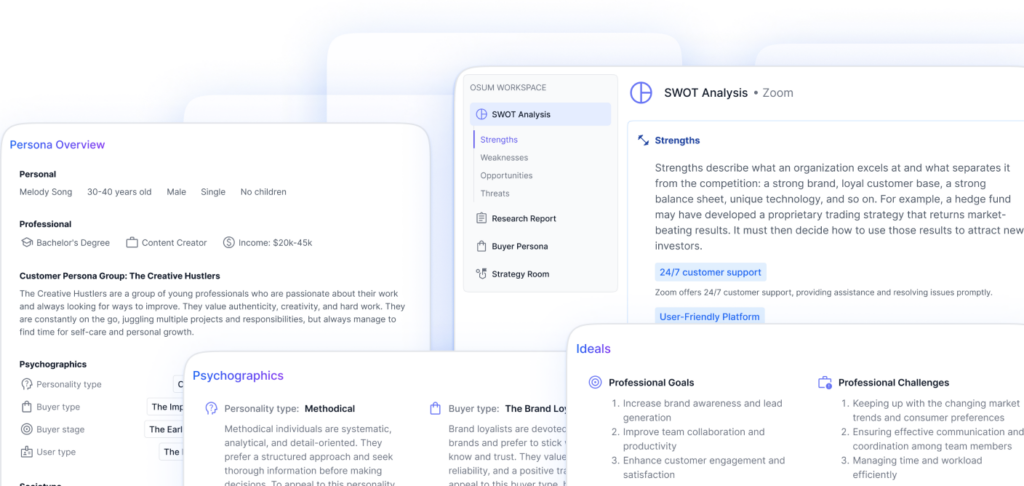
Startups should conduct thorough market research and analyze competitors to gain a deep understanding of their target audience. This information can be used to create buyer personas, which are fictional representations of the ideal customers. Buyer personas encompass demographic information, personalities, values, interests, preferred content types, buying behaviors, and likely buying processes of the target audience. By developing detailed marketing personas, startups can tailor their content creation and engage with their target audience effectively.
Creating buyer personas involves both quantitative and qualitative research. Quantitative data includes analyzing demographics and behavior patterns of the target audience. This can be obtained through market research, surveys, and data analysis tools. Qualitative data involves personal interactions such as interviews, focus groups, and feedback. By combining these research methods, startups can gain valuable insights into the preferences and needs of their target audience.
Leveraging Analytics Tools
To ensure the effectiveness of a content marketing strategy, startups should leverage analytics tools to measure and analyze the performance of their content. Key performance indicators (KPIs) such as website traffic, engagement metrics, conversion rates, and customer feedback should be monitored regularly. Analytics tools like Google Analytics provide valuable insights into user behavior, content performance, and audience demographics. Startups can utilize this data to refine their content strategy and make data-driven decisions.
By understanding the preferences and behaviors of their target audience, startups can create content that resonates with them. Additionally, leveraging influencer marketing can play a significant role in reaching the target audience. Influencers on platforms like Instagram and YouTube have the power to shape consumer behavior. By identifying influencers who align with their brand values and target audience, startups can effectively promote their products and engage with their target audience (LinkedIn).
In summary, startups should invest time and effort into defining their buyer personas and leveraging analytics tools to target the right audience. By understanding the needs and preferences of their target audience, startups can create tailored content that resonates with their customers and drives business growth.
Measuring Success
To determine the effectiveness of your content marketing strategy for startups, it’s essential to measure success using key performance indicators (KPIs) and analyze performance metrics. By tracking and analyzing data, you can gain valuable insights into the impact of your content and make informed decisions to optimize your strategy.
Key Performance Indicators
Defining success for your startup’s content marketing begins with setting clear goals and objectives. These goals can include increasing brand awareness, driving traffic to the website, generating leads, or promoting customer engagement. By setting specific, measurable, attainable, relevant, and time-bound (SMART) goals, you create a framework for evaluating the effectiveness of your content marketing efforts.
To measure success, consider the following key performance indicators:
| Key Performance Indicator | Description |
|---|---|
| Website Traffic | Monitoring the number of visitors to your website can provide insights into the reach and visibility of your content. Use tools like Google Analytics or other web analytics platforms to track website traffic. |
| Engagement Metrics | Tracking metrics such as page views, time spent on site, social shares, and comments can help gauge the level of audience engagement with your content. These metrics indicate the effectiveness of your content in capturing and retaining the attention of your target audience. |
| Conversion Rates | Conversion rates measure the percentage of people who take a desired action after consuming your content. This action could be subscribing to a newsletter, downloading an e-book, or making a purchase. Analyzing conversion rates helps assess the impact of your content on driving desired outcomes. |
Analyzing Performance Metrics
Analyzing the results of your content marketing efforts is crucial for understanding the effectiveness of your strategy in reaching and engaging your target audience. By leveraging data-driven insights, you can identify areas of improvement and make data-backed decisions to optimize your content marketing approach.
Some performance metrics to analyze include:
-
Website Traffic: Evaluate the overall number of visitors, the sources of traffic (organic, social, referral), and the behavior of visitors on your website. Analyze trends and patterns to identify which content pieces or distribution channels are driving the most traffic.
-
Engagement Metrics: Dive deeper into engagement metrics such as page views, time spent on site, social shares, and comments. Look for content pieces that receive higher engagement and identify common characteristics or themes that resonate with your audience.
-
Conversion Rates: Measure conversion rates for specific actions, such as email sign-ups, lead generation, or purchases. Identify content pieces or calls-to-action that lead to higher conversion rates and optimize underperforming areas.
-
Feedback and Surveys: Collect feedback from your audience through surveys, polls, or comments to gain qualitative insights into the effectiveness of your content. Understand their preferences, pain points, and suggestions for improvement.
Based on the analysis of these performance metrics, make adjustments to your content marketing strategy. Experiment with new content formats, distribution channels, or targeting techniques to optimize your efforts and align them with your goals (Source). Remember to regularly monitor and track your performance metrics to stay informed and continuously refine your content marketing strategy for optimal results.
In the next section, we will explore social media marketing strategies, including creating shareable content and leveraging influencers, to further enhance the reach and impact of your startup’s content marketing efforts.
Social Media Marketing Strategies
When it comes to implementing an effective content marketing strategy for startups, social media marketing plays a crucial role in expanding your reach and engaging with your target audience. In this section, we will explore two key social media marketing strategies: creating shareable content and leveraging influencers.
Creating Shareable Content
Creating shareable content is at the heart of any successful social media marketing campaign. Shareable content is designed to leverage the strengths of social media platforms, allowing your audience to like and share your content, thus spreading news of your brand organically (Constant Contact blog).
To create shareable content, it’s important to consider the following:
-
Relevance and Timeliness: Shareable content needs to be relevant and timely to your target audience. It should address their pain points, interests, or aspirations. Tailor your content for each social media platform, considering the specific preferences and expectations of the audience on each platform.
-
Emotional Connection: Shareable content should elicit emotional responses from your audience. It should be relatable and provide value to their everyday lives. Whether it’s through humor, inspiration, or empathy, content that strikes an emotional chord tends to be shared more frequently.
-
Visual Appeal: The most compelling shareable content is visually appealing, regardless of the platform. Incorporate eye-catching images, videos, and graphics into your content. Visual elements can significantly enhance engagement and increase the likelihood of sharing (Constant Contact blog).
-
Short and Snappy: Short-form content tends to perform best on social media. Keep your posts concise and to the point. For organic posts, aim for a length below 80 characters. Additionally, videos should be kept relatively short, with a duration rarely exceeding 60 seconds (Constant Contact blog).
Leveraging Influencers
Influencer marketing is another powerful strategy to consider when implementing your social media marketing plan. Leveraging influencers allows you to tap into their established audience and credibility to promote your brand and content.
To effectively leverage influencers, consider the following:
-
Relevance and Alignment: Partner with influencers whose audience aligns with your target market. Look for influencers who have a genuine interest in your industry or niche. Their endorsement of your brand or content will carry more weight with their followers.
-
Engagement and Reach: Evaluate an influencer’s engagement metrics, such as likes, comments, and shares, to gauge their effectiveness in reaching and resonating with their audience. Additionally, assess their follower count and reach to ensure that your message will reach a significant number of potential customers.
-
Authenticity and Trust: Choose influencers who are authentic and have established trust with their audience. Their recommendations and endorsements should feel genuine and not overly promotional. This authenticity will foster credibility and increase the likelihood of their followers engaging with your brand.
When collaborating with influencers, it’s important to establish clear expectations, goals, and compensation structures. This will ensure a mutually beneficial partnership that effectively promotes your brand and content to a wider audience.
By incorporating these social media marketing strategies into your overall content marketing strategy, you can enhance your brand’s visibility, engage with your target audience, and foster organic growth. Remember to monitor the performance of your social media efforts using analytics tools and adjust your strategy accordingly to optimize results.