
Introduction to Starting a Food Supplement Business
If you’re passionate about health and wellness and have a desire to make a positive impact on people’s lives, starting a food supplement business can be an exciting entrepreneurial journey. Before diving into the world of food supplements, it’s important to understand the industry and the market opportunities that exist.
Overview of the Food Supplement Industry
The global dietary supplements market is experiencing significant growth, with an expected value of $210.3 billion by 2026 at a compounded annual growth rate (CAGR) of 6.4% (LinkedIn). This growth is driven by factors such as increasing health consciousness among consumers and a growing focus on preventive healthcare. Over 77% of Americans consume dietary supplements each year, indicating a widespread demand and a promising future for aspiring entrepreneurs in the supplement market (Nutrascience Labs).
With the rising popularity of health supplements, there is a wide range of products catering to various health needs, including vitamins, minerals, herbal extracts, probiotics, and more. As a food supplement business owner, you have the opportunity to create innovative and high-quality products that meet the needs of health-conscious consumers.
Market Opportunities for Food Supplement Businesses
The health supplement market is a multibillion-dollar industry, and it is projected to nearly double in financial growth by 2026 (Constant Contact). This growth presents a substantial opportunity for new businesses to enter the market and carve out a niche for themselves. By identifying gaps in the market and understanding the needs of your target audience, you can develop unique and effective supplements that stand out from the competition.
It’s important to conduct thorough market research to identify trends, consumer preferences, and potential competitors. This information will help you tailor your product offerings and marketing strategies to effectively target your desired customer base.
To succeed in the food supplement industry, it’s crucial to develop a comprehensive business plan, which includes a clear vision, market analysis, competitive analysis, and a robust marketing strategy. This plan will serve as a roadmap for your business, guiding your decisions and actions as you navigate the industry.
By understanding the overview of the food supplement industry and recognizing the market opportunities that exist, you can lay a strong foundation for your entrepreneurial journey. In the following sections, we will explore key considerations, such as legal and regulatory aspects, developing high-quality supplement formulas, manufacturing processes, effective marketing strategies, and building customer loyalty.
Identifying Your Target Audience
Before starting a food supplement business, it is crucial to identify your target audience. Understanding the health and wellness market and targeting specific customer segments will help you tailor your products and marketing strategies to meet their needs.
Understanding the Health and Wellness Market
The health and wellness market encompasses a wide range of individuals who prioritize their well-being and seek products that support their health goals. According to Supliful, the target audience for supplements can be categorized into several segments:
-
General health seekers: These individuals span all age groups and are proactive about maintaining or improving their overall health. They are receptive to dietary supplements that promise to enhance well-being, increase energy levels, or offer preventive healthcare benefits.
-
Goal-oriented customers: This segment is driven by specific health and fitness objectives, such as losing weight, gaining muscle, or enhancing athletic performance. They seek supplements that align with their fitness goals.
-
Individuals with nutrient deficiencies: Many people turn to supplements to bridge the gap in their dietary intake, especially if they have nutrient deficiencies. This segment looks for supplements that provide essential vitamins, minerals, and other nutrients.
-
Athletes and fitness enthusiasts: Athletes and fitness enthusiasts have unique nutritional needs due to their rigorous training regimens. They seek supplements that can enhance their performance, aid in recovery, and support their overall fitness goals.
-
People with dietary restrictions: Individuals with allergies, sensitivities, or specific dietary lifestyles (such as vegan or gluten-free) create a niche market for supplements. They seek products that align with their dietary needs.
Targeting Specific Customer Segments
To effectively target your audience, it is important to identify which customer segments align best with your product offerings. Conduct market research to understand the specific needs, preferences, and pain points of your target segments. This will help you tailor your marketing messages and product development to cater to their unique requirements.
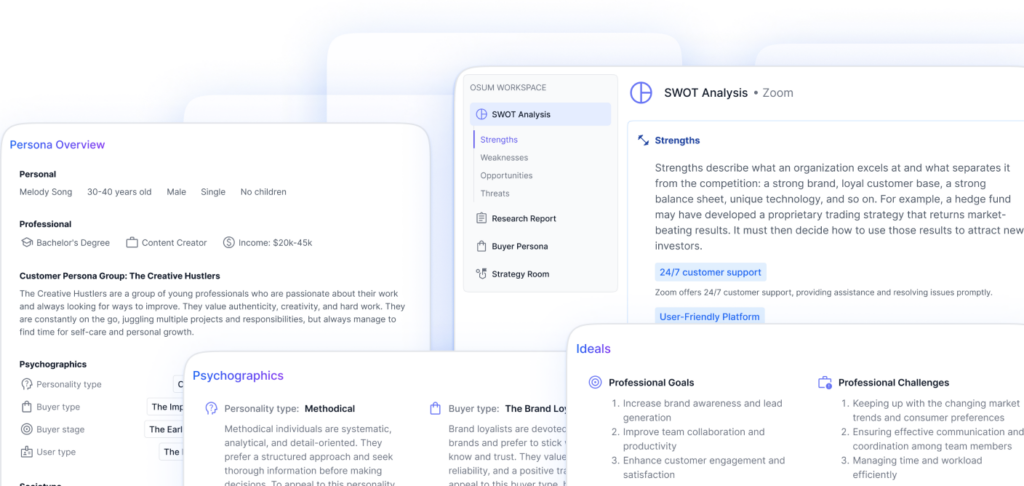
Consider creating buyer personas for each target segment to gain a deeper understanding of their demographics, psychographics, and purchasing behaviors. This will enable you to craft targeted marketing campaigns and product positioning strategies.
By identifying and understanding your target audience, you can develop products and marketing strategies that resonate with their needs and aspirations. This will increase the likelihood of attracting and retaining customers in the competitive food supplement industry.
For more information on starting a food supplement business, be sure to check out our comprehensive food supplement business plan guide. Additionally, understanding the legal and regulatory considerations, sourcing high-quality ingredients, and manufacturing processes are essential aspects to explore.
Legal and Regulatory Considerations
Before venturing into the food supplement industry, it’s crucial to understand the legal and regulatory considerations associated with starting a food supplement business. Compliance with regulations ensures the safety and quality of your products and helps build trust with both consumers and regulatory authorities. Two key aspects to consider are FDA regulations for food supplements and compliance with the Dietary Supplement Health and Education Act (DSHEA).
FDA Regulations for Food Supplements
The Food and Drug Administration (FDA) closely monitors the manufacturing, labeling, and marketing of dietary supplements. The FDA focuses on product labeling to ensure accurate and truthful information is provided to consumers. They also regulate advertising claims made by supplement manufacturers to prevent misleading or false information from being disseminated.
One important requirement is the submission of a new ingredient notification for ingredients that entered the market after 1994. This notification allows the FDA to evaluate the safety of new ingredients before they are used in dietary supplements.
To ensure compliance with FDA regulations, it is crucial to have a thorough understanding of the requirements and guidelines. This includes proper labeling and claims substantiation. Working with regulatory experts or consultants can help navigate the complex landscape of FDA regulations and ensure compliance.
Compliance with Dietary Supplement Health and Education Act (DSHEA)
The Dietary Supplement Health and Education Act (DSHEA) is a federal law that defines dietary supplements and establishes specific labeling requirements. Under DSHEA, dietary supplements are defined as products intended to supplement the diet and contain one or more dietary ingredients, such as vitamins, minerals, herbs, or other botanicals.
DSHEA requires that dietary supplements be labeled as such and include a supplement facts panel listing the ingredients and their respective amounts. It also mandates that claims on supplement labels be truthful and not misleading.
In addition to labeling requirements, DSHEA also emphasizes the responsibility of supplement manufacturers to ensure the safety of their products. This includes following Good Manufacturing Practices (GMP) to ensure consistent quality and safety throughout the manufacturing process.
Complying with DSHEA is essential for starting a food supplement business and gaining the trust of consumers. It is important to familiarize yourself with the specific requirements outlined in the act and work with experts to navigate the legal landscape.
By understanding and adhering to FDA regulations and complying with DSHEA, you can ensure that your food supplement business operates within the legal framework and provides safe and reliable products to consumers. This commitment to compliance will help establish your brand as trustworthy and reputable in the health and wellness market. For more information on starting a food supplement business, check out our article on food supplement business plan.
Developing a High-Quality Supplement Formula
To start a successful food supplement business, it’s crucial to develop a high-quality supplement formula that meets the needs of your target audience. This involves careful consideration of the ingredients used and partnering with a reputable contract manufacturer.
Choosing Evidence-Based Ingredients
When developing a supplement formula, it’s important to choose evidence-based ingredients that have been scientifically proven to be effective and safe. This requires thorough research and understanding of the health benefits associated with different ingredients. Consider sourcing ingredients from around the world to access a wide range of beneficial compounds.
To make your supplement stand out, consider incorporating unique or premium ingredients that are not commonly found in other products. Having a one-of-a-kind formula can differentiate your brand and attract customers looking for something special. Keep in mind that using premium ingredients can contribute to the growth of your supplement business, as customers value transparency and high-quality formulations (Quality Supplement MFG).
Partnering with a Contract Manufacturer
Once you have finalized your supplement formula, it’s time to partner with a reliable contract manufacturer to bring your product to life. The contract manufacturer plays a crucial role in ensuring the quality and safety of your supplements.
When selecting a contract manufacturer, consider their expertise, facilities, and certifications. Look for a manufacturer with experience in producing dietary supplements and a solid reputation. Ensure that they follow Good Manufacturing Practices (GMP) to ensure the highest quality standards are met.
During the manufacturing process, the selection of raw materials is a critical step. The contract manufacturer should perform tests on the raw materials for identity, potency, microbiological compliance, and heavy metal content before using them in production (NutraScience Labs). This testing process may take around 1-2 weeks depending on the testing requirements and the availability of in-house laboratory facilities at the contract manufacturer (NutraScience Labs).
By partnering with a reputable contract manufacturer, you can ensure that your supplement formula is produced according to industry standards and regulations. This collaboration allows you to focus on other aspects of your food supplement business while ensuring the quality and efficacy of your products.
Developing a high-quality supplement formula is a crucial step in starting a food supplement business. By choosing evidence-based ingredients and partnering with a reputable contract manufacturer, you can create supplements that meet the needs and expectations of your target audience. Remember to conduct thorough research and prioritize quality throughout the development process to build a successful and trusted supplement brand.
Manufacturing and Production Process
When starting a food supplement business, understanding the manufacturing and production process is essential to ensure the creation of high-quality products. This section will outline the steps involved in manufacturing dietary supplements and provide an overview of the timelines and considerations in the production process.
Steps in Manufacturing Dietary Supplements
The process of manufacturing dietary supplements involves several key steps, starting from formulation and choosing the right raw materials to testing of raw materials and final product testing before shipping to customers. Here are the essential steps in the manufacturing process:
- Formulation: This step involves developing the supplement formula by selecting the appropriate ingredients and determining their quantities. The formulation should be based on scientific research and ensure that the ingredients meet regulatory requirements.
- Raw Material Sourcing: Once the formula is finalized, sourcing high-quality raw materials is crucial. It’s important to partner with reputable suppliers who provide ingredients that meet regulatory standards and have undergone proper testing and quality control (sourcing ingredients for food supplements).
- Manufacturing: After the raw materials are procured, the contract manufacturer produces the supplements. This typically involves mixing the ingredients, encapsulating or compressing the formulation into the desired dosage form (such as capsules or tablets), and packaging the finished product.
- Quality Control Testing: Throughout the manufacturing process, rigorous quality control testing is conducted to ensure that the supplements meet the required specifications. This includes testing the raw materials for identity, purity, and potency, as well as testing the final product for quality, content uniformity, and stability.
- Packaging and Labeling: Once the supplements pass quality control testing, they are packaged and labeled according to regulatory guidelines. Proper labeling should include accurate ingredient information, dosage instructions, and any necessary warnings or disclaimers.
- Storage and Distribution: The finished supplements are stored in appropriate conditions to maintain their quality and integrity. They are then distributed to retailers, wholesalers, or directly to customers.
Timelines and Considerations in the Production Process
The timeline for completing the supplement manufacturing process can vary based on factors such as the complexity of the product and the level of customization required. On average, it takes approximately 12 to 16 weeks from the time a purchase order is received to complete the manufacturing process. However, it’s important to note that this timeframe is an estimate and can be subject to change.
Considerations to keep in mind during the production process include:
- Partnering with a Contract Manufacturer: Working with an experienced contract manufacturer is crucial for the success of your supplement products. They have the expertise and resources to guide you through the complex and stringent manufacturing process.
- Communication and Collaboration: Maintaining open and clear communication with the contract manufacturer is essential. Regular updates and collaboration ensure that the manufacturing process stays on track and meets your expectations.
- Quality Assurance: Adhering to strict quality control measures is vital to ensure the safety and efficacy of your products. Regular testing and quality checks should be conducted throughout the manufacturing process to maintain the highest standards.
- Regulatory Compliance: It’s crucial to comply with regulatory requirements and guidelines, such as FDA regulations for food supplements and the Dietary Supplement Health and Education Act (DSHEA). Ensuring compliance helps to build trust with customers and avoids potential legal issues (fda regulations for food supplements).
By understanding the steps involved in manufacturing dietary supplements and considering the timelines and key considerations, you can navigate the production process effectively and ensure the creation of high-quality supplement products for your food supplement business.
Marketing Strategies for Food Supplement Businesses
To successfully launch and grow a food supplement business, effective marketing strategies are essential. These strategies help create brand awareness, promote your product line, and educate your target audience about the benefits and usage of your supplements. In this section, we will explore three key marketing strategies for food supplement businesses: creating an online presence, differentiation and unique selling proposition (USP), and the importance of certifications and labels.
Creating an Online Presence
In today’s digital age, establishing an online presence is crucial for any business, including food supplement businesses. Building a website that showcases your brand, product offerings, and relevant information is the first step. Your website should be visually appealing, user-friendly, and provide clear and concise information about your supplements. Consider including sections such as product descriptions, ingredients, testimonials, and frequently asked questions (FAQs).
In addition to a website, utilizing social media platforms is an effective way to reach a broader audience. Identify the platforms where your target audience is most active and create engaging content to attract and retain their attention. You can share educational articles, customer success stories, and updates about new product launches. Engage with your audience by responding to comments and messages promptly.
Blogging can also be a valuable tool to establish your expertise in the industry. Share informative articles, tips, and advice related to health and wellness. This can help build trust with your audience and position your brand as a reliable source of information.
Remember to optimize your online presence for search engines by incorporating relevant keywords and meta tags. This will help improve your website’s visibility in search engine results and attract organic traffic.
Differentiation and Unique Selling Proposition (USP)
In a competitive market, it’s vital to differentiate your food supplement business from others. Developing a unique selling proposition (USP) helps you stand out and attract customers. One approach is to create a one-of-a-kind supplement formula that sets your products apart. This could involve using special ingredients that no one else is using, combining ingredients in a particularly potent way, or offering the right blend and dosage for optimal results (Quality Supplement MFG).
Another aspect of differentiation is using premium ingredients to create high-quality supplements. Brands like Ritual have gained popularity by emphasizing the use of premium ingredient lists (Quality Supplement MFG). Highlight the benefits and unique features of your products in your marketing materials, emphasizing how they address specific health concerns or provide superior results compared to competitors.
Importance of Certifications and Labels
Certifications and labels play a crucial role in building trust and credibility with your target audience. Consider obtaining popular certifications such as organic, gluten-free, dairy-free, nut-free, vegan, kosher, and non-GMO, depending on the nature of your products and the preferences of your target market (Quality Supplement MFG). These certifications provide reassurance to consumers who prioritize specific dietary needs or lifestyle choices.
Clearly display these certifications and labels on your product packaging, website, and marketing materials. This helps potential customers quickly identify that your supplements meet their specific requirements and align with their values.
Incorporating customer testimonials and reviews on your website and social media platforms can also enhance trust and credibility. Positive feedback from satisfied customers can influence purchasing decisions and encourage others to try your products.
By implementing these marketing strategies, you can effectively promote your food supplement business, attract your target audience, and differentiate yourself from competitors. Remember to continuously monitor and adapt your strategies based on market trends and consumer feedback to ensure long-term success.
Customer Service and Retention
Once you have successfully started your food supplement business, providing exceptional customer service becomes crucial in retaining existing customers and attracting new ones. Good customer service has the power to build trust, establish brand loyalty, and create positive word-of-mouth referrals. In this section, we will discuss the importance of providing exceptional customer service and building a customer community for long-term success.
Providing Exceptional Customer Service
Offering great customer service and support is essential for the success of your food supplement business. When customers have a positive experience with your brand, they are more likely to become repeat buyers and recommend your products to others (Quality Supplement MFG).
To provide exceptional customer service, consider the following strategies:
-
Prompt and Responsive Communication: Respond to customer inquiries, concerns, and feedback in a timely manner. Provide clear communication channels, such as email, phone, and social media, to ensure customers can easily reach out to you.
-
Product Knowledge and Expertise: Train your customer service team to have in-depth knowledge about your food supplements, including their ingredients, benefits, and usage. This enables them to answer customer questions accurately and provide helpful recommendations.
-
Personalized Assistance: Treat each customer as an individual by addressing their specific needs and concerns. Offer personalized recommendations and guidance based on their health goals and preferences.
-
Hassle-Free Returns and Refunds: Establish a clear and fair return policy that allows customers to return or exchange products if they are dissatisfied. Make the return process as convenient and hassle-free as possible.
-
Post-Purchase Follow-Up: Follow up with customers after their purchase to ensure their satisfaction and address any additional questions or concerns they may have. This gesture demonstrates your commitment to their well-being and satisfaction.
Building a Customer Community
Creating an exclusive customer community is another effective strategy to add value and support to your food supplement business. A customer community creates a two-way communication channel, allowing for direct feedback, fostering a sense of belonging, and inspiring future products and solutions (Quality Supplement MFG).
Consider the following steps to build a customer community:
-
Social Media Engagement: Utilize social media platforms to engage with your customers, share valuable content, and encourage discussions. Respond to comments, messages, and reviews promptly to show that you value their input.
-
Exclusive Content and Offers: Provide your customers with exclusive content, such as educational articles, healthy recipes, and wellness tips. Offer special promotions, discounts, or early access to new product launches as a way to reward their loyalty.
-
Online Forums and Groups: Create online forums or private groups where customers can connect with each other, share their experiences, and ask questions. Actively participate in these communities to foster a sense of camaraderie and support.
-
Customer Feedback and Surveys: Regularly seek feedback from your customers through surveys or polls. This not only allows you to gather valuable insights but also shows that you value their opinions and are committed to improving their experience.
By providing exceptional customer service and building a customer community, you can create a strong foundation for your food supplement business. These strategies will help you establish a loyal customer base, drive customer satisfaction, and differentiate your brand from competitors. Remember, satisfied customers not only continue to purchase from you but also become advocates for your products, helping to expand your reach and attract new customers.
Marketing Strategies for Food Supplement Businesses
When starting a food supplement business, having effective marketing strategies is essential for attracting customers and establishing a strong brand presence in the competitive health and wellness market. In this section, we will explore key marketing strategies that can help your food supplement business thrive.
Creating an Online Presence
In today’s digital age, having a strong online presence is crucial for reaching a wider audience and connecting with potential customers. Start by building a professional website that showcases your brand, product offerings, and the benefits of your food supplements. Ensure that your website is user-friendly, visually appealing, and optimized for search engines. This will help improve your online visibility and organic search rankings.
Alongside your website, consider leveraging social media platforms to engage with your target audience. Create informative and engaging content related to health and wellness, showcasing the benefits of your food supplements. Engage with your audience by responding to comments, addressing inquiries, and sharing valuable insights. Utilize social media advertising to reach a larger audience and increase brand awareness.
Differentiation and Unique Selling Proposition (USP)
With numerous food supplement options available in the market, it’s crucial to differentiate your brand and establish a unique selling proposition (USP). Identify what sets your food supplements apart from others and emphasize those unique qualities in your marketing efforts. This could include factors such as the use of high-quality ingredients, scientific research backing your formulations, or specific benefits that are not commonly found in other supplements.
Communicate your USP clearly in your marketing materials, including your website, social media content, and product packaging. Highlighting what makes your food supplements special will help attract customers who resonate with your brand values and product offerings.
Importance of Certifications and Labels
In the health and wellness industry, certifications and labels play a significant role in building consumer trust and credibility. Consider obtaining certifications such as Good Manufacturing Practices (GMP) certification, which demonstrates that your manufacturing processes meet the highest industry standards (Nutrascience Labs). Display these certifications prominently on your website and product packaging to assure customers of the quality and safety of your food supplements.
Additionally, labels that provide clear and accurate information about your products are essential. Ensure that your product labels comply with FDA regulations, including accurate ingredient listings, appropriate health claims, and any required disclaimers (Nutrascience Labs). Clearly communicate the benefits and recommended usage of your food supplements on the packaging, making it easier for customers to understand and make informed purchasing decisions.
By implementing these marketing strategies, you can effectively promote your food supplement business, differentiate your brand from competitors, and build a loyal customer base. Remember to continuously monitor and adapt your marketing efforts based on consumer trends and feedback to stay ahead in the dynamic health and wellness industry.