
Starting a Beaded Jewelry Business
If you’re passionate about crafting beaded jewelry and want to turn your hobby into a business, it’s important to lay the foundation for success. Here are key steps to consider when starting a beaded jewelry business:
Crafting a Business Plan
Before diving into the world of entrepreneurship, it’s crucial to develop a comprehensive business plan. This plan will serve as a roadmap for your business, outlining your goals, target market, marketing strategies, financial projections, and more. A well-crafted business plan will guide your decision-making process and provide a clear direction for your jewelry business.
Researching Your Target Market
Understanding your target market is essential for the success of your beaded jewelry business. Conducting thorough market research will help you identify your potential customers, their preferences, trends, and buying behaviors. This knowledge will enable you to tailor your designs, pricing, and marketing efforts to appeal to your specific customer base.
Establishing a Strong Brand Identity
In a crowded market, establishing a strong brand identity is crucial for standing out and attracting customers. Define your brand story, create a memorable logo, and develop a cohesive aesthetic that resonates with your target audience. A unique brand identity will differentiate your beaded jewelry business from competitors and build customer loyalty.
Sourcing High-Quality Materials
The quality of your materials directly impacts the perceived value of your beaded jewelry. Ensure that you source high-quality beads, findings, and other components for your creations. Whether using precious metals, gemstones, or other materials, focus on providing exceptional craftsmanship and using materials that align with your target market’s preferences. This will help build a reputation for your business as a provider of high-quality jewelry.
Creating an Online Presence
In today’s digital age, establishing an online presence is crucial for reaching a wider audience and driving sales for your beaded jewelry business. Create a professional website that showcases your designs, provides information about your business, and enables customers to make purchases. Utilize social media platforms to engage with your target audience, share behind-the-scenes content, and promote your jewelry. Building an online community around your brand will help attract customers and foster brand loyalty.
By following these essential steps – crafting a business plan, researching your target market, establishing a strong brand identity, sourcing high-quality materials, and creating an online presence – you’ll be on your way to starting a successful beaded jewelry business. Remember to stay true to your creative vision, continually seek inspiration and feedback, and adapt your strategies as your business grows.
Pricing Your Beaded Jewelry
Setting the right price for your beaded jewelry is essential for the success of your business. By understanding the principles of jewelry pricing and considering various factors, you can ensure that your pricing reflects the value of your creations. Here are the key steps in pricing your beaded jewelry:
Understanding Jewelry Pricing
To determine the price of your beaded jewelry, it’s important to consider the overall cost of creating each piece. This includes not only the cost of materials but also the labor, packaging, and overhead expenses associated with your business. By calculating the base price, you can ensure that your jewelry pieces are not sold at a loss.
Calculating the Base Price
The base price in jewelry pricing is determined by adding the cost of materials and packaging, multiplying the total by a factor, incorporating a pro-rated hourly labor rate, and adding a percentage for overhead costs. This comprehensive approach ensures that all expenses are accounted for, and you can maintain profitability in the long term.
Here is a breakdown of the jewelry pricing formula:
- Calculate the cost of materials and packaging for each piece.
- Multiply the total by a factor, typically 4. This step ensures that the retail price is sufficiently high to cover the wholesale or consignment prices, allowing for profitability even when selling to shops.
- Incorporate a pro-rated hourly labor rate based on the time spent creating the piece. This accounts for the effort and expertise put into crafting each jewelry item.
- Add a percentage, typically 10%, of the total for overhead costs. Overhead expenses include rent, utilities, marketing, and other operational expenses.
By following this formula, you can ensure that your pricing is realistic and covers all your costs, helping you build a sustainable and profitable beaded jewelry business. It’s important to note that purchasing supplies at the lowest possible price, ideally at wholesale or bulk discounts, is crucial for achieving realistic pricing and maintaining profitability.
Considering Material Costs and Labor
When calculating the base price, it’s essential to consider both the cost of materials and the labor involved in creating each piece. Keep track of the exact amount spent on materials such as beads, findings, and any other components used in your jewelry. Additionally, assign a pro-rated hourly rate to the time spent crafting each piece. This step acknowledges the skill and effort you put into your work.
Incorporating Overhead Expenses
In addition to material costs and labor, it’s important to incorporate overhead expenses when determining the base price. Overhead expenses include rent, utilities, marketing, website hosting, and other costs associated with running your jewelry business. By allocating a percentage of the total for overhead costs, you ensure that these essential expenses are covered.
Setting the Retail Price
Once you have calculated the base price using the jewelry pricing formula, you can determine the final retail price for your beaded jewelry. The retail price should align with the value of your jewelry in the specific market and reflect factors such as the uniqueness of your designs, the quality of materials used, and the demand for your products.
Consider market research and competitor analysis to understand the pricing range for similar jewelry pieces. Set your retail price within this range, taking into account the value you offer through your craftsmanship, design, and brand.
By following these steps and using the comprehensive jewelry pricing formula, you can ensure that your beaded jewelry is priced accurately and reflects its true worth. This strategic approach will not only help you cover your costs but also position your business for success in the competitive jewelry market.
Marketing Strategies for a Beaded Jewelry Business
When starting a beaded jewelry business, it’s crucial to develop effective marketing strategies to reach and engage with your target customers. By understanding your audience and utilizing various marketing channels, you can increase brand visibility and drive sales. Here are some key strategies to consider:
Targeting Your Customers
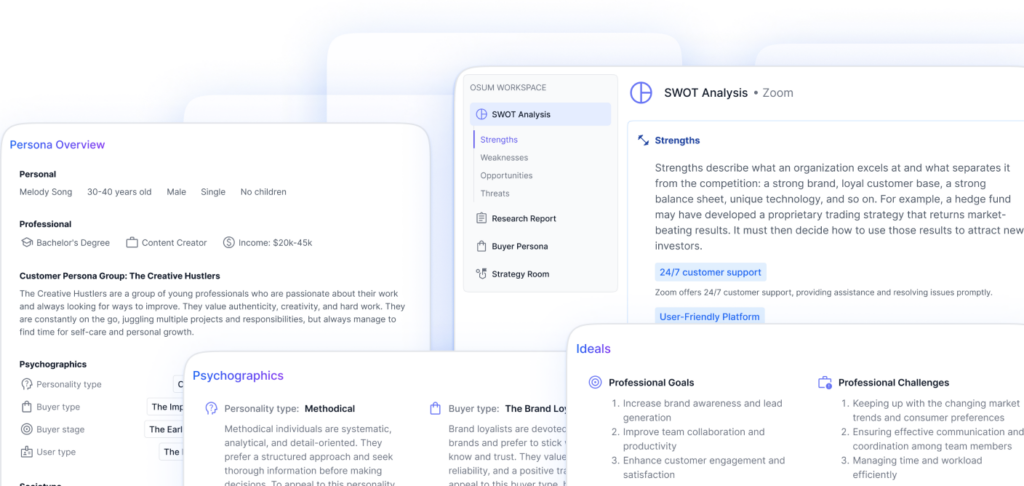
One of the most important aspects of marketing a jewelry business is identifying and targeting your ideal customers. By understanding their demographics, preferences, and purchasing behavior, you can tailor your marketing efforts to reach the right audience. Creating an ideal customer profile can help you define your target audience and develop personalized marketing messages that resonate with them. Consider factors such as age, gender, career, income level, lifestyle, values, interests, and geographic location when constructing your ideal customer profile.
Utilizing Social Media Platforms
Social media platforms like Instagram, Pinterest, and Facebook are essential for marketing a jewelry business, as they offer visually appealing ways to showcase your products and engage with potential customers (Single Grain). By understanding the demographics of these platforms, you can effectively target your audience and engage with them where they are most likely to be present. Develop a social media strategy that includes regular posting, engaging with followers, and utilizing relevant hashtags to increase your reach and visibility.
Creating Compelling Visual Content
In the jewelry industry, high-quality visual content is key to capturing attention and showcasing the beauty of your beaded jewelry. Invest in professional product photography or learn to take high-quality images yourself. Consider incorporating lifestyle images to inspire customers and show how your jewelry can be worn in different settings. Additionally, create videos that highlight the craftsmanship and unique features of your jewelry. Visual content plays a crucial role in attracting customers and building brand credibility (Single Grain).
Leveraging Influencer Partnerships
Influencer marketing is a powerful tool for promoting your beaded jewelry business. Collaborating with influencers who align with your brand values and have a strong following can help you reach a wider audience and build credibility. Look for influencers who have an engaged audience in the jewelry or fashion niche. Partnering with them can involve sponsored posts, giveaways, or product reviews. Influencer endorsements can have a significant impact on brand awareness and sales.
Monitoring and Adapting Marketing Efforts
Continuous monitoring and adaptation of your marketing efforts are crucial for the success of your beaded jewelry business. Keep an eye on market trends, customer feedback, and competitor strategies. Regularly evaluate the performance of your marketing campaigns and adjust your tactics accordingly. Experiment with different advertising channels, promotional offers, and pricing strategies to optimize your results (Mia Jewels Miami). Stay responsive to customer needs and preferences to ensure that your marketing efforts align with their expectations.
By implementing these marketing strategies, you can effectively promote your beaded jewelry business and connect with your target customers. Remember to continuously analyze and adapt your strategies to stay ahead in the competitive jewelry market.
Opportunities in the Beaded Jewelry Business
If you have a passion for crafting beaded jewelry and dream of turning it into a business, there are numerous opportunities to explore. Starting a jewelry business can be an exciting and rewarding venture. In this section, we will delve into the potential opportunities that exist in the beaded jewelry industry.
The Growing Jewelry Market
The global jewelry market is thriving, generating more than $250 billion annually (Single Grain). Research suggests that the industry is projected to reach $480.5 billion by 2025, with a growth rate of 7% per year from 2020 to 2025 (ShipBob). This highlights the immense potential for profitability in the jewelry sector.
Identifying a Niche Market
The jewelry market is diverse, encompassing various niches such as fine jewelry, fashion jewelry, costume jewelry, and more. By identifying a specific niche within the beaded jewelry market, you can differentiate your brand and target a specific audience. Researching trends and customer preferences will help you carve out a unique space in the industry.
Utilizing E-Commerce Platforms
In today’s digital age, utilizing e-commerce platforms is essential for the success of a jewelry business. Platforms like Shopify, Etsy, or Amazon Handmade provide a global reach, enabling you to showcase and sell your beaded jewelry to a broader audience. Establishing an online presence also allows you to engage directly with customers, build brand loyalty, and manage your operations efficiently.
Potential Startup Costs
When starting a jewelry business, it’s important to consider the potential startup costs. These costs can range from $2,000 to $10,000, depending on factors such as purchasing materials and tools, creating a website, and possibly renting a space or setting up a home studio (Nerdwallet). Conducting a thorough analysis of your business needs and creating a budget will help you plan and allocate resources effectively.
Exploring Sales Channels
To reach your target audience and maximize sales, it’s crucial to explore various sales channels for your beaded jewelry. Online platforms like Etsy and your own website provide a direct-to-consumer approach, allowing you to showcase your products and connect with customers worldwide. Additionally, participating in local craft fairs, consignment shops, or selling directly to retailers can expand your reach within your community (Nerdwallet). Be open to exploring different avenues and adapting your sales strategy as you grow.
By identifying the opportunities within the beaded jewelry business, you can leverage your skills and creativity to start a successful venture. However, it’s crucial to conduct market research, develop a comprehensive business plan, establish an online presence, and consider the financial aspects of your business. With dedication, strategic planning, and a strong brand identity, you can turn your love for beaded jewelry into a thriving business.
Understanding Customer Preferences in the Jewelry Industry
In the dynamic and ever-evolving jewelry industry, understanding customer preferences is essential for the success of a jewelry business. By conducting market research and gaining insights into consumer behavior and trends, businesses can make informed decisions, develop targeted marketing strategies, and create products that resonate with their target audience. In this section, we will explore the key steps involved in understanding customer preferences in the jewelry industry.
Conducting Market Research
To gain a deep understanding of customer preferences, market research is crucial. This involves gathering data on consumer behavior, preferences, and trends in the jewelry industry. One effective method is to conduct surveys among jewelry shoppers to gather valuable insights. By asking targeted questions, businesses can gather information on customers’ preferred styles, materials, price points, and purchasing habits.
Surveys and Insights
Surveys play a vital role in understanding customer preferences in the jewelry industry. By crafting well-structured surveys, businesses can gather important insights. Surveys can cover a range of topics, including customer preferences, purchasing decisions, and satisfaction levels. Through surveys, businesses can collect valuable data that helps them identify trends, preferences, and potential areas for improvement.
Segmenting Jewelry Consumers
Segmenting jewelry consumers is an effective way to understand different customer groups and tailor marketing strategies accordingly. By dividing customers into distinct segments based on factors such as age, income, style preferences, and buying behavior, businesses can gain a deeper understanding of the unique needs and preferences of each segment (Drive Research). This segmentation allows businesses to target their efforts and create personalized marketing campaigns that resonate with specific customer groups.
Applying Research to Business Strategies
Once market research and customer insights have been collected, it’s crucial to apply this research to business strategies. By taking into account customer preferences, businesses can refine their product offerings, pricing strategies, and marketing efforts. For example, if the research indicates a strong preference for certain materials or styles, businesses can focus on developing products that align with these preferences. This customer-centric approach helps businesses stay relevant and meet the demands of their target audience.
Utilizing Statistical Techniques
To derive meaningful insights from market research, businesses can utilize statistical techniques. These techniques help analyze and interpret data in a structured and meaningful way. Advanced statistical methods such as MaxDiff question series, structural equation modeling, and hierarchical cluster analysis can be employed to uncover patterns, identify key segments, and inform decision-making processes (Drive Research). By utilizing these techniques, businesses can gain deeper insights into customer preferences and use this information to shape their marketing and communication strategies.
Understanding customer preferences in the jewelry industry is an ongoing process. By conducting market research, gathering insights through surveys, segmenting consumers, applying research to business strategies, and utilizing statistical techniques, businesses can stay in tune with their target audience and adapt to changing trends. By continuously monitoring and understanding customer preferences, businesses can build stronger relationships, enhance customer satisfaction, and ultimately thrive in the competitive jewelry market.