
Introduction to KMF
KMF, also known as Karnataka Milk Federation, is a prominent dairy company that plays a significant role in the milk industry. To ensure its continued success and competitiveness, KMF recognizes the importance of strategic planning in guiding its operations and achieving its goals.
Overview of KMF
KMF is a cooperative federation of milk producers in Karnataka, India. It was established with the aim of empowering dairy farmers and promoting their economic well-being. The federation oversees the procurement, processing, and distribution of milk and milk products in the state.
With its extensive network of milk producers and dairy processing units, KMF has become a leading player in the industry. The organization is committed to maintaining the highest standards of quality and hygiene, ensuring that consumers receive safe and nutritious dairy products.
Importance of Strategic Planning for KMF
Strategic planning is a crucial aspect of KMF’s operations as it provides a roadmap for achieving its long-term objectives. By engaging in strategic planning, KMF can identify and prioritize its goals, allocate resources effectively, and adapt to changes in the market environment.
Strategic planning allows KMF to assess its strengths and weaknesses, identify opportunities, and mitigate potential threats. Through a comprehensive SWOT analysis of KMF, the organization can gain insights into its internal capabilities and external factors that impact its performance.
By following a structured strategic planning process, KMF can develop strategies and action plans to capitalize on its strengths, address its weaknesses, seize opportunities, and mitigate threats. This process involves several phases, including assessment, planning and strategy, and implementation.
During the assessment phase, KMF evaluates various aspects of its operations, including its financial information, management strategies, and key business drivers. This phase helps identify areas for improvement and informs the subsequent planning and strategy phase.
In the planning and strategy phase, KMF formulates its strategic and operational goals, assigns responsibilities, establishes timelines, and prioritizes implementation steps. This phase ensures alignment between the organization’s objectives and the actions required to achieve them.
The implementation phase is where the plans and strategies are put into action. KMF closely monitors progress, makes necessary adjustments, and ensures the effective execution of the strategic initiatives. This phase may involve the guidance and advisory of external consultants, such as KMF Consulting Services, to provide expertise and support.
By integrating strategic planning into its operations, KMF can enhance its performance, adapt to market dynamics, and achieve sustainable growth. This approach allows KMF to stay ahead of the competition, deliver value to its stakeholders, and contribute to the development of the dairy industry.
In the subsequent sections, we will explore the SWOT analysis of KMF, the benefits of knowledge management frameworks, KMF’s performance and resilience, its role in value creation, and its impact in the microfinance sector.
SWOT Analysis of KMF
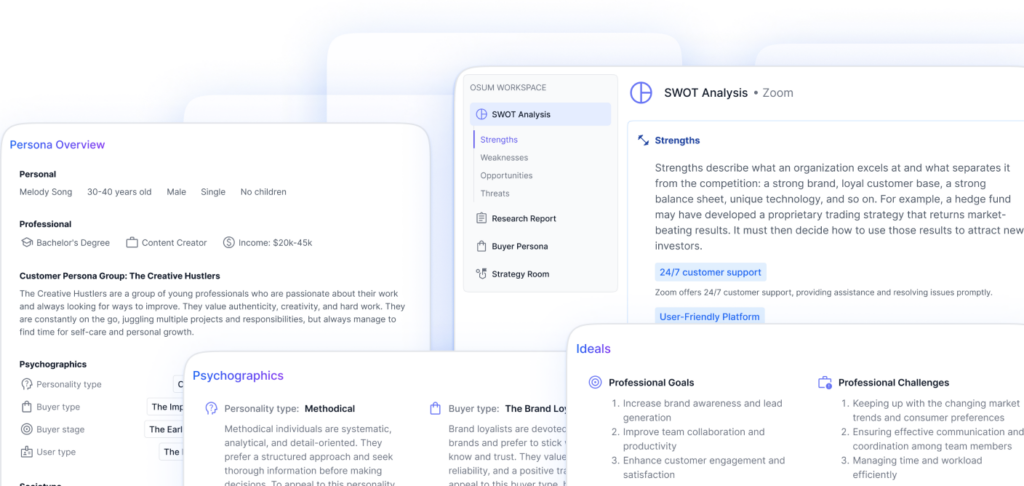
To gain a comprehensive understanding of KMF’s strategic planning, it is essential to conduct a SWOT analysis. This analysis helps identify the strengths, weaknesses, opportunities, and threats that KMF faces in its operations and market environment.
Strengths of KMF
KMF possesses several strengths that contribute to its success in the microfinance industry. These strengths include:
- Established Presence: With branches in 14 major cities, 10 regions, and 60 districts, KMF has built a strong network and established a significant presence in the microfinance sector.
- Dedicated Staff: KMF’s success can be attributed to its committed and well-trained staff. These professionals are responsible for financial analysis, making projections, assessing performance, and developing long-term strategic plans.
- High-Quality Lending Culture: KMF has fostered a high-quality lending culture that emphasizes responsible borrowing. This approach ensures that loans are provided to borrowers who can effectively utilize them for productive purposes.
Weaknesses of KMF
While KMF has notable strengths, it is essential to recognize the weaknesses that may impact its strategic planning and operations. These weaknesses include:
- Limited Geographic Coverage: Despite its established presence in various regions, KMF may still have limited reach in remote areas. Expanding its geographic coverage could provide additional growth opportunities.
- Reliance on Staff Expertise: KMF’s success relies heavily on the expertise and dedication of its staff. Ensuring proper succession planning and continuous training is crucial to mitigate the risk associated with staff turnover.
Opportunities for KMF
Identifying opportunities is crucial for KMF to leverage its strengths and further enhance its strategic planning. The opportunities for KMF include:
- Growing Microfinance Market: The microfinance market continues to expand, presenting opportunities for KMF to increase its market share and reach a broader customer base.
- Support for Female Entrepreneurs: KMF can capitalize on the increasing focus on supporting female entrepreneurs by developing tailored financial products and services that cater specifically to their needs.
- Technological Advancements: Embracing technological advancements in the microfinance industry can enhance operational efficiency and improve customer experience. Exploring digital platforms and mobile banking solutions can open new avenues for growth.
Threats to KMF
While navigating the microfinance industry, KMF must also be aware of potential threats that could impact its strategic planning. These threats include:
- Economic Volatility: Economic fluctuations and uncertainties can impact the repayment capacity of borrowers, potentially leading to an increase in delinquencies.
- Regulatory Changes: Changes in regulations and compliance requirements can pose challenges to KMF’s operations. Adapting to evolving regulatory landscapes is crucial to ensure compliance and maintain a competitive edge.
By conducting a thorough SWOT analysis, KMF can gain valuable insights into its internal strengths and weaknesses, as well as external opportunities and threats. This analysis serves as a foundation for effective strategic planning, enabling KMF to capitalize on its strengths, address weaknesses, seize opportunities, and mitigate potential threats.
Strategic Planning Process at KMF
KMF, the Karnataka Milk Federation, follows a comprehensive strategic planning process to guide its operations and achieve its goals. This process consists of three key phases: the Assessment Phase, the Planning & Strategy Phase, and the Implementation Phase.
Assessment Phase
During the Assessment Phase, KMF conducts a thorough evaluation of various aspects of the organization. This includes assessing the needs and objectives of the company, analyzing management strategies, identifying key business drivers, reviewing financial information, evaluating controls and communication methods, and considering external factors affecting the company. The information gathered during this phase is treated with strict confidentiality (KMF Consulting Services).
The Assessment Phase allows KMF to gain a comprehensive understanding of its current situation and identify areas for improvement. It serves as the foundation for developing effective strategies and plans to enhance the organization’s performance.
Planning & Strategy Phase
In the Planning & Strategy Phase, KMF Consulting reviews the key findings and recommendations derived from the assessment phase. Based on these insights, they work collaboratively with the organization to create a plan that aligns with the strategic and operational goals of KMF. This involves prioritizing implementation steps, assigning responsibilities, establishing timelines, and defining the role of KMF Consulting in the implementation process (KMF Consulting Services).
By engaging in this phase, KMF ensures that the strategic plan is tailored to their specific needs and objectives. It enables them to identify the most effective strategies and initiatives to achieve their goals, while considering the resources and capabilities available.
Implementation Phase
The Implementation Phase is where the strategic plan developed in the previous phase is put into action. KMF Consulting introduces the implementation plan to the organization and begins executing it. Throughout this phase, KMF Consulting monitors progress, provides guidance and advisory support, and recommends and implements changes when necessary. The level of involvement from KMF Consulting can vary, from providing oversight and guidance to taking a hands-on approach in implementing key financial and operational processes or business units (KMF Consulting Services).
By actively managing the implementation process, KMF ensures that the strategic plan is effectively executed and that the intended outcomes are achieved. Regular monitoring and adjustments help to keep the organization on track and responsive to changing circumstances.
The strategic planning process at KMF is designed to support the organization in achieving its goals and improving its overall performance. By following a structured approach, KMF can make informed decisions, allocate resources effectively, and adapt to the evolving needs of the dairy industry.
Benefits of Knowledge Management Frameworks
Implementing a knowledge management framework (KMF) can bring numerous benefits to an organization. KMFs enable companies to effectively capture, organize, and leverage knowledge and information, leading to improved overall performance. Here are some key benefits of knowledge management frameworks:
Increased Employee Productivity and Engagement
Organizations that have effective knowledge management practices often experience higher levels of employee productivity and engagement. According to a study by McKinsey & Company, organizations with robust knowledge management frameworks reported 50% higher employee productivity and 46% higher employee engagement compared to those without such practices (Smart Tribune). By providing employees with easy access to relevant information and knowledge, KMFs empower them to perform their tasks more efficiently.
Cultivating a Culture of Innovation
Knowledge management frameworks play a crucial role in cultivating a culture of innovation within organizations. By providing teams with access to necessary knowledge and information, KMFs enable them to generate new ideas, explore different approaches, and foster creative problem-solving. A study published in the Journal of Corporate Information found that implementing knowledge management frameworks leads to a culture of innovation (Smart Tribune).
Improving Healthcare Outcomes
In the healthcare industry, the application of knowledge management frameworks has proven to have significant positive impacts. By facilitating quick access to the latest research and medical information, KMFs enable healthcare professionals to make more accurate diagnoses, develop better treatment plans, and improve patient outcomes. This results in reduced medical errors, increased efficiency, and overall improvement in healthcare quality (Smart Tribune).
Enhancing Customer Service
Knowledge management frameworks also play a vital role in enhancing customer service. By providing employees with access to relevant knowledge, information, and best practices, KMFs enable them to deliver high-quality service. This leads to increased customer satisfaction, improved customer loyalty, and enhanced overall customer experience. When employees have easy access to the knowledge they need, they can provide accurate and timely assistance to customers, resolving issues effectively.
By leveraging knowledge management frameworks, organizations can unlock the full potential of their knowledge assets, leading to improved productivity, innovation, healthcare outcomes, and customer service. The benefits of KMFs extend across various industries and sectors, making them an essential strategic tool for organizations seeking to excel in today’s competitive landscape.
KMF’s Performance and Resilience
In the face of a challenging market environment, KMF has demonstrated strong performance and resilience, showcasing its attractive risk/return characteristics. This success can be attributed to several key factors, including net asset value (NAV) growth, a focus on credit quality and liquidity, and a disciplined investment approach.
Strong Performance in Challenging Market Environment
Despite market volatility and uncertainty, KMF has consistently provided positive returns to its investors. The Fund has displayed its ability to adapt to changing market conditions and exploit credit market dislocations through a disciplined investment approach, which has contributed to its strong performance (Kayne Funds). This resilience is a testament to KMF’s commitment to delivering attractive risk-adjusted opportunities.
Net Asset Value Growth
As of July 27, 2020, KMF’s net asset value (NAV) per share has increased by 31.36% year-to-date. This growth reflects the strength of the Fund’s investment strategy and the underlying performance of its portfolio. It demonstrates KMF’s ability to generate positive returns for investors and effectively navigate through market challenges (Kayne Funds).
Focus on Credit Quality and Liquidity
Amidst market volatility, KMF has maintained a strong focus on credit quality and liquidity. This prudent approach has played a crucial role in navigating through the COVID-19 pandemic and other market uncertainties. By carefully managing credit exposure, KMF has minimized risks and positioned itself for continued success. This focus on credit quality and liquidity has been instrumental in preserving the Fund’s performance (Kayne Funds).
Disciplined Investment Approach
KMF’s disciplined investment approach has been a key driver of its performance and resilience. The Fund actively manages its portfolio, with a focus on attractive risk-adjusted opportunities. By identifying and capitalizing on market dislocations, KMF has been able to enhance returns for investors. This disciplined approach ensures that the Fund is well-positioned to navigate through changing market conditions and deliver consistent results (Kayne Funds).
KMF’s performance and resilience in the face of market challenges highlight the effectiveness of its strategic planning and investment strategies. The Fund’s ability to adapt, grow its net asset value, maintain credit quality and liquidity, and employ a disciplined investment approach have contributed to its success and position as a leader in the industry.
KMF’s Role in Value Creation
Within the Karnataka Milk Federation (KMF), strategic planning plays a pivotal role in enhancing the organization’s value creation process. One key aspect of this strategic planning is the leveraging of channel partners for value enhancement. By recognizing channel partners as strategic assets, KMF aims to optimize their contributions and create superior value for the organization.
Leveraging Channel Partners for Value Enhancement
KMF recognizes that channel partners play a crucial role in the overall value creation process. Through strategic planning initiatives, KMF focuses on optimizing the contributions of these partners to enhance the organization’s value proposition. By collaborating with channel partners and leveraging their expertise, resources, and market reach, KMF aims to create value that goes beyond what it could achieve solely on its own.
Strengthening Relationships with Channel Partners
To effectively leverage channel partners for value creation, KMF places great emphasis on building and strengthening relationships with these partners. By fostering strong partnerships, KMF ensures mutual benefits and creates an environment of value co-creation and collaboration. Through open communication, trust, and shared goals, KMF and its channel partners work together to maximize value for both parties.
Integrating Channel Partners into Value Creation Process
Strategic planning at KMF goes beyond recognizing the importance of channel partners; it also focuses on integrating them effectively into the value creation process. By aligning the efforts and capabilities of channel partners with the organization’s strategic objectives, KMF enhances its overall performance and competitive positioning in the market. This integration allows for a more holistic approach to value creation, leveraging the collective strengths of KMF and its channel partners.
By strategically leveraging channel partners, strengthening relationships, and integrating them into the value creation process, KMF enhances its ability to create superior value. These strategic planning initiatives contribute to improved organizational performance, sustainable competitive advantages, and a strong market presence for KMF in the dairy industry.
To learn more about KMF and its strategic planning efforts, you can refer to our article on the KMF market analysis and KMF business analysis.
KMF’s Impact in Microfinance
KazMicroFinance LLC (KMF) has made a significant impact in the field of microfinance, bringing financial services to underserved communities and empowering entrepreneurs. Let’s explore some key aspects of KMF’s impact in microfinance.
Establishment of KazMicroFinance LLC (KMF)
KMF traces its roots back to 1996 when ACDI/VOCA, in collaboration with various organizations and the Kazakh government, established Kazakhstan’s first-ever microcredit program. This initiative led to the creation of ACDI/VOCA’s Kazakhstan Community Loan Fund project (KCLF), which later became known as KazMicroFinance LLC (KMF) in 2002. KMF was born out of the need to provide small working-capital loans and address the financial challenges faced by individuals and businesses in Kazakhstan.
Success in Providing Microcredit Loans
KMF has demonstrated remarkable success in providing microcredit loans to individuals and small businesses. By utilizing individual and group lending methodologies to measure client creditworthiness over time, KMF ensures repayment and fosters financial sustainability. Over its 15 years of operation, KMF has issued over 550,000 loans, making a tangible impact on the lives of its clients. The institution has transitioned from its nonprofit status to a for-profit bank, with a current outstanding portfolio exceeding $100 million and nearly 100,000 clients (ACDI/VOCA).
Support and Training for Other Microfinance Institutions
KMF is actively involved in supporting and training other microfinance institutions (MFIs) in Central Asia. It has played a pivotal role in providing training to hundreds of representatives from other MFIs, sharing its expertise, and contributing to the development of the microfinance sector. KMF’s commitment to knowledge sharing and collaboration reinforces its position as a leader in the industry. The institution has received positive ratings from independent agencies, such as Microcredit Ratings and Guarantees India, Ltd., further validating its credibility as a microcredit institution.
Commitment to Responsible Lending
KMF places a strong emphasis on responsible lending practices. With branches in 14 major cities, 10 regions, and 60 districts, KMF has a dedicated staff responsible for financial analysis, making projections, assessing performance, and developing long-term strategic plans. The institution’s commitment to responsible lending is evident in its high-quality lending culture, demanding responsible borrowing from its clients. By providing small-scale loans, KMF supports female entrepreneurs in remote areas and contributes to economic growth and empowerment in these communities (ACDI/VOCA).
KMF’s establishment, success in providing microcredit loans, support for other MFIs, and commitment to responsible lending have positioned it as a prominent player in the microfinance sector. Through its dedication to financial inclusion and empowerment, KMF continues to make a positive impact on individuals, businesses, and communities in Kazakhstan and beyond.
SWOT Analysis of KMF
To gain a comprehensive understanding of KMF’s strategic planning, it is essential to conduct a SWOT analysis. This analysis highlights the strengths, weaknesses, opportunities, and threats associated with KMF.
Strengths of KMF
KMF possesses several strengths that contribute to its success in the market. These strengths include:
- Strong performance in a challenging market environment, showcasing its attractive risk/return characteristics (Kayne Funds).
- Significant growth in net asset value (NAV) per share, reflecting the strength of its investment strategy and underlying portfolio performance (Kayne Funds).
- A disciplined investment approach that focuses on credit quality and liquidity, allowing KMF to navigate market volatility effectively, as evidenced during the COVID-19 pandemic (Kayne Funds).
Weaknesses of KMF
Despite its strengths, KMF also possesses certain weaknesses that need to be addressed:
- Lack of diversification in its portfolio, which may expose KMF to concentration risks and potential market fluctuations.
- Limited geographic presence, which may restrict its ability to tap into new markets and diversify its investor base.
Opportunities for KMF
KMF can leverage several opportunities to further enhance its strategic planning:
- Growing demand for alternative investment options, providing an opportunity for KMF to attract more investors seeking attractive risk/return profiles.
- Expansion into new markets and regions, allowing KMF to diversify its portfolio and tap into emerging investment opportunities.
- Development of innovative investment strategies and products, catering to evolving investor preferences and market trends.
Threats to KMF
In order to effectively plan for the future, KMF must also be aware of potential threats that could impact its operations:
- Intense competition from other investment firms and funds, which may result in fee compression and reduced profitability.
- Market volatility and economic downturns, which could adversely affect the performance of KMF’s portfolio and investor sentiment.
- Regulatory changes and compliance requirements, leading to increased costs and operational complexities.
By conducting a thorough SWOT analysis, KMF can identify its strengths, address weaknesses, capitalize on opportunities, and mitigate potential threats. This analysis serves as a foundation for KMF’s strategic planning, enabling the company to make informed decisions and develop effective strategies to achieve its goals.