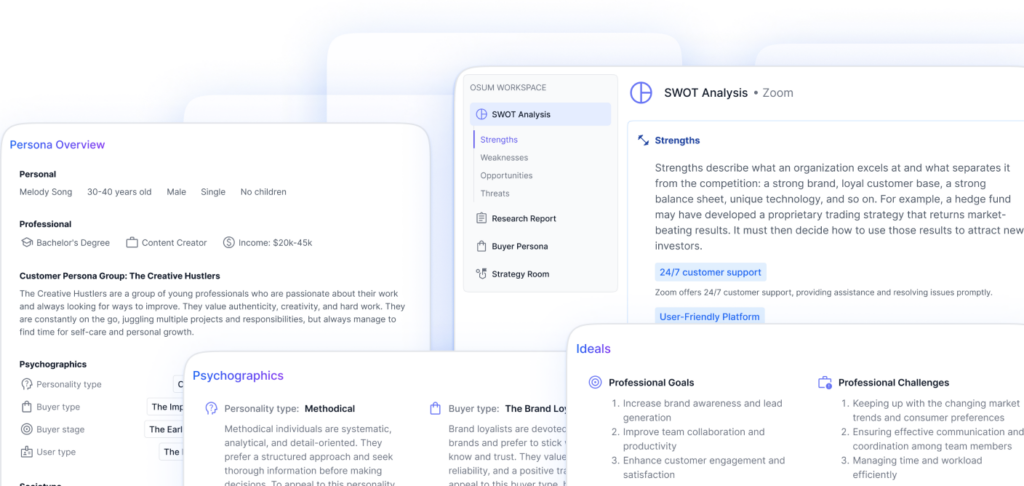

Shoe Business SWOT Analysis
To navigate the dynamic landscape of the shoe industry and identify profitable opportunities, conducting a comprehensive SWOT analysis is essential for shoe businesses. This analysis examines the strengths, weaknesses, opportunities, and threats facing the industry.
Strengths of Shoe Businesses
Shoe businesses possess several strengths that contribute to their competitive advantage in the market. These strengths include:
- Diverse Product Range: Shoe businesses have the ability to offer a wide range of footwear options, catering to various customer preferences, occasions, and styles.
- Brand Recognition: Established shoe brands often enjoy strong brand recognition and loyalty, which helps drive customer trust and repeat purchases.
- Manufacturing Expertise: Many shoe businesses possess extensive manufacturing expertise, allowing them to produce high-quality footwear that meets customer expectations.
- Distribution Networks: Shoe businesses often have well-established distribution networks, enabling efficient product delivery to retail stores, e-commerce platforms, and other sales channels.
Weaknesses of Shoe Businesses
Alongside strengths, shoe businesses also face certain weaknesses that can hinder their growth and profitability. These weaknesses include:
- Production Costs: Manufacturing footwear can be costly, especially when considering raw materials, labor, and quality control measures. These costs can impact profit margins.
- Seasonal Demand: The shoe industry experiences seasonal demand fluctuations, with certain styles and categories being more popular during specific times of the year. Managing inventory and predicting demand accurately can be challenging.
- Fashion Sensitivity: Shoe businesses must stay attuned to rapidly changing fashion trends and consumer preferences. Failure to adapt quickly to evolving fashion trends may lead to inventory obsolescence.
- Competition: The shoe industry is highly competitive, with numerous brands vying for market share. Competing on price, quality, and innovation requires continuous effort and investment.
Opportunities for Shoe Businesses
Despite challenges, shoe businesses have several opportunities to capitalize on and drive growth. These opportunities include:
- E-commerce Expansion: The rapid growth of e-commerce in the shoe industry presents significant opportunities for businesses to reach a broader customer base and increase sales. By adapting to online platforms and implementing effective e-commerce strategies, shoe businesses can tap into a global market with immense potential (Lectra).
- Sustainable Footwear: The rising demand for sustainable footwear offers an opportunity for shoe businesses to develop and promote eco-friendly products. By incorporating sustainable practices and materials, businesses can appeal to environmentally conscious consumers and differentiate themselves in the market.
- Technological Advancements: The shoe industry continues to evolve with technological advancements, such as 3D printing, smart footwear, and innovative manufacturing processes. Embracing these technologies can enhance product quality, customization capabilities, and operational efficiency.
Threats to Shoe Businesses
Shoe businesses must also be aware of potential threats that can impact their operations and profitability. These threats include:
- Economic Factors: Economic downturns, fluctuations in exchange rates, and changes in consumer spending patterns can significantly affect the demand for shoes and consumer purchasing power.
- Counterfeit Products: The footwear industry is susceptible to counterfeit products, which can undermine brand reputation, erode consumer trust, and result in revenue loss for legitimate shoe businesses.
- Changing Consumer Preferences: Rapid shifts in consumer preferences and fashion trends can pose a threat to shoe businesses that struggle to adapt quickly. Failure to meet changing consumer expectations may result in decreased sales and market share.
- Market Saturation: The shoe industry is highly competitive, and market saturation is a potential threat. With numerous brands and retailers vying for customer attention, attracting and retaining customers becomes increasingly challenging.
By conducting a thorough SWOT analysis, shoe businesses can identify their strengths, address weaknesses, capitalize on opportunities, and mitigate potential threats. This analysis serves as a foundation for strategic decision-making, allowing shoe businesses to stay competitive and seize profitable opportunities in the ever-evolving shoe industry.
E-commerce Trends in the Shoe Industry
As the digital landscape continues to evolve, the shoe industry is experiencing a significant shift towards e-commerce. This section explores the rapid growth of e-commerce in shoe sales, the potential of the online shoe market, the size and projections of the e-commerce footwear market, and the importance of adapting to this e-commerce trend.
Rapid Growth of E-commerce in Shoe Sales
The e-commerce market for shoes has been expanding at an impressive pace, offering exciting opportunities for businesses in the shoe industry. Footwear e-commerce sales are projected to reach $146 billion by 2023, reflecting substantial growth potential (Lectra). This rapid growth can be attributed to various factors, including convenience, competitive prices, and a broader range of available products.
Potential of the Online Shoe Market
The online shoe market holds immense potential for businesses looking to thrive in the digital era. By 2023, it is estimated that the global online shoe market will account for 25% of all footwear sales (Lectra). This projection highlights the significance of e-commerce as a channel for shoe businesses to reach a broader customer base and drive sales.
E-commerce Footwear Market Size and Projections
The global e-commerce footwear market is on a steady growth trajectory. In 2021, the market size was valued at USD 98.50 billion, and it is projected to reach USD 184.93 billion by 2030, with a growth rate of 7.25% during the forecast period (2022–2030) (Straits Research). These figures indicate the increasing consumer preference for online shoe shopping and the immense market potential for businesses operating in the e-commerce space.
To capitalize on these opportunities, shoe businesses need to understand the dynamics of the e-commerce footwear market and adapt their strategies accordingly.
Importance of Adapting to E-commerce
The rise of e-commerce in the footwear industry has revolutionized the way consumers shop for shoes. The convenience, competitive pricing, and wider product selection offered by online platforms have contributed to the popularity of e-commerce among shoe shoppers. To stay competitive and seize growth opportunities, it is crucial for shoe businesses to adapt to this trend.
By embracing e-commerce, shoe businesses can establish a strong online presence, reach a larger customer base, and offer a seamless shopping experience. Adapting to e-commerce also allows businesses to leverage data analytics for personalized marketing and gain insights into consumer behavior, preferences, and trends.
In conclusion, the rapid growth of e-commerce in shoe sales, the potential of the online shoe market, the size and projections of the e-commerce footwear market, and the importance of adapting to e-commerce highlight the significant opportunities available for shoe businesses in the digital landscape. By embracing e-commerce and tailoring their strategies to this trend, shoe businesses can position themselves for success and capitalize on the evolving preferences of their customers.
Strategies for Success in the E-commerce Shoe Industry
To thrive in the rapidly evolving e-commerce landscape of the shoe industry, businesses need to develop effective strategies that cater to the needs and preferences of online consumers. Here are three key strategies for success in the e-commerce shoe industry:
Developing a Strong Online Presence
Establishing a strong online presence is crucial for shoe businesses to capture the attention of potential customers and drive sales. This includes creating an appealing and user-friendly website that showcases the range of products available. The website should provide detailed product descriptions, high-quality images, and an easy-to-navigate interface to enhance the overall shopping experience.
In addition to a website, businesses should also leverage other online platforms and marketplaces to expand their reach. This can include selling through popular e-commerce platforms or partnering with influential social media influencers to promote their products.
By investing in search engine optimization (SEO) techniques, businesses can improve their visibility in online search results and attract organic traffic to their website. It’s important to utilize relevant keywords, meta tags, and internal links to optimize the website’s ranking and increase its online visibility.
Leveraging Data Analytics for Personalization
Data analytics plays a crucial role in understanding customer behavior and preferences, allowing businesses to tailor their offerings to individual customers. By collecting and analyzing data on customer demographics, browsing patterns, and purchase history, shoe businesses can gain valuable insights into their target audience.
Utilizing data analytics tools and techniques, businesses can personalize the shopping experience for customers. This can include recommending relevant products based on their browsing history, sending personalized offers and discounts, and providing targeted marketing campaigns.
Understanding customer preferences through data analysis enables shoe businesses to make informed decisions about their product assortment, pricing, and marketing strategies. By continuously analyzing customer data, businesses can adapt and refine their approach to meet the ever-changing demands of the e-commerce shoe industry.
Focusing on Customer Experience
In the e-commerce shoe industry, providing an exceptional customer experience is a key differentiator. Businesses should prioritize customer satisfaction by offering responsive customer support, hassle-free return policies, and secure payment options.
To enhance the customer experience, businesses can implement features like live chat support, virtual try-on options, and detailed product reviews. These features help customers make informed purchase decisions and build trust in the brand.
Efficient order fulfillment and timely delivery are also critical for customer satisfaction. Implementing reliable logistics and supply chain management systems ensures that customers receive their orders in a timely manner. Offering multiple shipping options and order tracking mechanisms further enhances the customer experience.
Furthermore, businesses should actively seek customer feedback and reviews to gain insights into areas for improvement. By listening to customer feedback and addressing any concerns promptly, shoe businesses can build a positive brand reputation and foster long-term customer loyalty.
By developing a strong online presence, leveraging data analytics for personalization, and focusing on customer experience, shoe businesses can position themselves for success in the competitive e-commerce shoe industry. These strategies enable businesses to adapt to the evolving market trends and seize profitable opportunities in the digital landscape.
Sustainable and Eco-friendly Footwear
As consumer preferences shift towards sustainability and environmental consciousness, there has been a rising demand for sustainable and eco-friendly footwear. This trend presents both challenges and opportunities for shoe businesses. By incorporating eco-friendly practices and focusing on innovation in sustainability, shoe businesses can tap into this growing market segment and differentiate themselves from the competition.
Rising Demand for Sustainable Footwear
Consumer awareness of sustainability and environmental issues has significantly increased in recent years. This has led to a growing demand for sustainable footwear options. According to California State University ScholarWorks, consumers are actively seeking environmentally friendly products, including footwear. This presents a great opportunity for shoe businesses to cater to this demand and attract environmentally conscious consumers.
Incorporating Eco-friendly Practices
To meet the rising demand for sustainable footwear, shoe businesses need to incorporate eco-friendly practices throughout their manufacturing processes. This includes sourcing materials from sustainable and renewable sources, reducing waste and carbon emissions, and implementing ethical manufacturing practices. By adopting these practices, shoe businesses can minimize their environmental impact and appeal to consumers who prioritize sustainability.
Opportunities for Innovation in Sustainability
The shift towards sustainable footwear also opens up opportunities for innovation in the industry. Shoe businesses can explore new materials, such as recycled and biodegradable options, to create environmentally friendly products. Additionally, they can incorporate innovative manufacturing techniques that minimize resource consumption and waste generation. By embracing sustainability as a core value, shoe businesses can differentiate themselves in the market and attract environmentally conscious consumers.
One successful example of a company that has embraced sustainability is Allbirds. They have built their brand around eco-friendly footwear and have reached a valuation of $1.7 billion in 2019, as reported by Sustainable Review. This highlights the potential for shoe businesses to thrive by prioritizing sustainability and catering to the growing demand for eco-friendly products.
In conclusion, the rising demand for sustainable and eco-friendly footwear presents an opportunity for shoe businesses to innovate and differentiate themselves in the market. By incorporating eco-friendly practices, sourcing sustainable materials, and focusing on sustainability as a core value, shoe businesses can attract environmentally conscious consumers and contribute to a more sustainable future.
Sneaker Market and Technological Advancements
The sneaker market presents numerous opportunities for shoe businesses, particularly with the growing global demand for sneakers. The Asia-Pacific region, in particular, offers a lucrative market, and technological advancements are shaping the industry in exciting ways.
Growing Global Sneaker Market
The global sneaker market is experiencing significant growth, with projections estimating it to reach $120.62 billion by 2026, displaying a Compound Annual Growth Rate (CAGR) of 5.1% from 2021 to 2026. This expansion presents shoe businesses with ample opportunities to capitalize on the popularity of sneakers and tap into a diverse consumer base.
Asia-Pacific as a Lucrative Market
The Asia-Pacific region is expected to register the highest CAGR in the sneaker market. Consumers in this region are increasingly embracing premium and innovative sneaker products, providing a lucrative market for shoe businesses to explore and expand their operations (CollectID). By understanding the preferences and demands of Asian consumers, shoe businesses can tailor their offerings to cater to this specific market segment effectively.
Technological Advancements in Sneaker Industry
Technological advancements are playing a pivotal role in shaping the sneaker industry. Shoe businesses are leveraging technologies such as Artificial Intelligence (AI) to enhance various aspects of their operations. AI is being utilized to improve the design, production, and marketing processes of sneakers, allowing businesses to streamline their operations and engage with tech-savvy consumers more effectively (CollectID).
By harnessing AI-powered tools, businesses can analyze consumer preferences, optimize supply chain management, and personalize marketing campaigns, ultimately driving sales and fostering customer loyalty. Embracing these technological advancements enables shoe businesses to stay ahead of the curve in a highly competitive market.
The incorporation of sustainability practices is another significant development in the sneaker market. Consumers are increasingly conscious of the environmental impact of their purchases and are actively seeking sustainable footwear options. Shoe businesses that adopt eco-friendly manufacturing practices and offer sustainable products can tap into this growing market segment and attract environmentally-conscious consumers (CollectID).
In conclusion, the sneaker market presents abundant opportunities for shoe businesses. With the growing global demand for sneakers, particularly in the Asia-Pacific region, businesses can capitalize on this trend by implementing technological advancements like AI and embracing sustainability practices. By staying attuned to market trends and consumer preferences, shoe businesses can establish a strong foothold in the thriving sneaker industry.
Importance of Digital Presence for Shoe Businesses
In today’s digital age, having a strong digital presence is crucial for shoe businesses to thrive and seize profitable opportunities in the market. The rise of e-commerce has revolutionized the sneaker industry, providing businesses with new avenues to reach customers, enhance their online experience, and drive sales through digital channels.
Revolutionizing the Sneaker Industry through E-commerce
E-commerce has played a transformative role in the sneaker industry, offering shoe businesses a platform to reach a wider audience and expand their customer base. The convenience, competitive prices, and wider range of available products offered by online retailers have contributed to the rapid growth of e-commerce in shoe sales (Lectra). To stay ahead in this competitive landscape, shoe businesses must adapt to the evolving trends and embrace the opportunities presented by e-commerce.
Enhancing Customer Experience Online
In the digital era, providing an exceptional customer experience online is paramount for shoe businesses. By leveraging e-commerce platforms and adopting innovative technologies, businesses can create seamless browsing experiences, offer personalized product recommendations, and provide convenient purchasing options. This not only enhances customer satisfaction but also fosters customer loyalty (CollectID). Building a user-friendly website or mobile app, optimizing the checkout process, and offering responsive customer support are all crucial elements in delivering a positive online experience.
Driving Sales through Digital Channels
Digital channels offer shoe businesses the opportunity to expand their reach and engage with a global customer base. Effective digital marketing strategies can help businesses create brand awareness, target specific customer segments, and drive sales. Utilizing social media platforms, search engine optimization, and online advertising can significantly boost a shoe business’s visibility and revenue potential. By leveraging data analytics, businesses can gain insights into customer preferences and behaviors, enabling them to tailor marketing campaigns and promotions for maximum impact (Lectra).
In conclusion, establishing a strong digital presence is essential for shoe businesses to thrive in the modern marketplace. By embracing e-commerce, enhancing the online customer experience, and leveraging digital marketing strategies, businesses can unlock growth opportunities, expand their customer base, and drive sales. Adapting to the digital landscape is a key factor in staying competitive and profitable in the shoe industry.