
Effective Marketing Strategies for Startups
When it comes to marketing a startup, it’s important to utilize effective strategies that can help drive growth and reach the target audience. In this section, we will explore three essential marketing strategies for startups: content marketing, email marketing, and social media marketing.
Content Marketing
Content marketing is a powerful strategy for startups, especially in the early stages, due to its affordability and effectiveness in reaching a larger audience compared to traditional advertising methods (Forbes). By creating high-quality, relevant, and engaging content, startups can establish themselves as thought leaders in their industries, gaining credibility and trust from potential customers (Forbes).
To make the most of content marketing, startups should focus on creating content that resonates with their target audience. This can include blog posts, articles, videos, infographics, and more. By providing valuable information, solutions, and entertainment, startups can build a loyal customer base and foster long-term relationships (Forbes).
Email Marketing
Email marketing is another highly effective strategy for startups. It provides a high return on investment, with a study showing a $44 ROI on each dollar spent (Smart Insights). Personalized emails are crucial for reaching audiences on a personal level, and emails with personalized subject lines are 26% more likely to be opened (Smart Insights).
Startups can leverage email marketing to nurture leads, build relationships with customers, and drive conversions. By sending targeted and relevant content to their email subscribers, startups can keep their audience engaged and informed about their products, services, and promotions. It’s important to segment the email list based on customer preferences and behavior to ensure that the right content reaches the right people at the right time. For more information on email marketing strategies specifically for startups, check out our article on email marketing for startups.
Social Media Marketing
Social media marketing is essential for startups, as more than half of the world’s population now uses social media (Smart Insights). It’s a platform that startups can’t afford to ignore, as potential customers are active on social media daily. By choosing the right platforms and engaging with their audience, startups can build brand awareness, drive website traffic, and foster meaningful relationships (Smart Insights).
To effectively utilize social media marketing, startups should identify the platforms where their target audience is most active. This could include popular platforms like Facebook, Twitter, LinkedIn, and Instagram. By creating engaging content, regularly posting updates, and interacting with followers, startups can build a loyal community and establish their brand presence online. For more insights into social media marketing strategies tailored for startups, refer to our article on social media marketing for startups.
By implementing these effective marketing strategies, startups can effectively reach their target audience, build brand awareness, and drive growth. It’s important for startups to continuously analyze and optimize their marketing efforts to ensure maximum impact and return on investment. Additionally, startups can explore other strategies such as search engine marketing (SEM), influencer marketing, video marketing, and more to further amplify their marketing efforts and achieve their business goals.
Search Engine Marketing (SEM)
To effectively market a startup in the digital landscape, it’s crucial to utilize search engine marketing (SEM) strategies. SEM encompasses two key components: pay-per-click (PPC) advertising and search engine optimization (SEO). Let’s explore both of these strategies in more detail.
Pay-Per-Click (PPC) Advertising
Pay-per-click (PPC) advertising is a powerful tool for startups to drive targeted traffic to their website, increase brand awareness, and generate leads. With PPC advertising, businesses bid on keywords relevant to their products or services, and their ads are displayed on search engine results pages or other websites.
The advantage of PPC advertising is that you only pay when a user clicks on your ad, making it a cost-effective strategy. To maximize the return on investment (ROI) of your PPC campaigns, it’s essential to closely monitor and optimize your ads. Analyze the performance of each keyword, ad copy, and landing page to identify areas for improvement and refine your campaigns over time.
Search Engine Optimization (SEO)
Search engine optimization (SEO) is another crucial aspect of SEM that startups should focus on. SEO involves optimizing your website and its content to improve its visibility in search engine results. By leveraging SEO best practices, your startup’s website can rank higher in search engine results, leading to increased organic traffic and brand visibility.
When implementing SEO for your startup, consider the following strategies:
-
Keyword Research: Identify relevant keywords and long-tail keywords that your target audience is likely to search for. Long-tail keywords have significant advantages for new businesses, with 50% of search queries being four words or longer. Incorporate these keywords naturally throughout your website’s content, including in titles, headings, and meta descriptions.
-
Content Creation: Regularly update your blog with high-quality and relevant content. Publishing blog posts consistently can help your startup rank for more keywords on search engines and generate more leads. In fact, companies that published 16 blog posts monthly generated 4.5 times more leads than those with fewer posts, according to HubSpot.
-
On-Page Optimization: Optimize your website’s on-page elements, such as title tags, meta descriptions, and headers, to make them keyword-rich and compelling. Ensure that your website is user-friendly, loads quickly, and is mobile-responsive for a positive user experience.
-
Link Building: Build high-quality backlinks to your website from reputable sources. This can be achieved through guest blogging, creating valuable content that others will want to link to, and engaging with influencers in your industry.
By implementing effective PPC advertising and SEO strategies, startups can increase their online visibility, attract targeted traffic, and establish a strong digital presence. These SEM techniques work hand-in-hand with other marketing strategies, such as email marketing and social media marketing, to drive growth and success for your startup.
Influencer Marketing
In the digital landscape, influencer marketing has emerged as a powerful strategy for startups to leverage the influence and reach of popular individuals in their industry or niche to promote their products or services. By collaborating with influencers who have a strong following and influence over your target audience, startups can gain credibility, increase brand visibility, and drive customer engagement and conversions.
Leveraging Influencers
Partnering with influencers can bring numerous benefits to your startup. Influencers have already established trust and credibility with their audience, making their recommendations and endorsements highly influential. By leveraging influencers, startups can tap into the trust and loyalty that these individuals have built, resulting in increased brand awareness, customer acquisition, and sales.
When identifying influencers to collaborate with, it’s crucial to consider their relevance to your target market. Look for influencers whose audience aligns with your target audience and who have a genuine interest or expertise in your industry. This ensures that the content and endorsements feel authentic and resonate with their followers.
When working with influencers, there are several collaboration options to consider:
-
Sponsored Content: Collaborate with influencers to create sponsored posts or videos that feature your products or services. This allows you to reach a wider audience and benefit from the influencer’s expertise and creativity.
-
Product Reviews: Provide influencers with your products or services for them to review and share their honest opinions with their audience. Authentic reviews can generate buzz and build trust among their followers.
-
Brand Ambassadors: Establish long-term partnerships with influencers who become brand ambassadors for your startup. They can regularly promote your brand, create content, and engage with their audience on your behalf.
Remember to clearly define the objectives and expectations of the collaboration, and ensure that both parties have a mutual understanding of the partnership terms.
Building Partnerships
In addition to influencer collaborations, startups can also benefit from building partnerships with non-competing companies that share their target audience. Through strategic partnerships, startups can tap into new customer bases, increase brand awareness, and drive sales.
When building partnerships, consider the following strategies:
-
Co-marketing Campaigns: Collaborate with another company to create joint marketing campaigns that promote both brands. This can involve co-creating content, hosting events, or offering special promotions that provide value to both sets of customers.
-
Referral Programs: Create referral programs with other businesses to incentivize customers to refer each other’s products or services. This mutually beneficial arrangement can help drive new customers and increase brand reach.
-
Cross-promotion: Partner with complementary brands to cross-promote each other’s products or services. This can involve featuring each other’s content on social media, sharing email newsletters, or hosting joint webinars or podcasts.
Building partnerships allows startups to leverage the existing customer base and resources of other companies, expanding their reach and boosting their marketing efforts.
By effectively leveraging influencers and building strategic partnerships, startups can amplify their brand’s visibility, engage with their target audience, and accelerate their growth in the digital landscape. These marketing strategies, combined with other approaches such as email marketing and social media marketing, can help startups establish a strong online presence and drive success in their respective industries.
Guerrilla Marketing
Guerrilla marketing is a creative and unconventional marketing technique that aims to engage customers through unique and memorable experiences. It focuses on building relationships with customers through personal and passionate interactions, creating a sense of urgency and ownership. Guerrilla marketing is particularly beneficial for startups due to their energy and dynamism, allowing them to take advantage of these unconventional tactics (Faster Capital).
Types of Guerrilla Marketing
There are several types of guerrilla marketing that startups can employ to create a buzz around their products or services and generate brand awareness. These types include:
1. Active Guerrilla Marketing: This involves direct interaction with potential customers through various strategies, such as street performances, flash mobs, or interactive installations. These activities are designed to captivate and engage the target audience.
2. Passive Guerrilla Marketing: This type relies on creating unusual and eye-catching visuals or displays that capture the attention of passersby. Examples include graffiti art, unique packaging, or unconventional product displays. The goal is to generate curiosity and intrigue about the brand.
3. Viral Guerrilla Marketing: Viral marketing leverages the power of social media and shareability to spread a campaign rapidly. This can involve creating compelling and shareable content, such as videos or memes, that resonate with the target audience and encourage them to share it with their network.
4. Social Guerrilla Marketing: Social media platforms provide an opportunity for startups to engage with their audience, build brand loyalty, and generate buzz. This can be achieved through creative and impactful social media campaigns, contests, or interactive content.
Creative Ideas for Guerrilla Marketing
When it comes to guerrilla marketing, creativity is key. Here are some creative ideas that startups can consider implementing:
- Promoting the startup’s unique selling proposition through visually striking and attention-grabbing campaigns.
- Hosting contests or giveaways that encourage audience participation and generate excitement around the brand.
- Running a series of blog posts or articles that provide valuable insights and tips related to effective marketing strategies.
- Creating and sharing infographics that simplify complex information and engage the audience visually.
- Writing guest posts for industry-related blogs, positioning the startup as an expert and reaching a wider audience.
- Participating in industry events or conferences to showcase the startup’s products or services and network with potential customers and partners.
- Conducting interviews with industry leaders or influencers to add credibility and authority to the startup’s brand.
- Writing product reviews or testimonials that highlight the unique features and benefits of the startup’s offerings.
- Developing content marketing strategies that align with the startup’s target audience, delivering valuable and relevant information that establishes trust and builds relationships.
- Conducting market research to understand the needs and preferences of the target market and tailor marketing efforts accordingly.
Guerrilla marketing allows startups to think outside the box and make a memorable impact on their target audience. By embracing unconventional tactics and creative ideas, startups can effectively raise brand awareness, generate leads, and build relationships with their customers. Remember, the key to successful guerrilla marketing is to be bold, innovative, and authentic in your approach.
Utilizing Podcasts
In the ever-evolving landscape of startup marketing, podcasts have emerged as a powerful tool for engaging and informing your audience. By leveraging the popularity of podcasts, startups can establish themselves as thought leaders in their industry while building a loyal following.
Engaging and Informing Your Audience
Podcasts provide a unique opportunity to connect with your target audience on a personal level. Through this audio medium, you can share valuable insights, industry knowledge, and success stories that resonate with your listeners. By crafting compelling and informative episodes, you can establish credibility and build trust with your audience.
To effectively engage and inform your audience through podcasts, consider the following strategies:
-
Identify Your Target Audience: Understand your target audience’s interests, pain points, and preferences. This will help you tailor your podcast content to their needs and capture their attention.
-
Plan Engaging Episodes: Develop a content plan that covers topics relevant to your industry and aligns with your startup’s expertise. Consider featuring industry experts, sharing case studies, or discussing emerging trends to keep your audience engaged.
-
Deliver Valuable Insights: Provide actionable insights and practical tips that your listeners can apply to their own businesses or lives. Offer unique perspectives, share success stories, and provide solutions to common challenges faced by your target audience.
-
Invite Guest Speakers: Collaborate with industry influencers, experts, or successful entrepreneurs as guest speakers on your podcast. Their unique insights and experiences can add credibility and attract a wider audience.
-
Encourage Audience Interaction: Foster a sense of community by encouraging audience participation. Invite listeners to submit questions, share feedback, or suggest topics for future episodes. Incorporate these suggestions into your podcast to make it more interactive and engaging.
-
Promote Your Podcast: Leverage your existing marketing channels, such as email marketing and social media, to promote your podcast episodes. Encourage your audience to subscribe, leave reviews, and share episodes with their networks. Cross-promote your podcast on other platforms to reach a broader audience.
Remember, consistency is key when it comes to podcasting. Establish a regular release schedule, whether it’s weekly, bi-weekly, or monthly, to maintain audience engagement and loyalty.
By utilizing podcasts as part of your startup marketing strategy, you can effectively engage and inform your audience, positioning your startup as a thought leader in your industry. Don’t forget to leverage other marketing strategies like email marketing and social media marketing to amplify the reach of your podcast and maximize its impact.
Video Marketing
In today’s digital landscape, video marketing has emerged as a powerful tool for startups to connect with their target audience and drive engagement. By producing high-quality videos, startups can showcase their products or services, give behind-the-scenes glimpses of their operations, or share educational content that’s relevant to their audience (DigitalOcean). Let’s explore two key aspects of video marketing for startups: showcasing products or services and creating educational content.
Showcasing Products or Services
Videos provide a dynamic and visually appealing way to demonstrate the value and features of your products or services. You can create product videos that highlight the key benefits, functionality, and unique selling points. Showcasing your products in action can help potential customers better understand how they can benefit from them.
Consider using storytelling techniques in your videos to engage your audience emotionally and create a connection with your brand. Showcase real-life examples or customer testimonials to demonstrate the positive impact your products or services have had on people’s lives.
Platforms like YouTube, Vimeo, and social media channels are excellent avenues for hosting and sharing your product showcase videos. Optimize your videos with relevant keywords in titles, descriptions, and tags to improve their visibility in search results.
Educational Content for Your Audience
Beyond showcasing your products, creating educational content can establish your startup’s expertise and authority in your industry. Educational videos that provide valuable insights, tutorials, or tips related to your niche can attract and retain customers. By offering helpful information, you build trust and credibility with your audience.
Consider creating tutorial videos that guide viewers through using your products or services effectively. This can help customers maximize the value they derive from your offerings. You can also create videos that address common pain points or challenges in your industry, providing solutions and positioning your startup as a thought leader.
When creating educational content, ensure that the videos are well-researched, accurate, and tailored to your target audience’s needs and preferences. Engage with your viewers by encouraging comments, answering questions, and soliciting feedback. This interaction can foster a sense of community and establish a loyal following.
To maximize the reach of your educational videos, leverage social media platforms like Facebook, Twitter, LinkedIn, and Instagram. Regularly posting engaging content and interacting with your followers will help build brand awareness and drive traffic to your website.
By incorporating video marketing into your startup’s digital marketing strategy, you can effectively showcase your products or services, engage your audience, and establish thought leadership in your industry. Remember to produce high-quality and relevant videos that align with your brand identity and resonate with your target audience.
Building a Strong Online Presence
To establish a strong online presence for your startup, it’s important to utilize effective strategies that can help increase brand visibility, drive traffic, and generate leads. In this section, we will explore two key components of building a strong online presence: Free Google Ads and Website Analysis and Improvement.
Free Google Ads
As a startup with a limited budget, free Google Ads can be a valuable marketing idea to kickstart your advertising efforts. These free ad credits, offered by Google, can help you promote your products or services without the need for a significant financial investment. By taking advantage of these credits, you can increase your online visibility and drive targeted traffic to your website.
To access these free Google Ads, you can look for promotional offers or programs available in your region. These programs often provide startups with ad credits to be used within a specific time frame. By utilizing these credits strategically, you can reach a wider audience and generate brand awareness. Keep in mind that these credits may have certain limitations and eligibility criteria, so it’s important to check the terms and conditions before applying.
Website Analysis and Improvement
Analyzing and improving your website is a crucial aspect of building a strong online presence. By conducting a comprehensive website analysis, you can identify areas that require improvement and optimize your site for better performance and user experience. This analysis can be done using tools like the Free Website Grader, which can provide insights into various aspects of your website’s performance (WordStream).
During the website analysis, focus on the following key factors:
-
User Experience: Ensure that your website is user-friendly, easy to navigate, and optimized for mobile devices. A seamless user experience can significantly impact the time visitors spend on your site and their likelihood of converting into customers.
-
Content Quality: Create valuable and engaging content that resonates with your target audience. High-quality content can help establish your startup as a thought leader in the industry, drive organic traffic, and encourage visitors to stay longer on your site.
-
Lead Capture Forms: Integrate lead capture forms strategically throughout your website to collect visitor information. This allows you to build a database of potential leads for future marketing efforts.
-
SEO Optimization: Implementing SEO best practices can help your website rank higher in search engine results, increasing organic traffic and brand visibility (DigitalOcean). Focus on keyword research, optimizing meta tags, creating quality backlinks, and improving website speed to enhance your website’s search engine rankings.
By regularly analyzing and improving your website, you can ensure that it aligns with your startup’s marketing goals and provides a seamless experience for your visitors. A well-optimized website serves as the foundation for other online marketing strategies and helps drive the success of your startup.
Building a strong online presence requires a combination of effective strategies, including utilizing free Google Ads to kickstart your advertising efforts and conducting website analysis and improvement to optimize your online presence. By focusing on these areas, you can enhance your startup’s visibility, attract your target audience, and pave the way for long-term success.
Personalization and Targeting
In the competitive landscape of online marketing, personalization and targeting are key strategies for startups to effectively reach their desired audience. By understanding buyer personas and utilizing long-tail keywords, startups can optimize their marketing efforts and improve their chances of success.
Buyer Personas
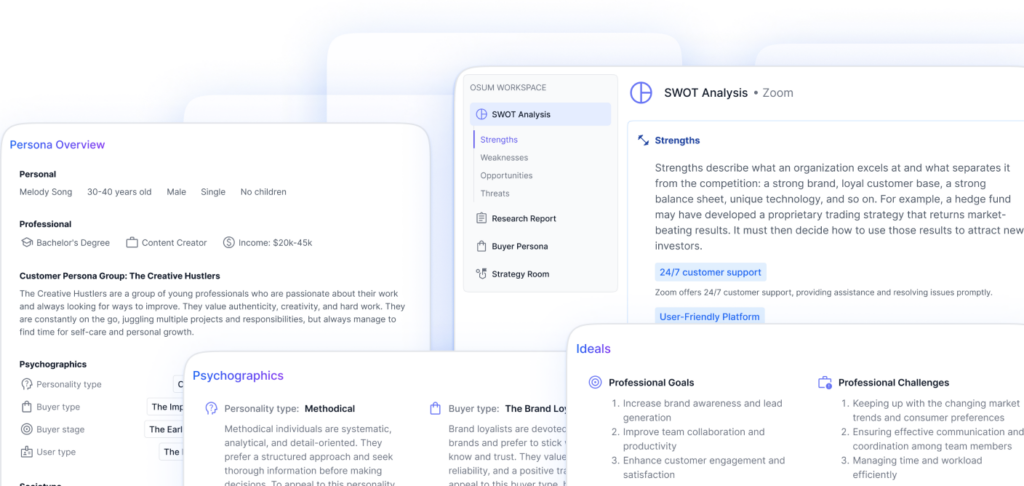
Creating detailed buyer personas is essential for startups as they provide valuable insights into the ideal customer or customers. Buyer personas are fictional representations of your target audience, based on research and data. They help you understand your customers’ needs, preferences, and behaviors, allowing you to tailor your marketing messages and tactics accordingly.
According to Smart Insights, statistics show that using personas can make a website two to five times more effective for targeted users. By defining your buyer personas, you can focus your marketing efforts on the channels and strategies most likely to yield results.
To create effective buyer personas, gather data through customer surveys, interviews, and market research. Identify common demographics, motivations, pain points, and goals among your target audience. This information will help you create more relevant and personalized marketing campaigns that resonate with your ideal customers.
Long-Tail Keywords
For startups, targeting long-tail keywords can be a highly effective strategy. Long-tail keywords are longer and more specific keyword phrases that are less competitive but highly relevant to your target audience. These keywords often have lower search volumes but higher conversion rates, as they attract users who are further along in the buying process and have a clearer intent.
According to Smart Insights, approximately 50% of search queries are four words or longer. By incorporating long-tail keywords into your website content, blog posts, and other marketing materials, you can improve your visibility in search engine results and attract more qualified traffic.
To identify relevant long-tail keywords, conduct keyword research using tools like Google Keyword Planner, SEMrush, or Moz Keyword Explorer. Look for keyword phrases that are specific to your industry or niche and align with your target audience’s search intent. Incorporate these keywords naturally into your content to enhance its visibility and relevance.
By utilizing buyer personas and targeting long-tail keywords, startups can personalize their marketing messages and effectively reach their target audience. These strategies help maximize the impact of your marketing efforts by focusing on the right channels, attracting qualified leads, and increasing the chances of conversion.
Content Marketing for Startup Success
Content marketing is a powerful strategy that can contribute to the success of early-stage startups. It offers affordability and effectiveness in reaching a larger audience compared to traditional advertising methods, making it an excellent choice for startups looking to make an impact (Forbes).
Establishing Thought Leadership
One of the key aspects of content marketing for startups is establishing thought leadership in their respective industries. By consistently creating and sharing valuable content, startups can position themselves as experts and gain credibility and trust from potential customers (Forbes).
To establish thought leadership, startups can focus on creating content that provides insights, industry trends, and solutions to common challenges faced by their target audience. By sharing their expertise and knowledge, startups can build a reputation as trusted advisors, increasing their visibility and attracting a loyal customer base.
Creating High-Quality and Relevant Content
High-quality and relevant content is the foundation of a successful content marketing strategy for startups. It is essential to create content that resonates with the target audience and provides value. By addressing their pain points, answering their questions, or entertaining them, startups can attract and engage their audience, driving traffic and conversions to their website.
When creating content, startups should aim for a balance between educational, informative, and entertaining content. This can include blog articles, videos, infographics, podcasts, or any other format that aligns with the preferences of their target audience. By understanding their audience’s needs and interests, startups can tailor their content to deliver maximum value.
It’s also important for startups to consider search engine optimization (SEO) when creating content. By optimizing their content with relevant keywords, meta tags, and descriptions, startups can improve their visibility in search engine results, driving organic traffic to their website. For more information on SEO, refer to our section on search engine optimization (SEO).
In addition to creating their own content, startups can also leverage user-generated content, such as customer testimonials, reviews, and case studies. This not only adds credibility to their brand but also encourages engagement and participation from their customers.
By focusing on establishing thought leadership and creating high-quality and relevant content, startups can harness the power of content marketing to drive their growth, enhance their brand awareness, and build a loyal customer base. It’s a long-term strategy that lays the foundation for future success and sets startups apart from their competitors.
Social Media Marketing for Startups
Social media marketing plays a crucial role in the success of startups, with more than half of the world’s population actively using social media platforms every day (Smart Insights). It is an essential channel that startups cannot afford to ignore, as it allows them to connect with potential customers and build brand awareness. In this section, we will explore two key aspects of social media marketing for startups: choosing the right platforms and engaging and building relationships with your audience.
Choosing the Right Platforms
When it comes to social media marketing, it’s important for startups to carefully select the platforms that align with their target audience and business objectives (Startup Grind). While there are numerous social media platforms available, not all of them may be relevant for your startup. By identifying your target audience and understanding their preferences, you can focus your efforts on the platforms where your target audience is most active.
To help you make an informed decision, here are some popular social media platforms and their key characteristics:
| Platform | Key Characteristics |
|---|---|
| Broad user base, suitable for various types of businesses | |
| Visual platform, ideal for businesses with appealing visuals | |
| Real-time updates and quick engagement | |
| Professional networking and B2B opportunities | |
| YouTube | Video content sharing and reaching a wide audience |
| Visual discovery and inspiration |
By understanding the unique features and strengths of each platform, you can select the ones that align with your target audience’s preferences and your specific marketing goals.
Engaging and Building Relationships
Once you have established your social media presence, it’s important to actively engage with your audience and build relationships. Social media is not just a one-way communication channel; it’s an opportunity for startups to connect with their customers, gather feedback, and showcase their unique offerings (LinkedIn).
To effectively engage your audience and build relationships, consider the following strategies:
-
Consistent and quality content: Share a variety of content types, such as blog posts, videos, infographics, podcasts, presentations, and motivational images, that resonate with your target audience (Startup Grind). Regularly share valuable content from other sources as well, positioning your startup as a trusted industry resource.
-
Two-way communication: Respond to comments, messages, and mentions promptly. Encourage conversations with your audience by asking questions, seeking feedback, and addressing their concerns. Engage in meaningful discussions that add value to your audience’s experience.
-
Personalization and targeting: Tailor your social media content to your audience’s interests and preferences. Use audience insights and analytics tools available on platforms like Facebook and Twitter to understand your audience better and deliver relevant content.
-
Collaborations and partnerships: Explore opportunities to collaborate with influencers, industry experts, or complementary businesses. These partnerships can help expand your reach and enhance your credibility within your target market.
By actively engaging with your audience and building strong relationships, startups can cultivate a loyal customer base and foster brand advocacy. Remember to track your social media performance using analytics tools provided by the platforms to assess the effectiveness of your strategies and make data-informed decisions for future campaigns.
Social media marketing is just one piece of the larger digital marketing puzzle for startups. To maximize your marketing efforts, consider integrating social media with other channels such as email marketing, search engine marketing, and content marketing. By adopting a holistic approach, startups can create a comprehensive online presence and establish themselves as industry leaders.
Essential Resources for Startup Marketing
When it comes to startup marketing, having access to the right resources can be invaluable in helping your business thrive. Here are two essential resources that can provide valuable insights and ideas for your startup marketing efforts.
HubSpot Blog and Resources
The HubSpot Blog and its extensive collection of resources are must-haves for modern marketers looking to stay ahead of the curve. HubSpot offers a wealth of information on various marketing topics, including customer retention, email marketing, SEO, and sales prospecting.
The blog covers a wide range of marketing strategies, trends, and best practices, providing actionable insights and practical advice. Whether you’re looking to enhance your content marketing efforts, improve your social media strategy, or explore innovative startup growth hacking techniques, the HubSpot Blog has you covered.
In addition to the blog, HubSpot also offers a variety of educational shows and videos on YouTube. These resources provide valuable marketing strategies and skills directly from their experts, allowing you to learn and implement effective marketing techniques for your startup.
The HubSpot Podcast Network is another valuable destination for business professionals seeking education on business growth strategies. Their podcasts cover a wide range of topics, including marketing, sales, and customer success. Listening to these podcasts can provide valuable insights and inspiration for your startup marketing efforts.
Podcasts and YouTube Channels
Apart from HubSpot, there are several other podcasts and YouTube channels that offer valuable resources for startup marketing. These platforms provide actionable tips, expert interviews, and inspiring stories that can help you navigate the ever-changing digital landscape.
One noteworthy podcast is “Next in AI,” which focuses on AI and its intersection with business. This podcast provides essential daily insights for professionals looking to stay informed and leverage AI in their marketing strategies.
Another valuable resource is the “Marketing Against the Grain” series, featuring HubSpot CMO Kipp Bodnar and Zapier CMO Kieran Flanagan. This podcast discusses current marketing trends, strategies, and future insights, offering valuable information for startup marketers looking to innovate.
For visual learners, YouTube channels like HubSpot’s own channel offer educational videos on marketing strategies and skills. These videos provide step-by-step guidance and practical advice from industry experts, helping you develop effective marketing campaigns for your startup.
By utilizing these essential resources, you can stay updated on the latest marketing trends and gain valuable insights into effective strategies for your startup. Whether you prefer reading blog articles, listening to podcasts, or watching videos, these resources will provide the knowledge and inspiration you need to take your startup marketing to the next level.