
Overview of Visa
Introduction to Visa
Visa, the world’s largest retail electronic payment network, plays a crucial role in the global payment industry. With around 2 billion cards in use globally, Visa operates in over 200 countries and territories, making it a global leader in payment processing (IIDE). As a credit card service corporation, Visa facilitates electronic funds transfers, enabling individuals, businesses, and economies to thrive.
Visa’s Mission Statement
Visa’s mission statement is to connect the world through the most innovative, reliable, and secure digital payment network that enables individuals, businesses, and economies to thrive. This mission highlights Visa’s commitment to leveraging technology and innovation to create a seamless and secure payment experience for consumers and businesses alike.
With a focus on reliability and security, Visa aims to provide a digital payment network that connects people globally. By offering innovative solutions and staying at the forefront of technological advancements, Visa strives to meet the evolving needs of consumers and businesses across the globe.
Visa’s mission statement reflects its dedication to being a trusted partner in the payment industry. Through its vast network and commitment to excellence, Visa continues to shape the future of electronic payments, offering convenience, security, and efficiency to individuals and businesses worldwide.
To gain further insights into Visa’s position within the payment industry, it is essential to analyze its strengths, weaknesses, opportunities, and threats. Explore our article on Visa SWOT analysis to delve deeper into these aspects.
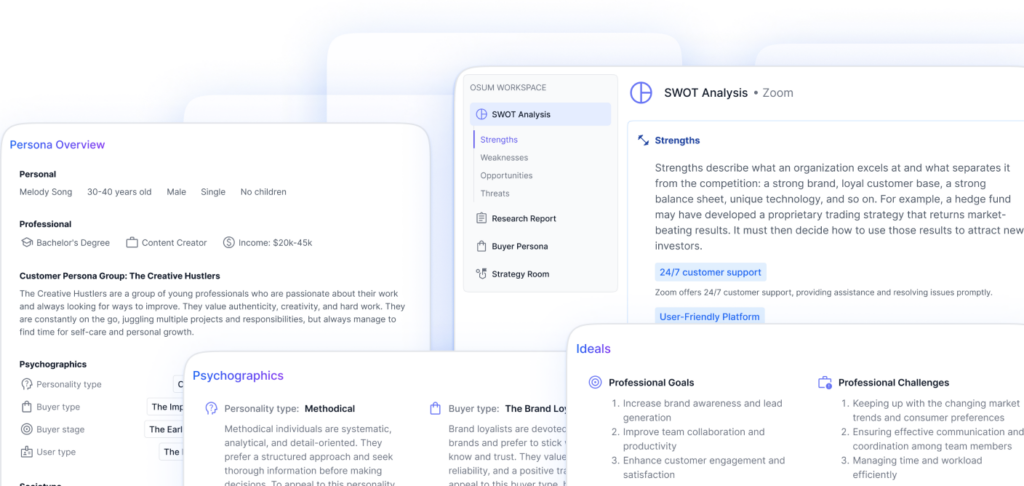
SWOT Analysis of Visa
Analyzing the strengths, weaknesses, opportunities, and threats (SWOT) of Visa provides valuable insights into the credit card service corporation and its position in the industry.
Strengths of Visa
Visa boasts several key strengths that contribute to its market dominance. One of its greatest strengths is its global reach, operating across over 200 countries and territories (IIDE). This extensive presence allows Visa to serve a vast customer base and establish strong partnerships with financial institutions worldwide.
Furthermore, Visa’s collaboration with other financial institutions enables the company to offer a wide range of financial products and services, enhancing its market position. This strategic advantage strengthens Visa’s brand and customer loyalty.
Additionally, Visa is at the forefront of contactless payment technology, which has gained significant traction, especially during the COVID-19 pandemic. As a leader in this technology, Visa stands to benefit from the increased adoption of contactless payments, solidifying its market position.
Weaknesses of Visa
While Visa enjoys a strong market presence, it also faces certain weaknesses. One notable weakness is the constant spate of lawsuits the company deals with regarding antitrust violations, transaction fees, and data security breaches (IIDE). These legal challenges can impact Visa’s reputation and financial performance, requiring continuous legal and regulatory efforts to mitigate potential risks.
Opportunities for Visa
Visa has various opportunities to capitalize on in the evolving payment industry. The growing digital payments market presents a significant opportunity for Visa to expand its digital payment solutions and services. The global shift towards digital payments, particularly after the COVID-19 pandemic, creates a favorable environment for Visa to further enhance its offerings (PESTLE Analysis).
Partnerships with fintech companies offer another avenue for growth and innovation. By collaborating with these emerging players in the financial technology space, Visa can leverage their expertise and technology to develop new solutions and reach new customer segments.
Expanding into new markets is another opportunity for Visa. As the world becomes more interconnected, penetrating emerging markets presents untapped potential for Visa to increase its market share and revenue streams.
Threats to Visa
Visa faces threats from various sources within the payment industry. Increasing competition from other payment processors such as Square, PayPal, and Apple Pay poses a challenge to Visa’s market dominance. These competitors are continually innovating and capturing market share, which necessitates Visa’s continuous efforts to stay ahead (PESTLE Analysis).
Furthermore, the rise of cryptocurrencies and blockchain technology also presents a threat to traditional payment processors like Visa. As these technologies gain traction, they have the potential to disrupt the traditional payment ecosystem and change consumer preferences.
Changing consumer preferences towards alternative payment methods can impact Visa’s market share and dominance. The company must adapt to evolving trends and ensure it remains at the forefront of customer needs and expectations.
By understanding its strengths, weaknesses, opportunities, and threats, Visa can strategize effectively, capitalize on its strengths, and address potential challenges to maintain its position as a leading credit card service corporation in the industry.
Financial Performance of Visa
When examining the financial performance of Visa, it’s important to consider various aspects, including the company’s shareholders, CEO ownership, revenue streams, and global presence.
Shareholders of Visa
Visa has a diverse range of shareholders, including investment firms and institutional investors. As of 2021, some of Visa’s largest shareholders include BlackRock and Vanguard, each owning over 7% of the company’s outstanding shares (PitchGrade). This diverse ownership structure reflects the widespread interest in Visa as a leading credit card service corporation.
CEO Ownership of Visa
Visa’s CEO, Al Kelly, has a significant personal stake in the company’s success. Kelly owns over 350,000 shares of Visa, which has a market value of over $100 million. With such a substantial ownership stake, Kelly is incentivized to lead the company towards continued growth and profitability.
Revenue Streams of Visa
Visa generates revenue through various sources within the payment industry. The primary revenue streams for Visa include transaction fees, annual fees from member financial institutions, data analytics and consulting services, as well as advertising and sponsorship activities (PitchGrade). These diverse revenue streams contribute to Visa’s financial stability and growth.
Global Presence of Visa
Visa operates on a global scale, providing payment processing services to businesses and consumers in over 200 countries and territories. This extensive global presence has established Visa as a leader in the payment industry (PitchGrade). By leveraging its vast network, Visa facilitates secure and efficient electronic transactions worldwide, contributing to its financial success and brand recognition.
To further explore the industry analysis, opportunities, threats, and competition faced by Visa, you can refer to our articles on Visa Industry Analysis, Opportunities for Visa, Threats to Visa, and Visa Competitive Analysis. These resources provide a comprehensive understanding of Visa’s position in the market and its financial performance within the payment industry.
Visa’s Role in the Payment Industry
Visa, being the world’s largest retail electronic payment network with approximately 2 billion cards in use globally, plays a pivotal role in the payment industry. To understand its position and impact, let’s explore Visa’s market capitalization, revenues and transactions, and the competition it faces within the payment industry.
Visa’s Market Capitalization
As of September 2021, Visa’s market capitalization stood at an impressive $464 billion, surpassing its competitors such as Mastercard and American Express (PESTLE Analysis). Visa’s market cap is four times higher than that of American Express and one and a half times higher than Mastercard. This substantial market capitalization demonstrates Visa’s strength and leadership in the payment industry.
Revenues and Transactions of Visa
Visa’s financial performance is reflected in its revenues and transactions. In the last quarter of 2021, Visa reported revenues of $7 billion, representing a notable 32% increase compared to the previous year (PESTLE Analysis). This growth highlights Visa’s ability to generate significant revenue within the payment industry.
Furthermore, Visa processed a staggering 49.8 billion transactions globally in the same quarter, marking a substantial 19% increase from the previous year. This high volume of transactions demonstrates the widespread usage and trust placed in Visa’s payment network.
Competition in the Payment Industry
Despite Visa’s dominant position in the payment industry, it faces competition from other players. Notable competitors include Mastercard, American Express, and various emerging fintech companies. These competitors strive to capture a share of the payment market and offer innovative solutions to meet the evolving needs of consumers.
Mastercard, Visa’s closest competitor, operates on a similar scale and offers a wide range of payment solutions. American Express, although smaller in market capitalization compared to Visa, distinguishes itself by targeting a more affluent customer base.
Fintech companies are also emerging as formidable competitors, leveraging technology and digital platforms to disrupt the traditional payment landscape. These companies often provide innovative payment solutions and capitalize on changing consumer preferences.
In this highly competitive payment industry, Visa’s market leadership, extensive global reach, and partnerships with financial institutions have contributed to its continued success (IIDE). However, it’s important for Visa to remain vigilant and adaptive to the evolving landscape to maintain its competitive edge.
Visa’s market capitalization, impressive revenues, and volume of transactions illustrate its significance and strength within the payment industry. As competition intensifies, Visa will need to continue innovating and collaborating with partners to stay at the forefront of the industry.
Visa’s Initiatives and Partnerships
Visa, as a leading credit card service corporation, has implemented various initiatives and partnerships to stay at the forefront of the payment industry. These strategies are designed to capitalize on digital payment market opportunities and foster engagement with fintechs.
Visa’s Long-Term Strategies
Visa’s long-term strategies focus on driving innovation and expanding its presence in the rapidly evolving digital payment landscape. The company recognizes the importance of embracing technological advancements to meet the changing needs of consumers and businesses.
By leveraging its extensive network and resources, Visa aims to enhance the payment experience, promote financial inclusion, and facilitate seamless transactions worldwide. These strategies position Visa as a key player in the future of digital payments.
Digital Payments Market Opportunities
Visa actively identifies and capitalizes on digital payment market opportunities. The company understands the growing demand for secure and convenient payment solutions in the digital realm. By investing in technology and partnerships, Visa aims to provide innovative payment options that cater to the evolving needs of consumers and businesses.
Visa’s initiatives involve exploring emerging technologies, such as contactless payments, mobile wallets, and biometric authentication, to deliver enhanced customer experiences. Through these efforts, Visa aims to simplify and accelerate the payment process while maintaining the highest standards of security.
Visa’s Engagement with Fintechs
Visa recognizes the importance of collaboration with fintechs to drive innovation and foster growth in the payment industry. To facilitate this engagement, Visa has launched the Fintech Fast Track program, which provides early-stage fintechs with the resources and support they need to thrive in the industry.
The program offers partners access to Visa’s real-time money movement platform, Visa Direct, beyond card issuance. This enables transfers to cards, bank accounts, and wallets globally, expanding the possibilities for fintechs to create innovative payment solutions (Visa Press Release).
Through the Fintech Fast Track program, fintech partners can also benefit from Visa Consulting & Analytics, receiving assistance on one project to drive their business forward. Additionally, partners gain access to valuable resources, including up to $100,000 worth of Amazon Web Services (AWS) Activate credits for cloud consumption, business support, and personalized content and offers (Visa Press Release).
Visa’s commitment to supporting fintech growth is evident in the 42 new clients signed to the Fintech Fast Track program in North America over the past year. By providing resources, expertise, and opportunities for collaboration, Visa empowers fintechs to address challenges and drive innovation in the payment ecosystem.
By embracing long-term strategies, seizing digital payment market opportunities, and engaging with fintechs, Visa continues to solidify its position as a leader in the payment industry. Through these initiatives and partnerships, Visa remains at the forefront of innovation, delivering secure, convenient, and seamless payment solutions to consumers and businesses worldwide.
Visa and Small Businesses
Visa recognizes the importance of small and micro businesses as key drivers of economic growth and innovation. With a commitment to supporting the success of these businesses, Visa has taken several initiatives and provided valuable support. Let’s explore some of the ways Visa is dedicated to empowering small and micro businesses.
Visa Foundation’s Commitment
In 2020, the Visa Foundation announced a five-year, $200 million commitment to support the establishment and growth of small and micro businesses, with a particular focus on women entrepreneurs. This commitment reflects Visa’s long-term commitment to fostering economic empowerment and inclusivity.
Through partnerships with organizations that provide capital, capacity building, and support services, the Visa Foundation aims to enable the flow of investment capital to gender-diverse small and micro businesses. By addressing the specific challenges faced by these businesses, Visa aims to create an enabling environment for their growth and success.
Insights from the Global Back to Business Study
Visa has conducted the Global Back to Business Study, which provides valuable insights into the priorities and trends of small businesses and consumers in various markets, including Australia, Brazil, Canada, Germany, Hong Kong, Ireland, New Zealand, Singapore, the UAE, and the US (Visa Press Release). This study helps Visa gain a deeper understanding of the needs and preferences of small businesses, allowing them to tailor their initiatives and support accordingly.
The study revealed that small and micro businesses are planning to prioritize cross-border sales for growth, indicating a shift towards global expansion beyond local markets. Additionally, a growing number of consumers are embracing cashless transactions, with nearly 60% of surveyed shoppers predicting increased use of digital payments in the coming year. These insights enable Visa to align its offerings and solutions with the evolving needs of small businesses and consumers.
Visa’s Support for Small and Micro Businesses
Visa offers a range of support programs and resources to empower small and micro businesses. These initiatives aim to address the unique challenges faced by these businesses and help them thrive in an increasingly digital and competitive landscape.
Visa’s support for small and micro businesses includes:
-
Business Education and Training: Visa provides educational resources, training programs, and workshops to equip small and micro businesses with the knowledge and skills needed to succeed in today’s market. These resources cover various topics, including financial management, marketing strategies, and digital transformation.
-
Digital Payment Solutions: Visa offers secure and convenient digital payment solutions that enable small and micro businesses to accept payments from customers seamlessly. These solutions include contactless payments, mobile payment options, and online payment gateways, allowing businesses to cater to the changing preferences of consumers.
-
Networking and Collaboration Opportunities: Visa facilitates networking and collaboration opportunities for small and micro businesses through events, conferences, and partnerships. By connecting businesses with industry experts, mentors, and potential partners, Visa helps foster meaningful connections and collaborations that can drive growth and innovation.
Visa’s commitment to supporting small and micro businesses is rooted in its belief that when these businesses thrive, economies thrive. By providing the necessary resources, insights, and support, Visa aims to empower small and micro businesses to navigate challenges, seize opportunities, and unlock their full potential in the global marketplace.
Visa’s Strengths and Vulnerabilities
When analyzing the strengths and vulnerabilities of Visa, the world’s largest retail electronic payment network, it is important to consider its global reach, lawsuits and regulatory concerns, and its leadership in contactless payments and technology.
Visa’s Global Reach
Visa’s global reach is a significant strength, with the company operating in over 200 countries and territories. According to IIDE, Visa has approximately 2 billion cards in use globally. This extensive network allows Visa to facilitate transactions and provide payment solutions to a vast customer base, making it a dominant player in the credit card service industry.
Lawsuits and Regulatory Concerns
Despite its strengths, Visa faces vulnerabilities in the form of ongoing lawsuits and regulatory concerns. The company deals with various legal challenges, including antitrust violations, transaction fees, and data security breaches. These lawsuits pose a risk to Visa’s reputation and may result in financial penalties and legal repercussions. It is imperative for Visa to address these concerns and navigate the legal landscape to maintain its position in the market.
Contactless Payments and Technology Leadership
An area where Visa demonstrates strength is in its leadership in contactless payments and technology. The increased adoption of contactless payments, especially during the COVID-19 pandemic, has worked in Visa’s favor. Visa is at the forefront of this technology and stands to benefit from the shift in consumer behavior towards contactless transactions. By leveraging its technological expertise, Visa can continue to drive innovation in the payment industry and maintain its competitive edge.
Understanding the strengths and vulnerabilities of Visa is crucial for comprehending its position in the market. While the company enjoys global reach and leadership in technological advancements, it must also address legal challenges and regulatory concerns to ensure sustained success in the credit card service industry.
Visa’s Fast Track Program
Visa recognizes the importance of fostering innovation and supporting the growth of fintechs in the payments industry. To facilitate this, Visa has implemented the Fast Track program, which provides resources and benefits to program partners, enabling them to leverage Visa’s expertise and network. Let’s explore the enhancements made to the North America Fintech Fast Track program, the resources and benefits available to program partners, and the success of the Fast Track program.
Enhancements to the North America Fintech Fast Track Program
Visa has recently enhanced the North America Fintech Fast Track program to further connect early-stage fintechs with Visa’s real-time money movement platform, Visa Direct. This expansion goes beyond card issuance and allows fintechs to facilitate transfers to cards, bank accounts, and wallets globally. By leveraging Visa Direct, fintechs can provide their customers with fast, secure, and convenient payment solutions, enabling seamless money transfers across various channels.
Resources and Benefits for Program Partners
Through the Fast Track program, Visa offers resources and benefits to program partners, empowering them to accelerate their growth and maximize their potential. Partners have access to various resources from Visa’s menu of options, allowing them to choose the support that aligns with their specific needs. Additionally, program partners have the opportunity to engage with Visa’s Consulting & Analytics team on one project, gaining valuable insights and guidance to optimize their business strategies.
As part of the program benefits, program partners also receive up to $100,000 worth of Amazon Web Services (AWS) Activate credits. These credits can be used for cloud consumption, business support, and access to personalized content and offers. This support from AWS enables program partners to leverage cloud infrastructure and services, helping them scale their operations efficiently.
Success of the Fast Track Program
The Fast Track program has been instrumental in driving the growth of fintechs in the payments industry. Over the past year, Visa has welcomed 42 new clients to the Fintech Fast Track program in North America alone, demonstrating their commitment to supporting the fintech ecosystem. By providing fintechs with the necessary resources, guidance, and access to Visa’s extensive network, the Fast Track program has empowered these companies to develop innovative solutions, address industry challenges, and drive growth within the payment ecosystem.
Visa Direct, incorporated into the expanded Fast Track program, plays a crucial role in enabling multiple payment use cases. With a network reach of over 8.5 billion endpoints, including cards, accounts, and digital wallets, Visa Direct supports person-to-person payments, account-to-account transfers, business and government payouts, merchant settlements and refunds, and more. This extensive reach and comprehensive payment capabilities make Visa Direct a powerful tool for fintechs looking to offer fast and secure payment solutions to their customers.
The success of the Fast Track program is evident in the growing number of fintechs leveraging its resources. These fintechs are driving innovation, addressing industry gaps, and catering to specific groups and communities, thereby contributing to the overall growth of Visa and the payment ecosystem.
By continuously enhancing the Fast Track program and providing valuable resources and benefits, Visa reaffirms its commitment to supporting fintechs and fostering innovation in the payments industry.
Visa Direct and Payment Use Cases
Visa Direct, incorporated into the expanded Fast Track program, plays a pivotal role in facilitating various payment use cases. It offers a range of options for seamless transactions, making it a valuable tool in the payment ecosystem. Let’s explore the multiple payment use cases supported by Visa Direct, its extensive reach and network, and its contribution to the growth of fintechs in the payment industry.
Multiple Payment Use Cases Supported by Visa Direct
Visa Direct enables a wide range of payment use cases, catering to diverse needs in the digital era. Incorporated into the expanded Fast Track program, Visa Direct supports the following payment scenarios:
-
Person-to-Person Payments: Visa Direct allows individuals to send and receive money quickly and securely. Whether it’s splitting expenses with friends, paying back a family member, or sending money internationally, Visa Direct facilitates seamless person-to-person payments.
-
Account-to-Account Transfers: With Visa Direct, users can transfer funds between their accounts, making it convenient for managing finances and conducting transactions between different financial institutions.
-
Business and Government Payouts: Visa Direct simplifies the process of disbursing funds to businesses and government entities. It enables quick and efficient payouts, such as employee salaries, gig economy earnings, insurance claims, and government benefits.
-
Merchant Settlements and Refunds: Visa Direct streamlines the settlement process for merchants, allowing them to receive payments quickly. It also facilitates efficient refunds, enhancing customer satisfaction and improving overall transaction experiences.
The versatility of Visa Direct supports a wide range of payment scenarios, empowering individuals, businesses, and organizations to transact securely and conveniently.
Reach and Network of Visa Direct
Visa Direct boasts an extensive reach and network, making it accessible to millions of users worldwide. With over 8.5 billion endpoints, including cards, accounts, and digital wallets, Visa Direct ensures that users can send and receive payments seamlessly across various platforms and channels.
This broad reach and network enable Visa Direct to connect users globally, facilitating cross-border payments and contributing to the growth of international commerce. By leveraging Visa’s vast network, Visa Direct expands payment possibilities and promotes financial inclusion on a global scale.
Fintechs and Growth in the Payment Ecosystem
The expanded Fast Track program, which incorporates Visa Direct, serves as a catalyst for growth within the fintech industry. Fintechs leveraging the resources offered through the program can address challenges and design innovative tools to bridge gaps in the payment ecosystem.
By partnering with Visa, fintech startups gain access to Visa’s expertise, technology, and network. This collaboration fosters the development of cutting-edge payment solutions tailored to specific groups, professions, and online communities. The generation of fintechs leveraging resources through the Fast Track program contributes to the overall growth and advancement of the payment industry.
Visa Direct’s support for multiple payment use cases, its extensive reach and network, and its role in empowering fintechs highlight its importance in the evolving landscape of digital payments. As Visa continues to innovate and collaborate, Visa Direct will play a pivotal role in shaping the future of seamless, secure, and convenient transactions.