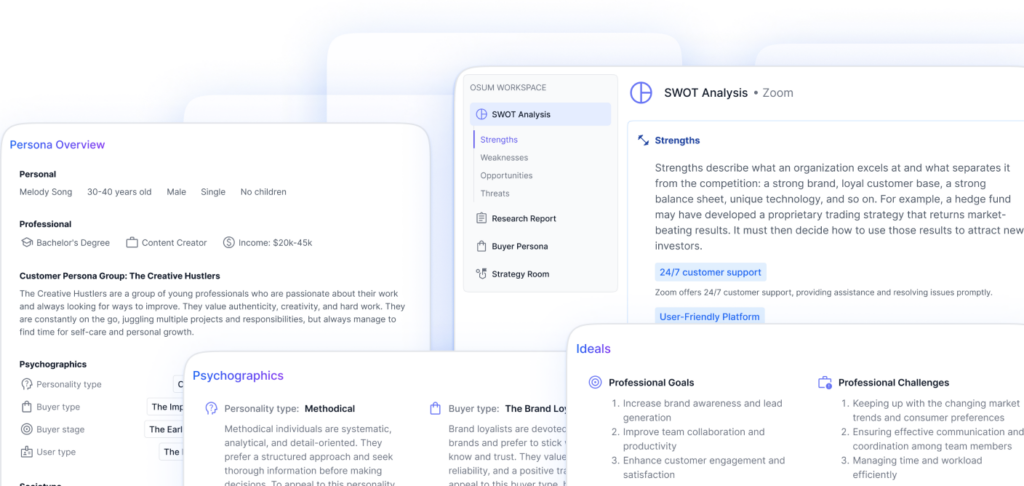

Understanding Your Target Audience
In the realm of independent schools, employing effective marketing strategies is crucial for attracting and enrolling students who align with your institution’s values. To achieve this, it is essential to understand your target audience through thorough research and uncover their needs and preferences.
Importance of Target Audience Research
Conducting comprehensive target audience research plays a pivotal role in the success of your marketing efforts. By delving into the characteristics, behaviors, and motivations of potential students and parents, you can tailor your marketing messages to resonate with their specific needs and aspirations. This, in turn, increases the likelihood of attracting and engaging the right audience.
Thorough market research allows you to gain valuable insights into the demographics, geographic distribution, and psychographic profiles of your target audience. It helps you understand their preferences, such as academic programs, extracurricular activities, and educational philosophies. Armed with this knowledge, you can create targeted marketing campaigns that effectively communicate the unique value and benefits your school offers.
According to Cube Creative Design, understanding your target audience not only aids in increasing enrollment but also fosters a school community that is aligned with your institution’s values. By attracting students and parents who share your school’s ethos and goals, you can create a vibrant and cohesive learning environment.
Unraveling Needs and Preferences
To effectively market your independent school, it is essential to unravel the needs and preferences of your target audience. By doing so, you can tailor your messaging, programs, and offerings to meet their expectations and aspirations.
Market research can provide insights into the educational priorities of parents and students. It can help you understand what aspects of your school’s curriculum, teaching methods, and extracurricular activities are most valued by your target audience. For example, you may discover that parents prioritize rigorous academic programs, individualized attention, or a strong focus on arts and athletics.
Additionally, research can shed light on the communication channels preferred by your target audience. This knowledge allows you to reach and engage them effectively. For instance, you may find that parents prefer to receive updates and information through email newsletters, social media platforms, or in-person events.
By aligning your marketing efforts with the needs and preferences of your target audience, you can position your school as the ideal choice for prospective students and parents. This targeted approach increases the likelihood of attracting families who are genuinely interested in what your school has to offer.
Remember, marketing strategies for independent schools encompass various aspects, including branding, enrollment marketing, digital marketing, and content marketing. Understanding your target audience is a foundational step that informs all these strategies, ensuring they are effective and resonate with the right audience.
Optimizing Your School Website
In the digital age, a school’s website serves as a crucial marketing tool to attract prospective families and engage with the community. Optimizing your school website can significantly impact your marketing efforts and drive conversions. Two key aspects of website optimization for independent schools are mobile-friendly design and clear calls-to-action.
Mobile-Friendly Design
Building an optimal website with a mobile-friendly design is essential in today’s smartphone-dominated world. A mobile-friendly website ensures that visitors can easily navigate and access information on any device, be it a desktop computer, tablet, or mobile phone. According to Cube Creative Design, a visually appealing layout and mobile responsiveness can greatly boost engagement and conversions.
To achieve a mobile-friendly design, consider the following:
- Utilize responsive web design techniques to ensure that your website automatically adjusts and adapts to different screen sizes.
- Optimize images and other media elements to enhance loading speed without compromising quality.
- Simplify navigation and ensure that menus and buttons are easily clickable on mobile devices.
- Make sure that text and content are legible on smaller screens by using appropriate font sizes and spacing.
By prioritizing mobile-friendly design, you can provide a seamless user experience for all visitors, regardless of the device they use to access your school’s website.
Clear Calls-to-Action
Clear calls-to-action (CTAs) are essential for guiding visitors towards their desired actions on your school’s website. Whether it’s submitting an inquiry form, scheduling a campus tour, or requesting more information, effective CTAs encourage engagement and drive conversions.
Here are some best practices for creating clear calls-to-action:
- Use visually prominent buttons or links that stand out from the rest of the content.
- Make sure the language used in the CTAs is concise, action-oriented, and compelling.
- Place CTAs strategically throughout your website, especially on pages where visitors are more likely to convert, such as the admissions or contact page.
- Provide a sense of urgency or exclusivity in your CTAs to encourage immediate action.
- Consider using contrasting colors for your CTAs to make them visually distinct.
By implementing clear and compelling calls-to-action, you can guide visitors towards the desired actions and improve conversion rates on your school’s website.
Optimizing your school’s website is just one piece of the comprehensive marketing puzzle for independent schools. To learn more about effective marketing strategies, you may also want to explore other related topics such as branding strategies for independent schools, enrollment marketing for independent schools, digital marketing for independent schools, and content marketing for independent schools.
Leveraging Social Media Marketing
In the digital age, social media has become a powerful tool for marketing independent schools. By leveraging social media platforms, schools can enhance their visibility, attract more inquiries and applications, and connect with their target audience. Two key strategies for effective social media marketing are incorporating authentic visual content and utilizing paid advertising strategies.
Authentic Visual Content
Parents often turn to social media channels to gain an authentic look at a school. By sharing photos and videos showcasing the school’s day-to-day activities, classes, contests, dorms, and more, parents can get a glimpse of what their child’s experience might be like. Visual formats, such as images, videos, and Instagram Highlights, can make social media marketing for independent schools more engaging and compelling (source).
Different social media platforms have varying strengths when it comes to visual content:
-
Facebook is a great platform for building a school’s reputation, keeping families informed, and driving traffic to the school’s website for more information or other actions. It is recommended to adopt a slightly more formal style than Instagram, Snapchat, or TikTok, while still maintaining a sense of authenticity. Limiting the use of hashtags and emojis on Facebook is generally advised (Metric Marketing).
-
Instagram is an ideal platform for sharing the culture and human side of schools, providing a visual snapshot of school life and building the school’s brand and following through the use of relevant hashtags. Younger audiences tend to engage more with Instagram Stories and Reels, while older audiences are more likely to engage with Feed posts (Metric Marketing).
-
Snapchat is best suited for schools that have a compelling story to tell and want to create demand for content. Content on Snapchat can only be viewed once, making it essential to have captivating and authentic content that captures the unique moments of student life (Metric Marketing).
-
TikTok is an excellent platform for creating engaging, organic hype for a school, especially when targeting current and prospective high school and middle school students. Schools are advised to stay trendy, create and share short, entertaining videos, and keep up with current trends in a youthful and authentic manner (Metric Marketing).
Paid Advertising Strategies
In addition to organic content, independent schools can also utilize paid advertising strategies on social media platforms to reach a wider audience and drive specific actions. Paid advertising allows schools to target specific demographics, geographic locations, and interests, ensuring that their message reaches the right individuals.
Platforms like Facebook and Instagram offer robust advertising options, including boosted posts, carousel ads, and targeted campaigns. These advertising strategies can help schools increase brand awareness, promote open houses or virtual tours, and drive traffic to specific landing pages on their website. Additionally, the use of tracking metrics allows schools to measure the effectiveness of their campaigns and make data-driven decisions to optimize their advertising efforts (Cube Creative Design).
By leveraging social media marketing, independent schools can showcase their unique qualities, engage with their target audience, and build a strong online presence. By incorporating authentic visual content and utilizing paid advertising strategies, schools can maximize their reach, attract prospective families, and ultimately achieve their marketing goals.
Word-of-Mouth Advertising
In the realm of marketing strategies for independent schools, word-of-mouth advertising remains an invaluable asset. Encouraging community advocacy and harnessing the power of satisfied stakeholders can have a significant influence on enrollment and overall school reputation.
Encouraging Community Advocacy
One of the most effective ways to leverage word-of-mouth advertising is by encouraging your school community to actively advocate for your institution. When satisfied parents, students, and alumni speak positively about their experiences, it can generate increased inquiries and interest from prospective parents.
To encourage community advocacy, it’s important to foster strong relationships with your stakeholders. Engage with parents and students, listen to their feedback, and address any concerns promptly. By providing exceptional educational experiences and maintaining open lines of communication, you create a positive environment that encourages community members to share their positive experiences with others.
Additionally, consider implementing referral programs that reward current families for referring new families to the school. Offering incentives such as tuition credits, discounts, or other rewards can motivate your existing community to actively advocate for your school.
Influence on Enrollment
Word-of-mouth advertising plays a crucial role in influencing enrollment numbers for independent schools. Positive recommendations and testimonials from satisfied parents and students can significantly impact the decision-making process of prospective parents.
According to Cube Creative Design, understanding your target audience and conducting thorough market research helps unravel the needs and preferences of potential students and parents. By aligning your marketing efforts with these insights, you can create messaging that resonates with your target audience and increases the likelihood of positive word-of-mouth referrals.
It’s important to note that word-of-mouth advertising is not limited to in-person interactions. With the rise of digital platforms and social media, parents and students can share their experiences and recommendations online. Therefore, fostering a strong online presence and encouraging your community to engage with your school’s social media channels can amplify the impact of word-of-mouth advertising.
By recognizing the value of community advocacy and nurturing positive relationships with your stakeholders, you can harness the power of word-of-mouth advertising to attract new families and enhance the reputation of your independent school. Remember, the experiences and recommendations of your satisfied community members can be a powerful marketing tool that sets your school apart from the competition.
Building a Strong School Community
Creating a strong and engaged school community is a vital aspect of successful marketing strategies for independent schools. A supportive and collaborative community not only fosters a positive environment for students but also plays a crucial role in attracting and retaining families. Let’s explore two key elements of building a strong school community: support, advocacy, and collaborative communities, as well as the use of digital platforms for community management.
Support, Advocacy, and Collaborative Communities
School communities can be categorized into three types: support communities, advocacy communities, and collaborative communities. Each type has its own traits and objectives, and the digital platform used to manage the community should align with these objectives (Classlist).
Support communities focus on providing assistance and resources to parents and students. These communities often involve peer support networks, where parents can seek advice, share experiences, and offer help to one another. The platform used for support communities should facilitate easy communication and offer features such as discussion boards, group messaging, and event calendars, allowing parents to connect and support each other through their shared experiences.
Advocacy communities are centered around promoting the school and its values. These communities aim to empower parents and turn them into brand advocates. An effective advocacy community platform should offer features such as interest groups, event management, volunteer signup, and analytics to identify active advocates and influencers within the community. Recognizing and empowering these advocates can lead to a reduction in customer acquisition costs and increased parent loyalty.
Collaborative communities are most relevant to schools with a strong brand and reputation. These communities focus on fostering collaboration among parents, sharing resources, and engaging in school-related tasks. A collaborative community can lead to increased parent satisfaction, fundraising efforts, and the extension of the school’s network.
Digital Platforms for Community Management
Digital platforms play a vital role in managing and nurturing school communities. These platforms provide a centralized space for communication, collaboration, and organization. When selecting a digital platform, it’s important to consider the specific needs and objectives of the community.
There are various digital platforms available that cater to different community types. For support communities, platforms with robust messaging capabilities, discussion forums, and event management features can facilitate effective communication and engagement. Advocacy communities benefit from platforms that offer analytics and reporting tools, allowing schools to identify and recognize active advocates. Collaborative communities thrive on platforms that provide document sharing, project management, and event coordination features.
By leveraging digital platforms tailored to the community’s needs, schools can foster a sense of belonging, encourage collaboration, and strengthen relationships among parents, students, and staff. These platforms enable efficient communication, streamline community management, and enhance the overall school experience.
Building a strong school community is an essential component of marketing strategies for independent schools. By fostering support, advocacy, and collaborative communities, schools can create an environment where parents feel connected and engaged. Utilizing digital platforms that align with the community’s objectives further enhances community management and strengthens the relationships within the school community.
Innovative Marketing Strategies
To stay ahead in the competitive landscape, independent schools need to continuously innovate their marketing strategies and adapt to the evolving digital landscape. In this section, we will explore two innovative approaches that can help independent schools engage with their audience and provide personalized experiences through digital platforms.
Engaging Audience Online
Engaging with the audience online is a crucial aspect of modern marketing strategies for independent schools. Schools can leverage various digital platforms, including social media, email marketing, and content marketing, to foster meaningful connections with their target audience.
Social media platforms, such as Facebook, Instagram, and LinkedIn, provide the opportunity to showcase the unique aspects of the school, share success stories, and engage with the community in real-time. By creating and sharing authentic and relevant content, schools can build a strong online presence that resonates with their audience. This can include highlighting student achievements, faculty expertise, and community events.
Email marketing is another effective tool for engaging with the audience. Schools can nurture relationships by sending personalized communications tailored to the interests and needs of prospective students and their families. This can include targeted emails about specific programs, campus updates, and personalized invitations to events.
Content marketing, including blog articles, videos, and podcasts, allows schools to provide valuable and informative content to their audience. By addressing topics relevant to parents, students, and the community, schools can position themselves as thought leaders and go-to resources in the education space. Creating a content marketing strategy that aligns with the target audience’s interests and needs can help drive engagement and boost brand awareness.
Personalized Experiences through Digital Platforms
Providing personalized experiences is a key component of effective marketing strategies for independent schools. By leveraging digital platforms, schools can tailor their interactions with prospective families and provide a seamless and customized enrollment journey.
Through social ads, nurture campaigns, email workflows, and targeted digital ads, schools can create personalized touchpoints at each stage of the enrollment process. This includes delivering relevant content, addressing specific concerns, and showcasing the unique selling points of the school. By understanding the needs and preferences of their target audience, schools can create personalized messaging and offers that resonate with prospective families.
Digital platforms also allow schools to streamline and simplify the enrollment process. By offering branded and user-friendly inquiry forms, online applications, and personalized communications, schools can provide a seamless experience that sets them apart from competitors. Schools can take inspiration from institutions like Wilbraham and Monson Academy, which prioritize personalized enrollment experiences to differentiate themselves in the admissions journey.
In conclusion, independent schools can enhance their marketing strategies by engaging with their audience online and providing personalized experiences through digital platforms. By leveraging social media, email marketing, and content marketing, schools can foster connections and establish their brand presence. Additionally, by utilizing personalized touchpoints and streamlining the enrollment process, schools can create a memorable experience for prospective families. By continuously innovating and adapting to the digital landscape, independent schools can effectively market themselves and attract the right students and families.